

 Gas fireplace service
 Sweep & inspection
 Caps & crowns
 Flue relining
 Masonry repair
Level 1 sweep and inspection to the NFPA 211 annual standard - flue, crown, cap, and flashing checked and photographed
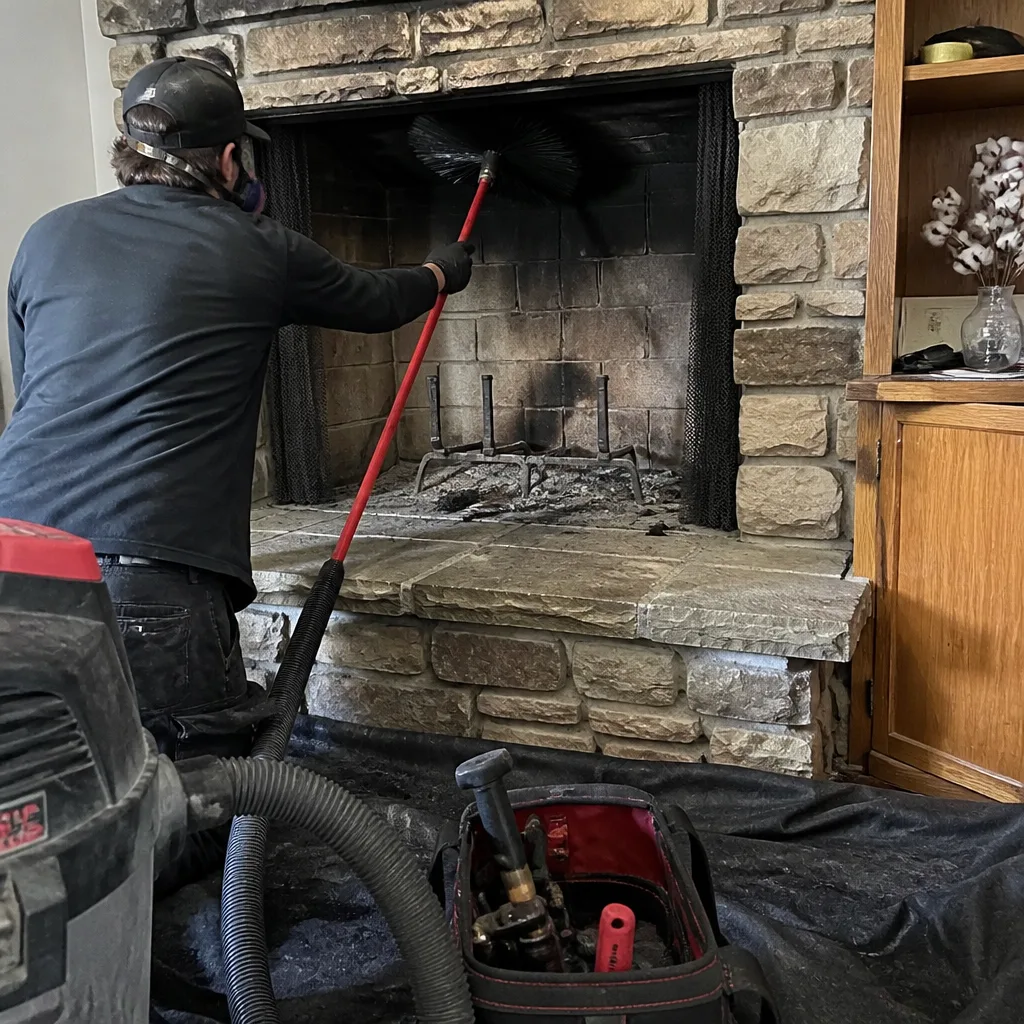
Chimney sweep logs do not sweep chimneys. They loosen some creosote - which then falls where a brush and vacuum still have to collect it.
Why Fayetteville Homeowners Choose HeatShield Chimney Cleaning
We provide independent HeatShield chimney cleaning and resurfacing service in Fayetteville, NC. What sets our HeatShield work apart is the diagnosis behind it: we scope, prep and cure the product to the manufacturer’s published application steps, and we tell you honestly when a flue qualifies for resurfacing and when it needs a reline instead. We’re an independent HeatShield service provider with no affiliation, authorization or endorsement from the manufacturer, and we say so plainly.
Fayetteville’s chimney stock shapes the work here. Much of the housing around Fort Bragg’s off-post sprawl is post-1950 ranches, split-levels and builder-grade two-story subdivisions out toward Hope Mills and Spring Lake, paired with older brick and wood-frame homes in Haymount and downtown. Most of those chimneys carry original masonry fireplaces with clay tile liners, and after decades of Carolina sun and rain the exterior brick tells the story: spalling faces, cracked crowns, washed-out mortar. Resurfacing is one answer for the inside of a flue. It’s rarely the whole answer for the chimney.
Call (855) 608-7738 for a free estimate. We answer 24/7. Fast dispatch from 7am to 7pm, Sunday through Friday.
Why Trust Delmar Chimney Sweep for Your HeatShield Chimney Cleaning?
Our technicians have up to experience, and a good share of that time has been spent inside flues that already carry a HeatShield coat. That matters more than it sounds. HeatShield’s Cerfractory materials behave differently depending on what’s underneath them, and reading the existing surface before touching it is where most of the skill sits. We recognize the difference between a coat that failed because of prep and a coat that failed because of water coming in from above. Those two problems get different fixes.
On parts, our position is simple: we specify genuine HeatShield Cerfractory materials for resurfacing work. Knockoff refractory coatings cure brittle and chalk off within a few seasons, and the labor to redo the job costs far more than the difference in material. We don’t claim to stock or carry OEM HeatShield parts, and we’re not a HeatShield dealer. We’re an independent shop that installs and services the product correctly.
Warranty-safe practice comes down to documentation. We record what the flue looked like before we started, what we found at the tile joints, and what we applied. If a manufacturer question ever comes up, you have a record rather than a memory. That’s also why every resurfacing job in Fayetteville starts with a Level 2 inspection rather than a visual glance with a flashlight.
Styles & brands we work with
- Sweep & inspection
- Caps & crowns
- Flue relining
- Masonry repair
- Gas fireplace service
Common HeatShield Chimney Cleaning Problems We Fix in Fayetteville
HeatShield is a flue resurfacing product, so the problems we see are resurfacing problems. Here are the five that come up most often in Fayetteville, and what’s usually behind each one.
- An earlier HeatShield coat delaminating and flaking off. The coating went on over soot or glazed creosote instead of bare masonry, so it bonded to the deposit rather than the tile. The deposit lets go, and the refractory surface comes down with it. Prep is the whole job on a resurface, and shortcuts show up a season or two later.
- Cerfractory applied over heavy glazed stage 3 creosote. Glazed creosote is hard, shiny and slick. Coating bonds cannot form on it, and the new surface peels in sheets rather than wearing evenly. Any flue in that condition needs a proper sweep and degrease to bare masonry before resurfacing is even on the table.
- A coating hiding a shifted or cracked tile joint. HeatShield fills and smooths, but it doesn’t put a displaced liner tile back where it belongs. If the underlying gap stays open, smoke migrates behind the liner and the problem returns through a different door. This is the failure we look hardest for during inspection.
- Crown and flashing leaks re-wetting the flue from above. A cracked crown or failed flashing lets rain run down the inside of the chimney. That water re-wets the refractory surface and breaks it down from the top. Our crown repair work often comes before any resurfacing, because a good coating under a leaking crown is wasted money.
- Chalky, grit-covered firebox floors mistaken for soot. Homeowners in Fayetteville often describe a gritty, sand-like residue that keeps appearing no matter how often they sweep. It’s frequently the refractory surface shedding, not soot. Different cause, different repair.
HeatShield Parts & Our Repair-vs-Replace Approach
Every resurfacing decision starts with one question: is the structure underneath sound? If the flue tiles are intact and in place, a HeatShield resurface usually restores the flue at a fraction of the cost of a tear-out. If the liner is spalled, offset, or missing tile sections, resurfacing is cosmetic work over a structural problem, and a reline is the honest answer. We say that even when it means less work for us.
Where resurfacing is right, we specify genuine HeatShield Cerfractory materials. There’s no shortage of cheaper refractory coatings on the market, and most of them cure brittle and chalk off in a few seasons. That’s not a saving. It’s a second bill later.
We don’t stock or carry OEM HeatShield parts, and we don’t claim to. What we do is source quality materials that fit the system, install them to spec, and tell you what we’d do with our own chimney. Call (855) 608-7738 for a straight answer on your flue.
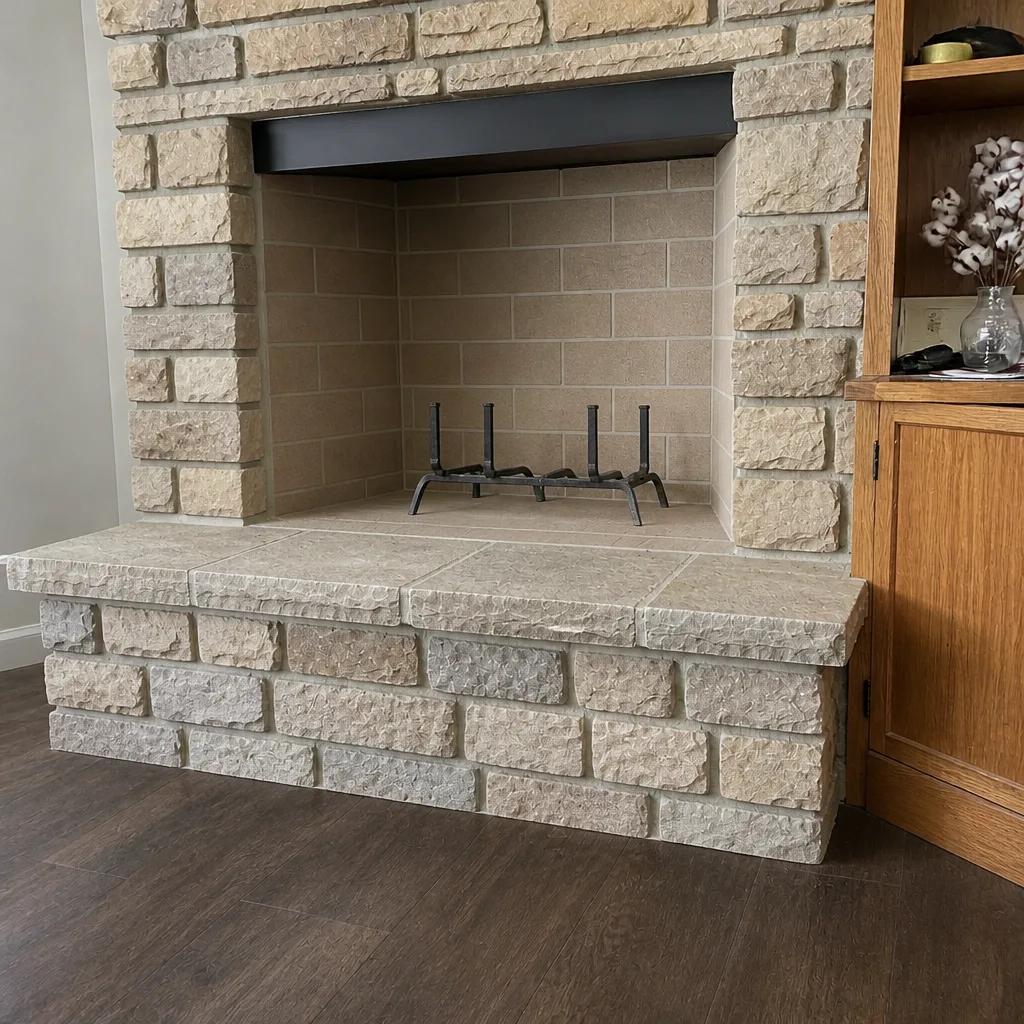
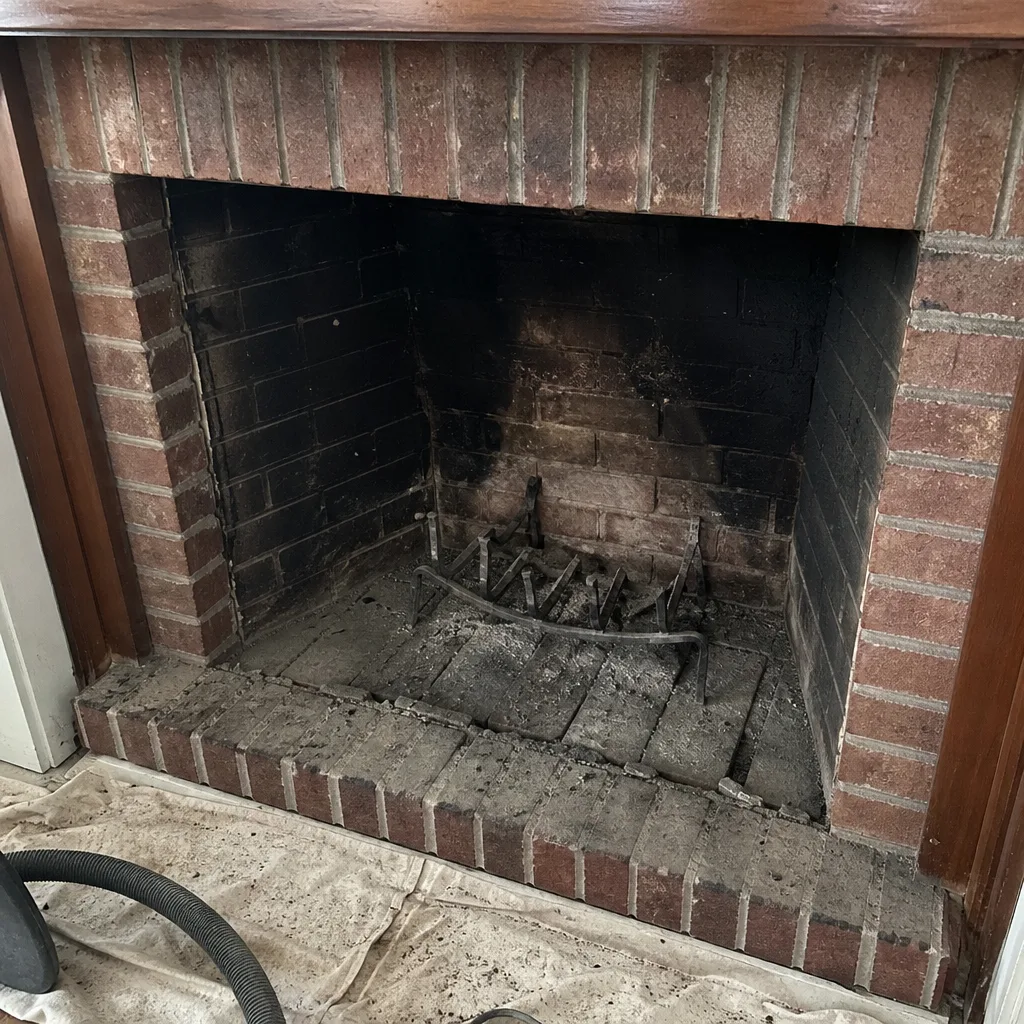
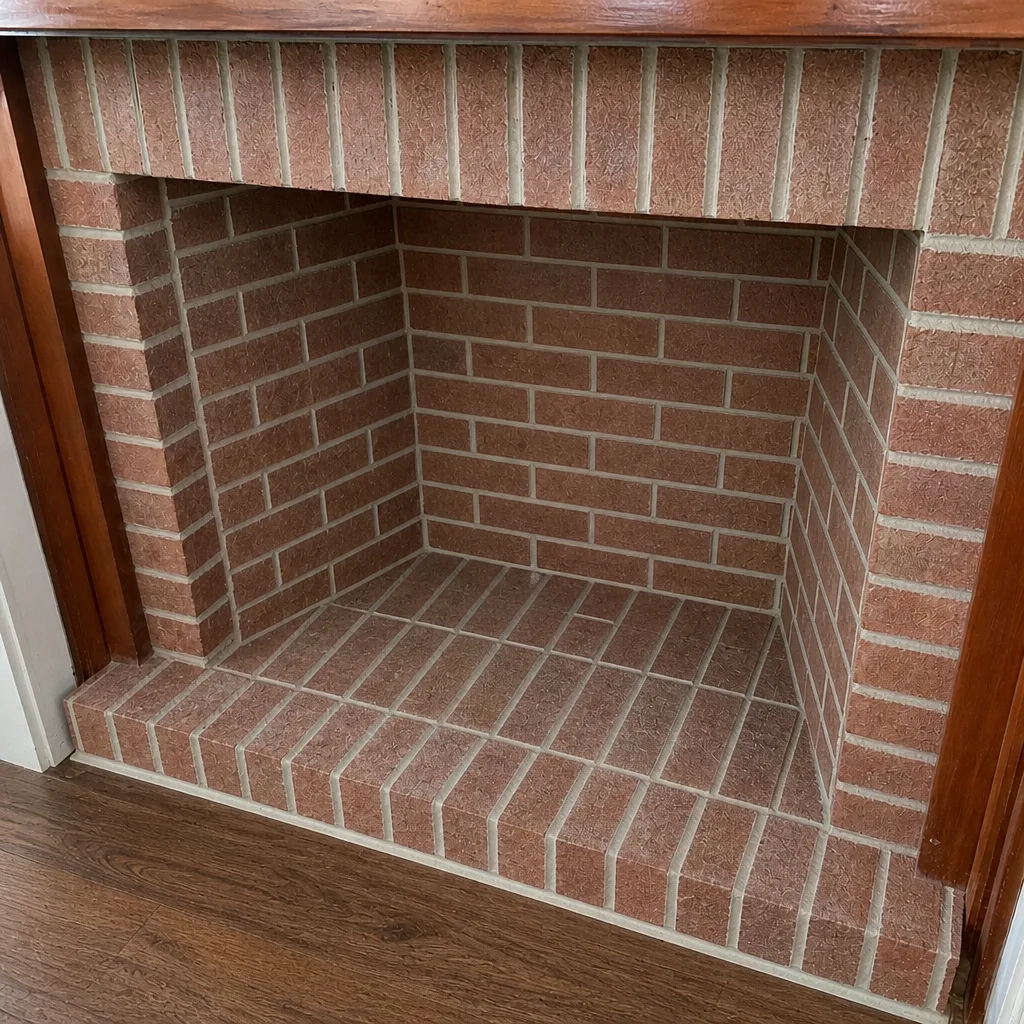
See the difference
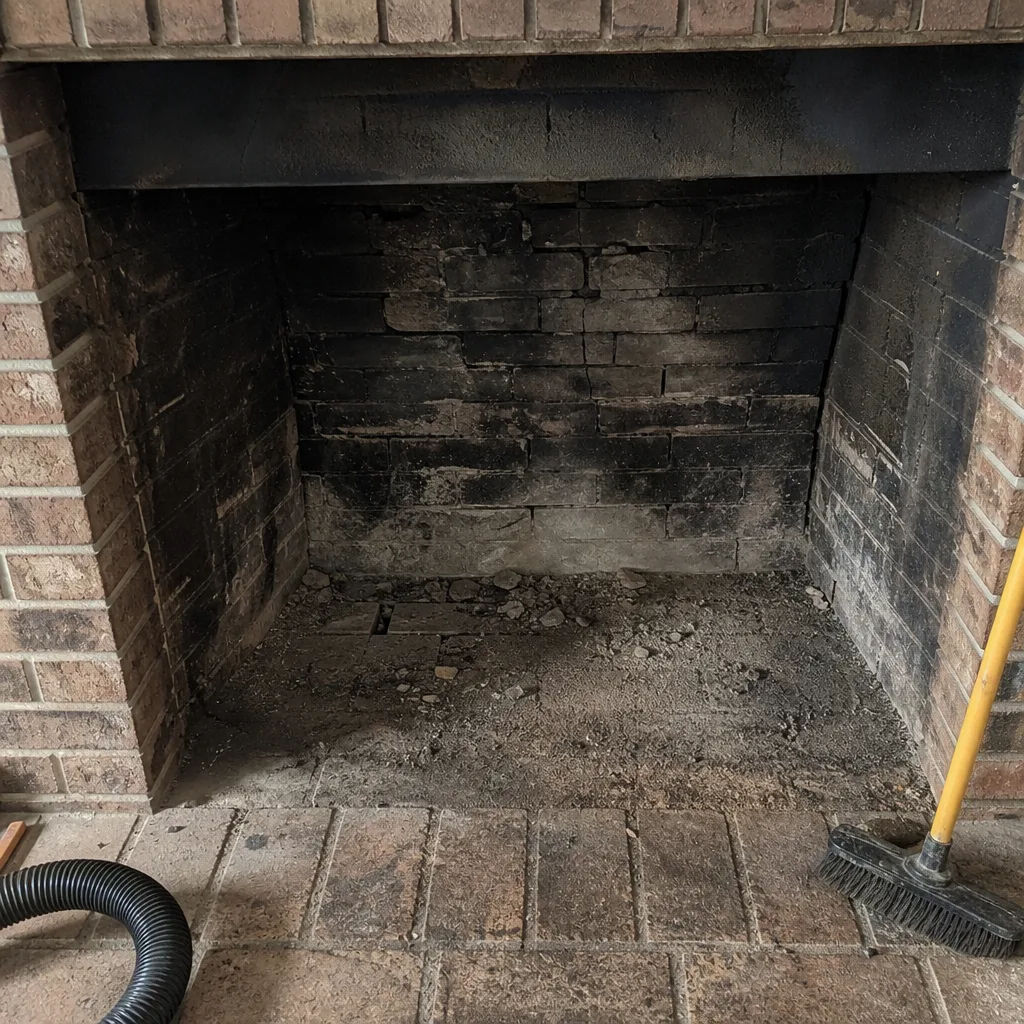 Before
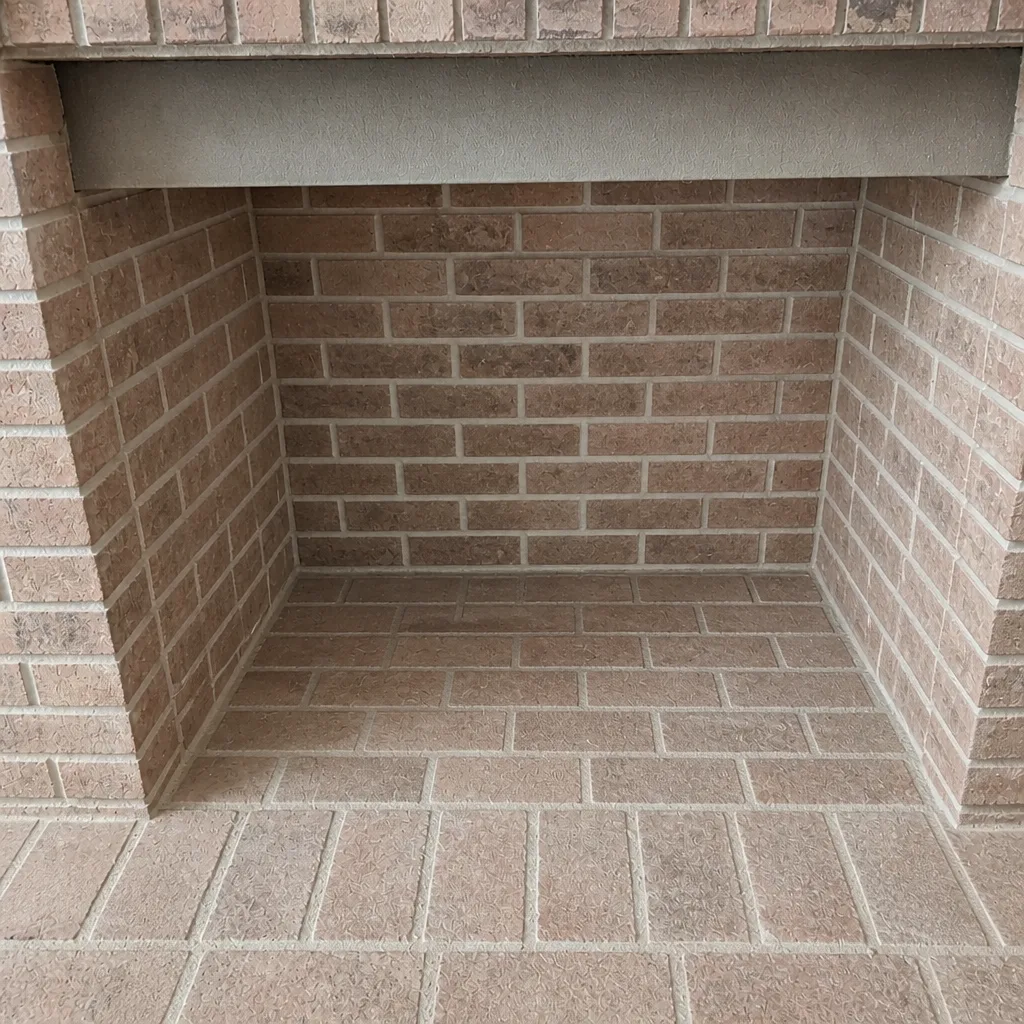 After
 Before
 After
 Before
 After
Our HeatShield Service Process – Step by Step
- 1
Diagnosis. A Level 2 inspection comes first, camera and all. We look at the tile joints, the crown, the flashing and the existing coating condition. Creosote gets graded, because glazed stage 3 creosote blocks any resurfacing that follows.
- 2
Prep. A proper sweep and degrease brings the flue to bare masonry. This is the step that determines whether the HeatShield coat lasts. We don’t skip it and we don’t rush it.
- 3
Repair or install. Crown repair and flashing work come before resurfacing when water intrusion is in play. Then the Cerfractory materials go on according to the manufacturer’s published application steps, with the flue structure confirmed sound first.
- 4
Test. We check the finished surface for consistent coverage and bond, and we verify the flue drafts correctly once curing is complete.
- 5
Documentation. You get photos and a written record of what we found and what we applied. That file supports warranty questions, insurance requirements and real-estate transactions, and it’s yours to keep.
HeatShield Products We Service & Install in Fayetteville
We work with the HeatShield system across its main components. The HeatShield Cerfractory Flue Sealant is the air-applied ceramic refractory coating used to seal and smooth a flue. The HeatShield Resurfacing System covers damaged and pitted flue liners that are otherwise structurally sound. HeatShield Cerfractory Plus handles larger voids and rebuild sections where material is missing. HeatShield pre-cast refractory chimney liner components come into play where a flue needs sections joined rather than just coated.
Which of these fits a given chimney in Fayetteville depends entirely on what the inspection finds. We don’t guess, and we don’t recommend the most expensive option as a default. We look, we document, and we tell you what the flue actually needs.
We Also Service These Brands
HeatShield is one tool, not the whole toolbox. We also work with DuraFlex flexible liner systems for retrofits, which is the professional standard for relining older or offset chimneys where rigid liners won’t fit, and with Gelco. That range means your flue gets the right system for its condition instead of whatever a single-brand shop happens to sell.
FAQs – HeatShield Chimney Cleaning Service in Fayetteville
HeatShield is a resurfacing coating, not a structural liner. It restores and seals the existing flue surface when the underlying structure is sound. If the liner itself is compromised, it needs a reline, and we’ll tell you that plainly.
Almost always because the flue wasn’t properly cleaned or primed to bare masonry before the coat went on. Glazed creosote left under the coating prevents bonding and lets the surface peel in sheets. Water entering from a cracked crown can break it down from above as well. Call (855) 608-7738 and we’ll diagnose which one you’re dealing with – estimates are free.
No. HeatShield is formulated for masonry and clay tile flue surfaces, not for metal chimney systems or metal gas insert flues. Those need different products and different work. If you’re moving into Fort Bragg housing with an unfamiliar setup, an inspection will tell you what you’re actually working with.
Heavy glazed stage 3 creosote blocks it entirely. The coating can’t bond to that slick, hardened surface, and applying it anyway guarantees a peel. The flue has to be swept and degreased to bare masonry first, or the job doesn’t proceed.
Yes. A Level 2 inspection comes before any resurfacing, because the tiles, joints, crown and flashing all have to be verified sound before coating. Skipping that step is how hidden joint problems end up coated over. Call (855) 608-7738 to book yours.
Every job is priced individually by written estimate, so the final figure is set before any work begins and there’s no guessing at the end. A typical job usually involves a Level 2 inspection, a sweep and degrease to bare masonry, an honest check of the tile joints and crown, and then either a Cerfractory re-application or a reline recommendation if the liner is structurally compromised. Call (855) 608-7738 for an exact quote – estimates are free.
Written by the team at Delmar Chimney Sweep.