
Last updated November 15, 2026
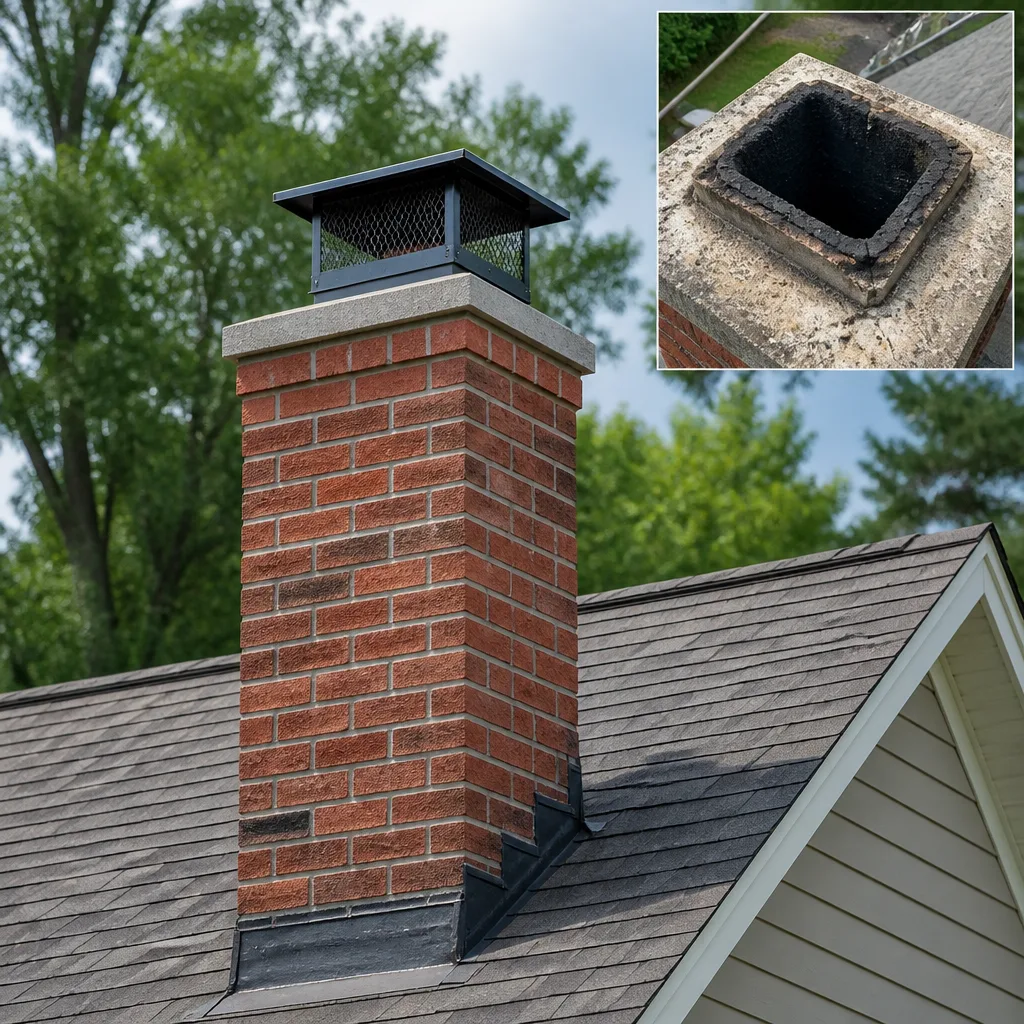 Sweep & inspection
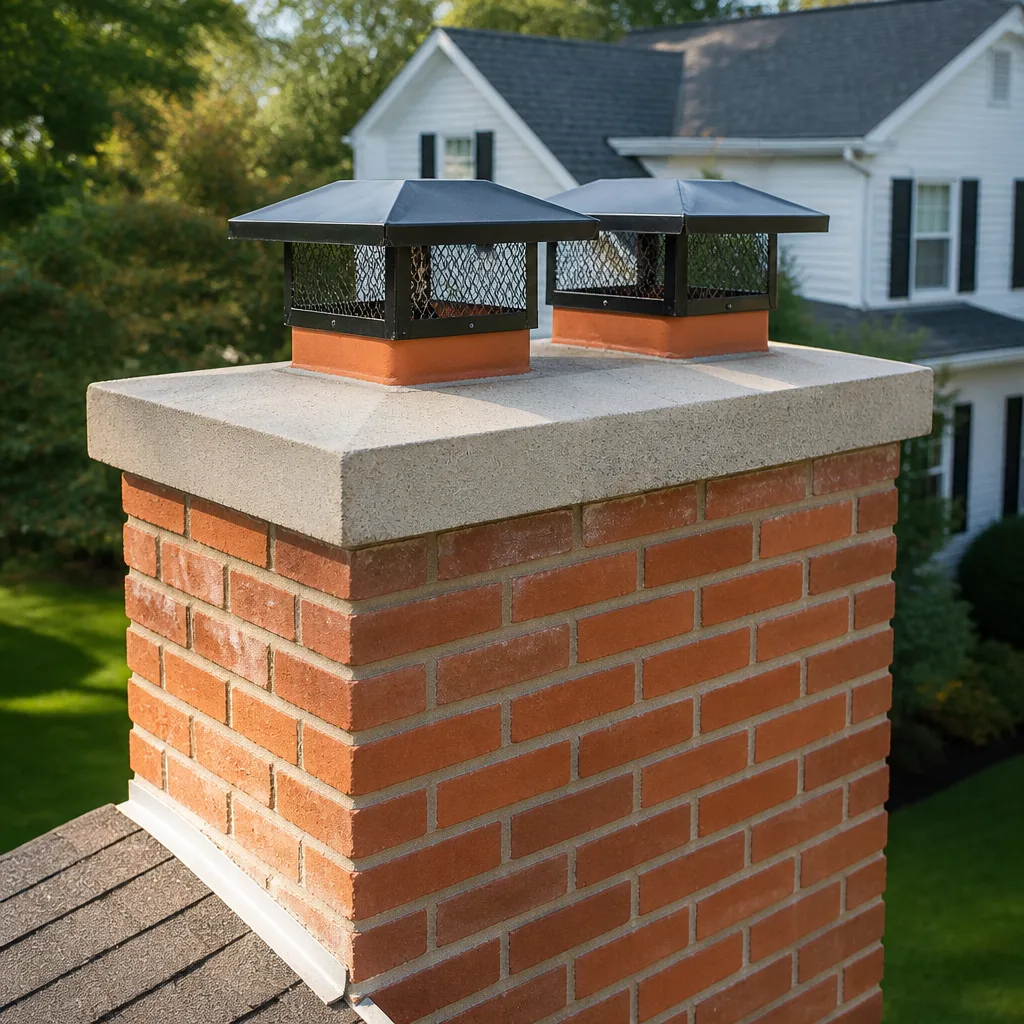 Caps & crowns
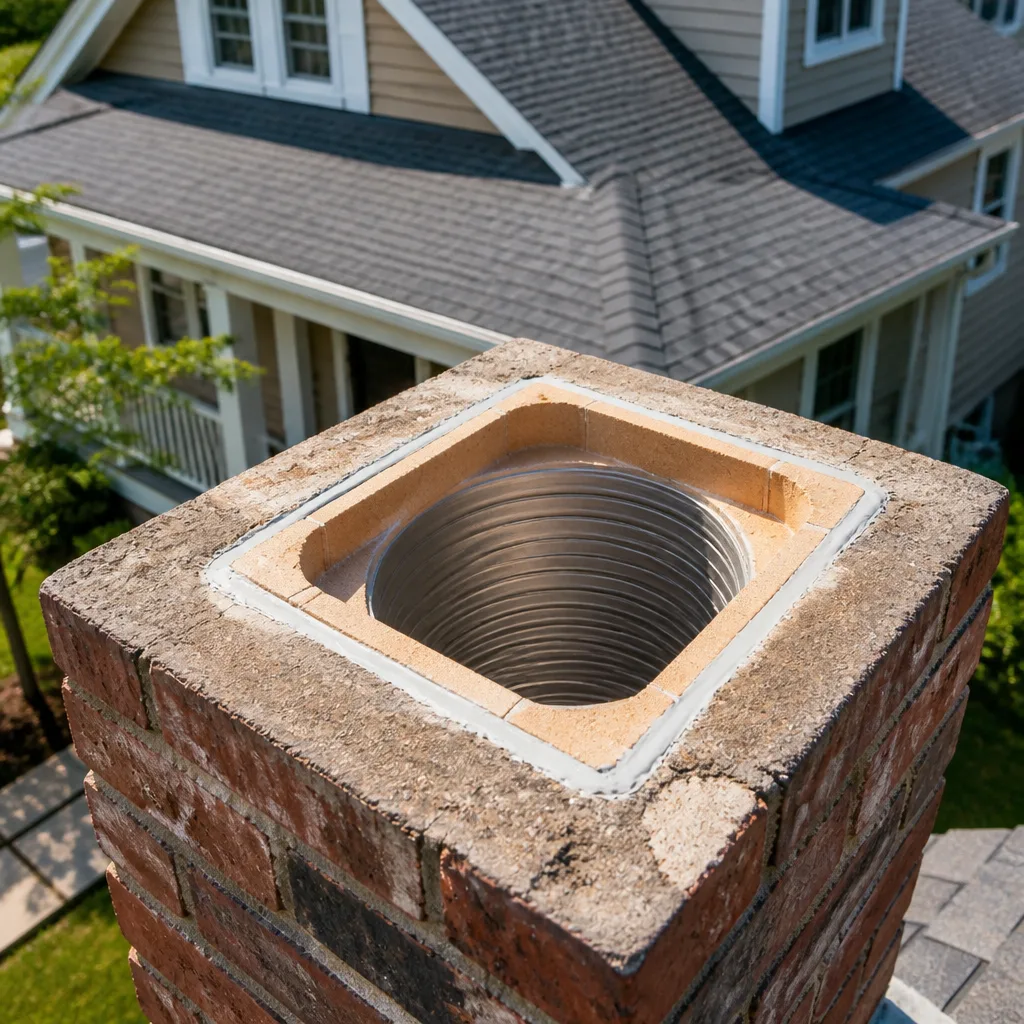 Flue relining
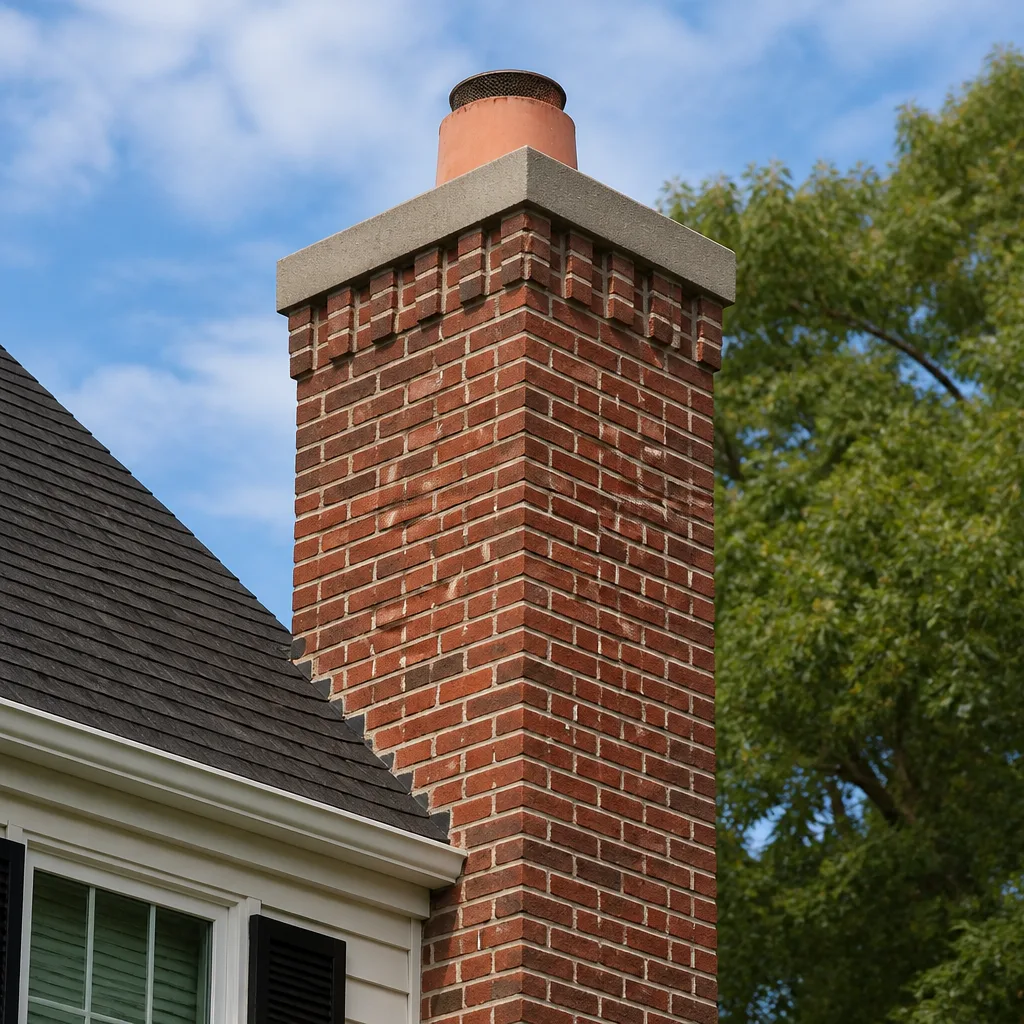 Masonry repair
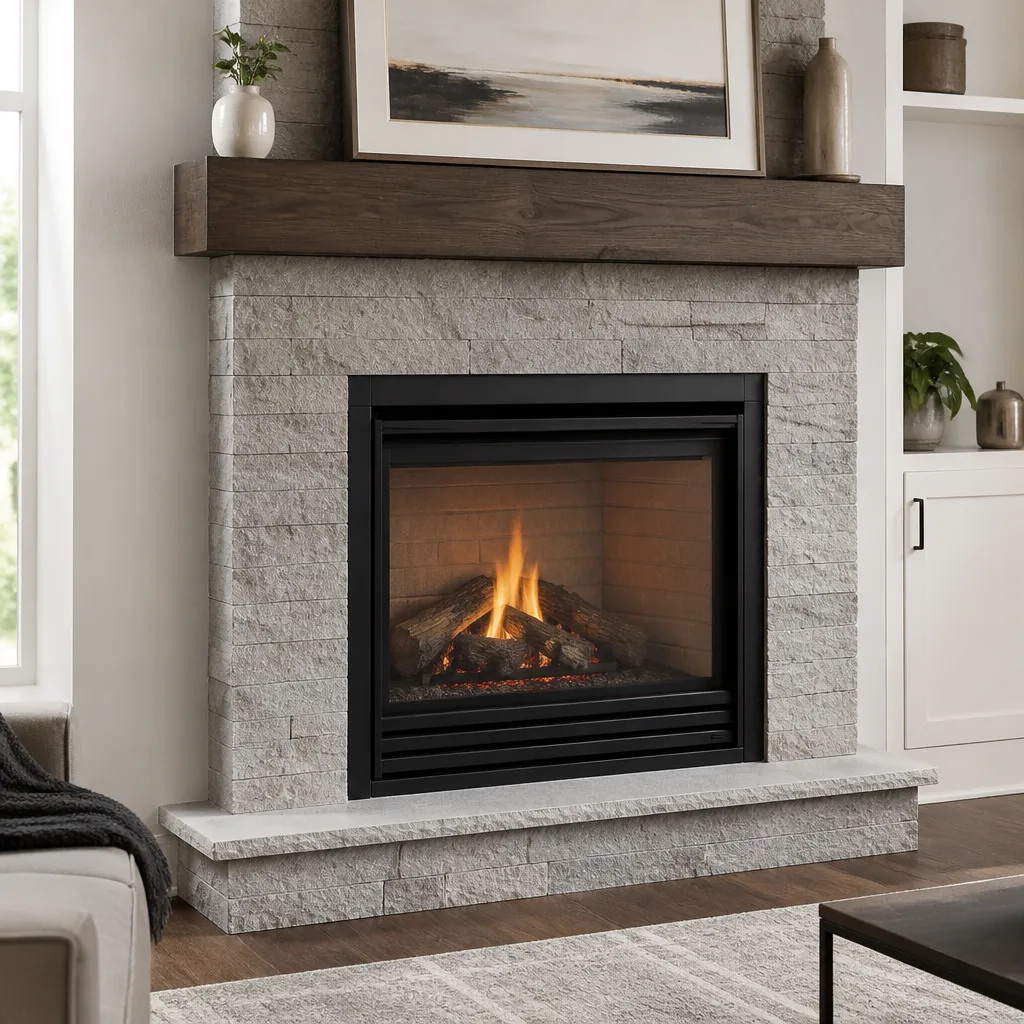 Gas fireplace service
Level 1 sweep and inspection to the NFPA 211 annual standard - flue, crown, cap, and flashing checked and photographed
Chimney sweep logs do not sweep chimneys. They loosen some creosote - which then falls where a brush and vacuum still have to collect it.
How to Hire a Chimney Cleaning Contractor in Fayetteville: A Step-by-Step Guide
North Carolina does not require a state chimney sweeping license. That single fact is what separates an informed hire from an expensive mistake, and most homeowners don’t find out until after the truck has left the driveway. In a trade where almost anyone can print a business card, the credential and questioning framework you use before signing anything matters more than it does in most home-service categories. This guide walks you through how to verify a contractor, what to ask before scheduling, how to read a written estimate, and which red flags tend to surface in the Fayetteville market. We’ve built it for homeowners with wood-burning fireplaces, gas inserts, and older masonry chimneys who want a straight answer about what their flue actually needs.
Quick Answer
To hire a chimney cleaning contractor in Fayetteville, verify current CSIA certification directly with the Chimney Safety Institute of America, ask for proof of insurance and a written scope of work, and request a written estimate that itemizes the sweep, any inspection, and any recommended repairs separately. Confirm the contractor uses professional-grade liner and resurfacing materials rather than hardware-store substitutes, and be wary of anyone who solicits door-to-door after a storm or who won’t put their findings in writing. The right hire gives you a document, not just an opinion.
Styles & brands we work with
- Sweep & inspection
- Caps & crowns
- Flue relining
- Masonry repair
- Gas fireplace service
Table of Contents
- Why Hiring a Chimney Sweep in Fayetteville Is Different
- What CSIA Certification Actually Verifies
- The Five Questions to Ask Before You Schedule
- How to Read a Chimney Sweep Estimate
- Red Flags Specific to the Fayetteville Market
- One Contractor or Two? How Accountability Changes
- Getting Documentation That Holds Up
- Common Mistakes to Avoid
- When to Call a Professional
- Frequently Asked Questions
Why Hiring a Chimney Sweep in Fayetteville Is Different
Chimney sweeping is not a licensed trade in North Carolina the way electrical or plumbing work is. There is no state board that issues a sweeping license, no state exam, and no state registry you can look someone up in. That means the usual shortcut a homeowner leans on, checking a license number with the state, doesn’t exist here. What fills the gap is voluntary certification, primarily through the Chimney Safety Institute of America, plus whatever verification the contractor offers on their own.
Fayetteville sits in a region where wood burning is common and where many homes have masonry chimneys that have been in place for decades. That combination produces a lot of chimneys that need real attention and a lot of operators willing to provide the appearance of attention. We’ve seen flues that were never actually swept, just vacuumed at the firebox mouth. We’ve seen liners declared “fine” by someone who never put a camera inside. When the trade isn’t regulated, the burden shifts to you to run a short verification process before anyone climbs onto the roof.
The good news is that verification is not hard. It takes about ten minutes and a few questions, and it filters out most of the operators who shouldn’t be on your property. The rest of this guide is that process, laid out step by step.
What CSIA Certification Actually Verifies
CSIA certification is the closest thing the chimney trade has to a recognized professional standard, but it isn’t a one-time badge. It has to be earned through an exam, and it has to be maintained through continuing education and a code of ethics. A contractor who was certified years ago and never renewed is not currently certified. That distinction matters.
Here is what current CSIA certification generally tells you:
- The technician passed a written exam covering sweeping, inspection, venting, and codes.
- The certified professional commits to a code of ethics and a standard of conduct.
- The certification is active and subject to renewal, so it reflects current knowledge rather than a past accomplishment.
How do you confirm it’s current? Ask for the certification number and verify it directly with the CSIA rather than taking a logo or a badge on a website as proof. Logos get borrowed. Numbers get checked. A contractor who is genuinely certified will hand the number over without hesitation and will not be offended that you asked.
CSIA certification also tells you something about the contractor’s relationship to the trade itself. They paid for the exam, they maintain the credential, and they operate within a code. In a state where no license is required, that’s a meaningful signal. Not the only one, but a real one.
It’s worth being clear about what certification does not verify. It doesn’t guarantee a particular outcome, it doesn’t confirm the contractor carries insurance, and it doesn’t warranty their work. Those are separate items you’ll confirm on your own, covered in the next section. You can also read more about how our team approaches chimney sweep work in this market.
The Five Questions to Ask Before You Schedule
The five-question screen below is designed to filter out unqualified operators without being confrontational. Ask them by phone when you book. The answers, or the discomfort they produce, tell you a lot.
- Are you currently CSIA certified, and can I have the number? A legitimate contractor gives it without pause. A vague “we’re fully certified” answer that doesn’t produce a number is your signal.
- Are you insured, and can you send a certificate of insurance? This covers both liability and workers’ compensation. If a technician is injured on your property and the contractor isn’t covered, that exposure can land on you.
- What exactly is included in the sweep, and what does the estimate cover? You want to hear a specific scope: firebox, damper, smoke chamber, flue. Not “the chimney.”
- Will I get a written report with photos? A camera inspection with photos is the difference between a factual finding and a verbal opinion. Ask whether photos are included or whether they cost extra.
- If you find a problem, will you put the recommendation in writing with a separate price? A contractor who handles sweep, repair, and inspection should still scope each separately. The recommendation should be a document, not an upsell on the spot.
Ask these before you book, not after the technician arrives. Booking is when you have the most leverage, because you haven’t committed to anything yet and the contractor has an incentive to answer clearly. If the answers are evasive, move to the next call. There are enough qualified contractors in the Fayetteville area that you shouldn’t have to talk yourself into one.
One note on the “when the technician arrives” trap: some operators save the difficult questions for the job site, where you’re more likely to say yes because they’re already there. Ask the five questions by phone and write down the answers. If the story changes on arrival, you have a record.
How to Read a Chimney Sweep Estimate
A chimney sweep estimate should be a written document, and it should itemize. Vague language like “chimney cleaning and safety check” bundled into a single line is the most common sign that you’ll end up with a verbal recommendation and a second invoice. The line items below should always appear clearly. Prices vary by chimney, access, and condition, so we don’t quote figures here; the written estimate sets the final price for your job.
- Sweep scope. Which components are being cleaned. Firebox, damper, smoke chamber, and flue should be named.
- Inspection level. Which level is being performed and whether it includes a camera. Level 1, 2, and 3 are different jobs.
- Photo documentation. Stated as included or priced separately. It should never appear only after the fact.
- Repair line items. Each recommended repair priced separately, with the material named and the reason stated.
- Debris removal. Whether the soot and creosote leave with the contractor or end up in your yard.
- Protection and cleanup. Drop cloths, containment, and a stated standard for leaving the room as found.
What vague language signals: a single bundled line, the absence of an inspection level, “safety check” with no mention of a camera, and repair prices quoted only in person after the sweep. Those patterns are consistent with an operator who wants the estimate to be informal so the recommendation can be flexible.
The itemization also helps you comparison shop. When two estimates name the same line items, you can compare them on scope and material rather than trying to decode two different formats. For more on what each of these line items involves, see our page on chimney repair.
Red Flags Specific to the Fayetteville Market
Every market has its own pattern of unqualified operators, and the pattern in Fayetteville follows the weather. After storm seasons, door-to-door chimney solicitation picks up. Someone knocks, says they noticed something about your chimney from the street, and offers a free inspection that turns into a same-day repair quote. That sequence is the red flag.
The specific patterns worth recognizing:
- Storm-season door-knocking. Chimney work isn’t an emergency service, and honest contractors don’t find their work by walking the neighborhood after bad weather.
- A “free inspection” that ends in a four-figure repair quote on the spot. A real inspection produces a written report. A real repair quote follows the report, not the other way around.
- No written scope before the technician arrives. If you can’t get a scope in writing, you’re not hiring a contractor, you’re accepting a visit.
- Recommendations without camera evidence. If the finding isn’t on camera, you can’t verify it. That’s a recommendation, not a fact.
- Liner replacement quoted without a documented reason. Liner work is sometimes necessary, but the necessity belongs in the report with photos, not in a verbal warning.
- Cash-only pricing with no paper trail. A written estimate and a written invoice are part of the accountability you’re paying for.
None of this is about scare-selling in reverse. It’s about the fact that in an unregulated trade, the pattern of how a contractor finds work tells you as much as what they say on the phone. The Fayetteville homeowners we work with generally end up with the right contractor by screening for this pattern first.
One Contractor or Two? How Accountability Changes
There is a real argument for hiring a sweep and a repair contractor separately, and it comes down to independence. If the person who sweeps isn’t the person who repairs, the sweep can’t be used to manufacture repair work. That’s the theory.
In practice, the two-vendor approach has its own failure mode, and it tends to show up when a repair goes wrong. The sweep says the flue was clean. The repair contractor says the liner was installed correctly and the failure is on the sweep. You’re in the middle of two trades pointing at each other, and neither is accountable for the outcome you paid for. That happens more than homeowners expect.
Hiring one contractor who does sweep, repair, and inspection in-house changes the accountability dynamics in a specific way. The same trade that found the problem is the trade that fixes it. There’s no seam to point across. If the repair doesn’t hold, there’s one party to call.
Our approach at Delmar Chimney Sweep is built around that single-company accountability, with the three services kept clearly scoped and priced separately so that bundling isn’t forced. The inspection is a standalone, documented service rather than a gateway to a repair quote. We use materials like DuraFlex flexible liner systems and HeatShield ceramic resurfacing because they’re what the trade actually specifies, not because they’re what’s on sale. That matters in Fayetteville, where older masonry chimneys and offset flues often need a flexible liner where a rigid one won’t fit.
If you choose the two-vendor route, the way to protect yourself is to get the sweep report in writing with photos and to hire the repair contractor against that documented report. Without that, the two-vendor approach only works in theory.
Getting Documentation That Holds Up
A chimney inspection should give you a document, not just an opinion. That document needs to hold up in three specific settings: an insurance claim, a real-estate transaction, and your own annual safety records. Each has different requirements, and a report that satisfies one may not satisfy another.
What a usable report includes:
- The inspection level performed and the components covered.
- Photo documentation of what was found, including the flue interior.
- Findings stated as observations tied to specific photos, not as general conclusions.
- A clear statement of what needs work and what can safely wait. This is the part that turns a report into something you can act on with confidence.
- The contractor’s identification and certification status on the document itself.
The “what can safely wait” line is the one that separates a real inspection from a sales visit. Not every finding is urgent, and an honest inspection report will say so in writing. If everything on your chimney is labeled critical, ask which findings have photos and which don’t. If the photos don’t support the conclusion, the conclusion isn’t established.
Real-estate documentation is its own category. Buyers and sellers need a report that a lender and an insurance carrier will accept, which means the inspection level, the components, and the findings need to be clearly stated. Agents in Fayetteville now routinely ask for the report before closing, which is the right instinct. A well-documented inspection can be prepared from the beginning to satisfy that requirement. You can read more about the Fayetteville market and how we approach these reports on our local page.
Common Mistakes to Avoid
- Assuming a license covers the trade. North Carolina doesn’t license chimney sweeps, so checking a license number with the state returns nothing. Verify current CSIA certification instead, and do it directly with the institute.
- Accepting a verbal recommendation without camera evidence. A finding you can’t see isn’t a finding you can verify. Ask for the photos, every time.
- Letting the sweep turn into a repair quote on the spot. The sweep and the repair should be scoped and priced separately. If the recommendation only appears in person, you’ve lost your ability to compare.
- Hiring the first knock on the door after a storm. Fayetteville door-to-door chimney solicitation follows storm seasons closely. Chimney work isn’t urgent, so there’s no reason to hire from a knock.
- Comparing estimates that name different work. Two quotes only compare if they itemize the same scope. The line items in the written estimate are what you compare, not the bottom number.
- Skipping the insurance certificate. A contractor without liability and workers’ comp coverage leaves the exposure on your property if something goes wrong.
- Treating the annual inspection as optional. The inspection is what keeps a small issue from becoming a structural one. It’s cheaper than being surprised.
When to Call a Professional
Call for a professional sweep when you’ve burned a full season or more and haven’t had the flue cleaned, when you notice a strong creosote odor in warm weather, or when you see dark staining at the top of the chimney or on the smoke chamber. Call for an inspection if you’re buying or selling a home in Fayetteville and need clearance documentation, or if it’s been more than a year since the last one. Call sooner if you smell gas from a gas insert, if the damper won’t operate, or if you see crumbling mortar or cracked bricks in the firebox.
Delmar Chimney Sweep offers free estimates in Fayetteville, and we can work with your insurer on documentation. Call (855) 608-7738. We answer 24/7. Fast dispatch from 7am to 7pm, Sunday through Friday. Our technicians have up to experience, so the person who arrives is one who has seen more than a few flues in this region.
Frequently Asked Questions
A chimney sweep in Fayetteville is quoted per job against a written estimate, which is why we don’t publish a single figure that won’t match your chimney. Prices vary with the flue’s height, access, and level of creosote, and any inspection or repair is priced on its own line. Get the written estimate before scheduling; it sets the final price. Call (855) 608-7738 for an exact quote, and the estimate is free.
Sometimes, but not as often as it’s quoted. A liner replacement is justified when the camera shows cracked tiles, gaps at the joints, or a flue that isn’t correctly sized for the appliance. If there’s no photo of the failure, ask for one; the recommendation should be evidence first, not warning first. We use HeatShield ceramic resurfacing for flues that qualify, which restores the liner without a full tear-out. Call (855) 608-7738 for an exact quote on your chimney and an honest read on whether a liner is actually required.
Once a year is the general rule for a wood-burning fireplace in regular use, and more often if you burn frequently or burn unseasoned wood. The annual inspection is what tells you whether the actual schedule for your chimney needs to be tighter. Skipping years is how small deposits become structural issues. Call (855) 608-7738 for an exact quote on your sweep and inspection.
Creosote builds up in the flue, and at higher concentrations it can ignite, which is how chimney fires start. A flue that’s never inspected can also hide cracked tiles or failing joints that let exhaust vent into the home instead of out. Neither outcome is instant, and neither is guaranteed, which is exactly why the inspection exists. Call (855) 608-7738 for an exact quote on an inspection you can see the results of.
You don’t need it by law, but in practice buyers and lenders in this market often ask for it, and a written inspection report is usually what satisfies the requirement. The report needs photo documentation, the inspection level, and a clear statement of any findings. Ours is prepared to work for insurance and real-estate transactions from the start. Call (855) 608-7738 for an exact quote on a pre-sale inspection.
No. North Carolina doesn’t require a state chimney sweeping license, and CSIA certification is voluntary. That’s exactly why checking for current certification matters more here than it would in a licensed trade. Verify it directly with the CSIA using the contractor’s certification number. Call (855) 608-7738 for an exact quote and to confirm our certification before you book.
The Bottom Line
Hiring a chimney contractor in Fayetteville comes down to verification, because the trade isn’t licensed at the state level. Confirm current CSIA certification directly with the institute. Ask for insurance proof and a written scope before you book. Read the estimate for itemized line items and treat vague language as a signal. Watch for storm-season door-knocking and free inspections that turn into on-the-spot repair quotes. And decide up front whether you want a single contractor who sweeps, inspects, and repairs, or two vendors you’ll have to manage when something goes wrong. If you want a document rather than an opinion, you’re already asking the right questions. Call (855) 608-7738. We answer 24/7. Fast dispatch from 7am to 7pm, Sunday through Friday.
Written by the team at Delmar Chimney Sweep.
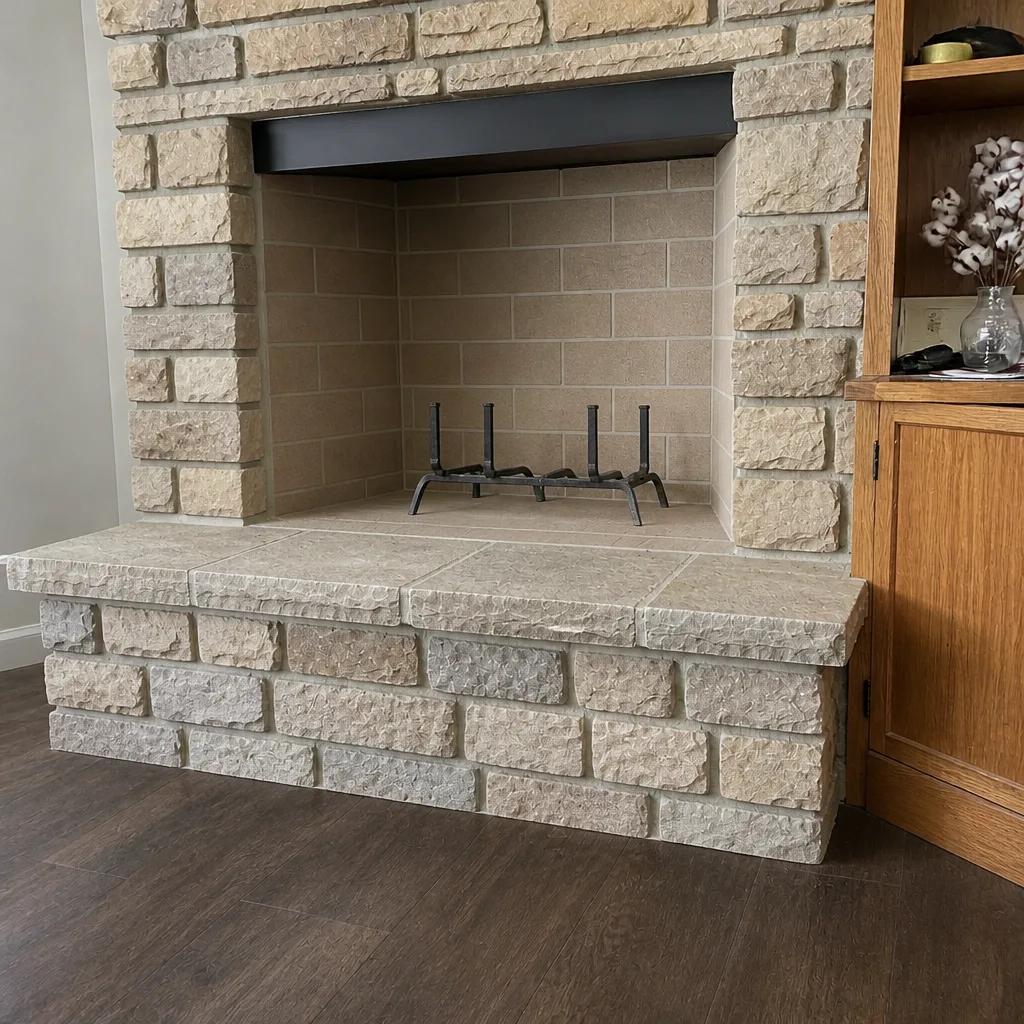
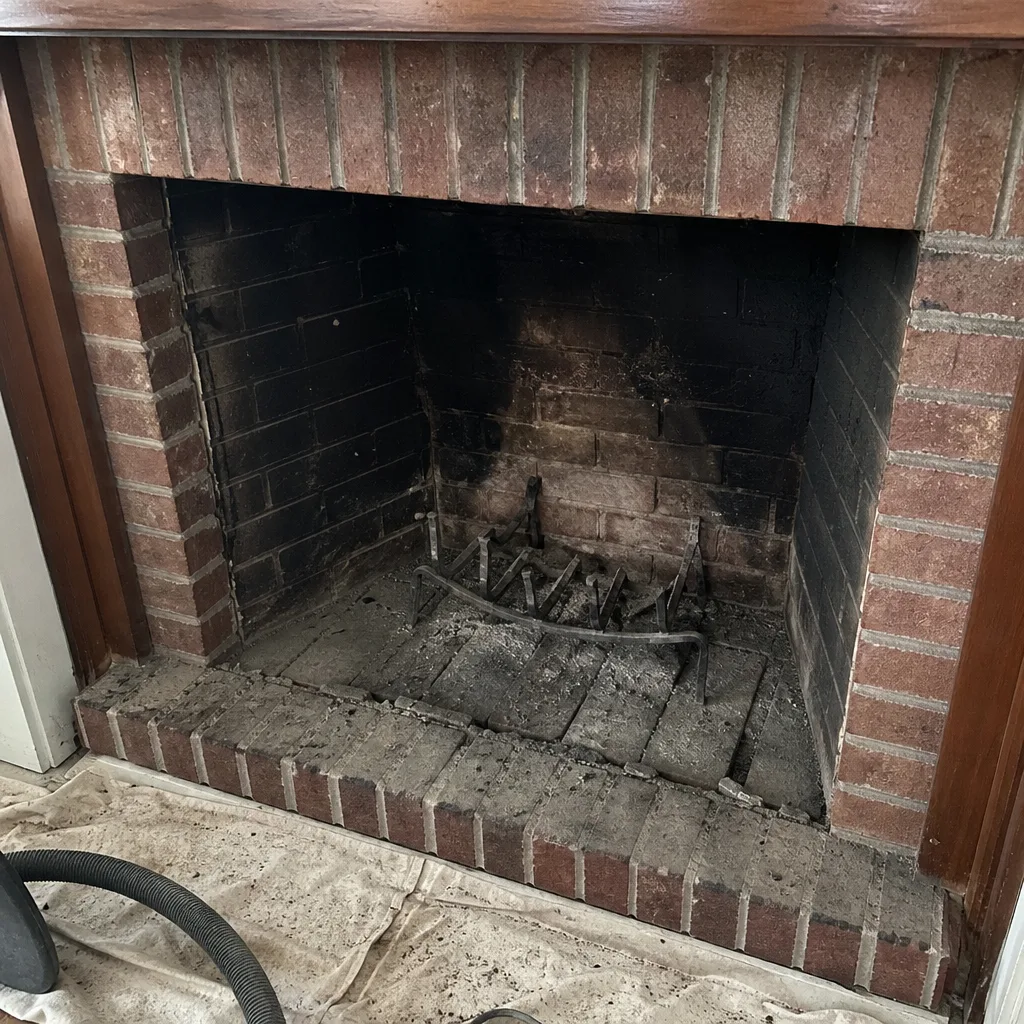
See the difference
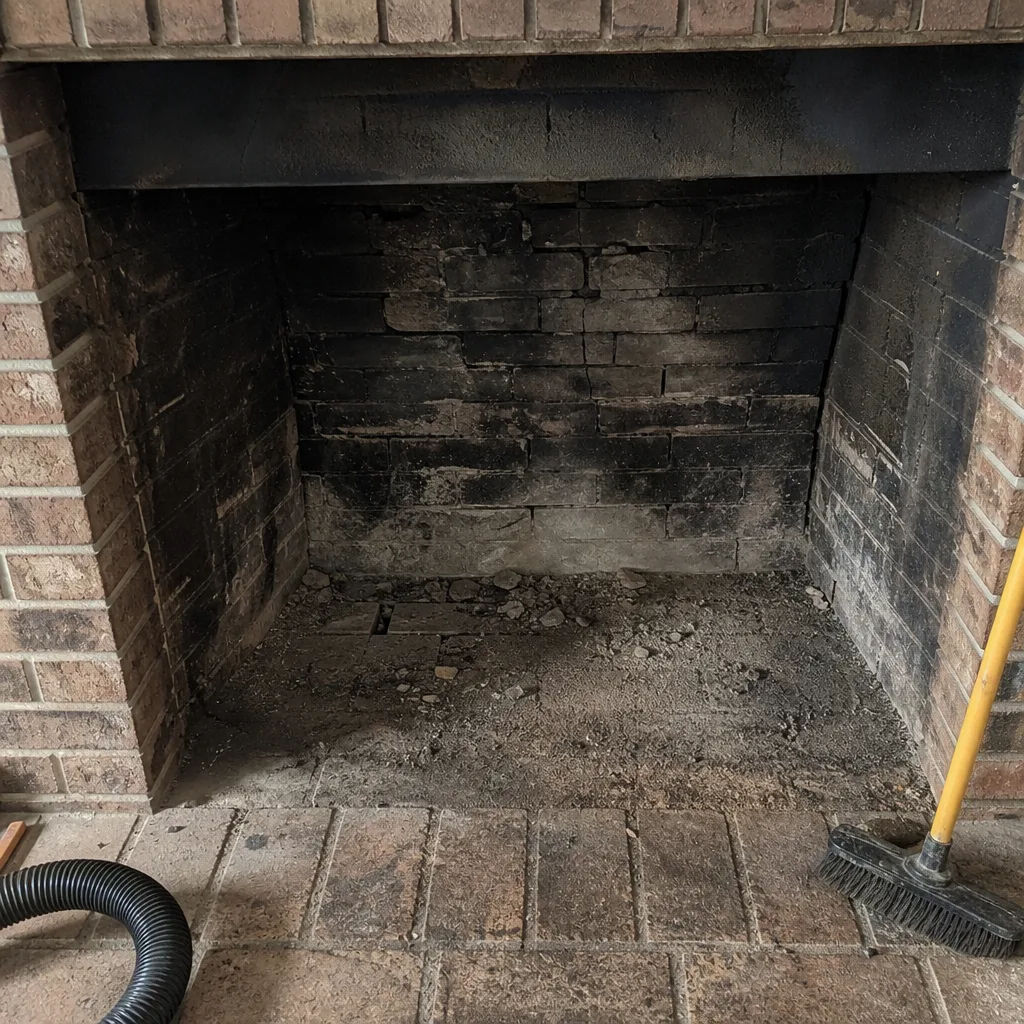 Before
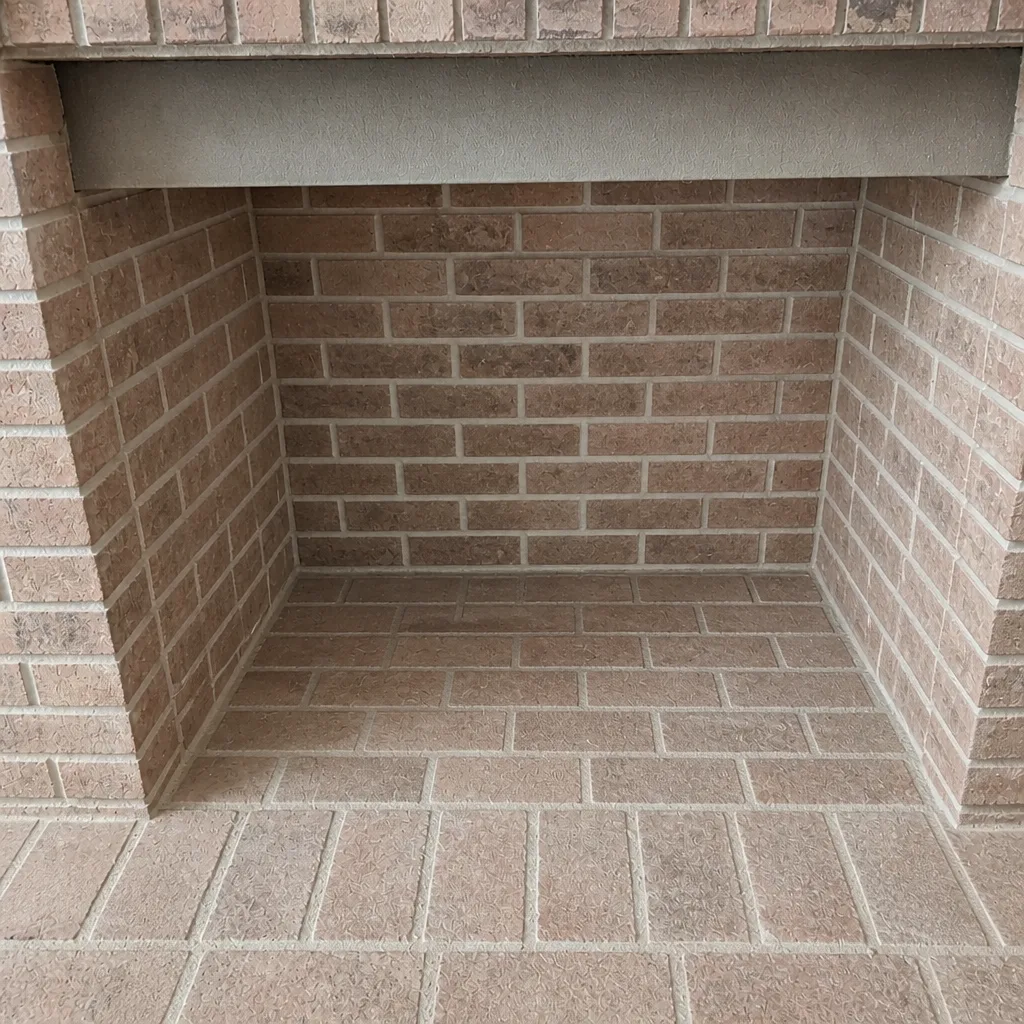 After
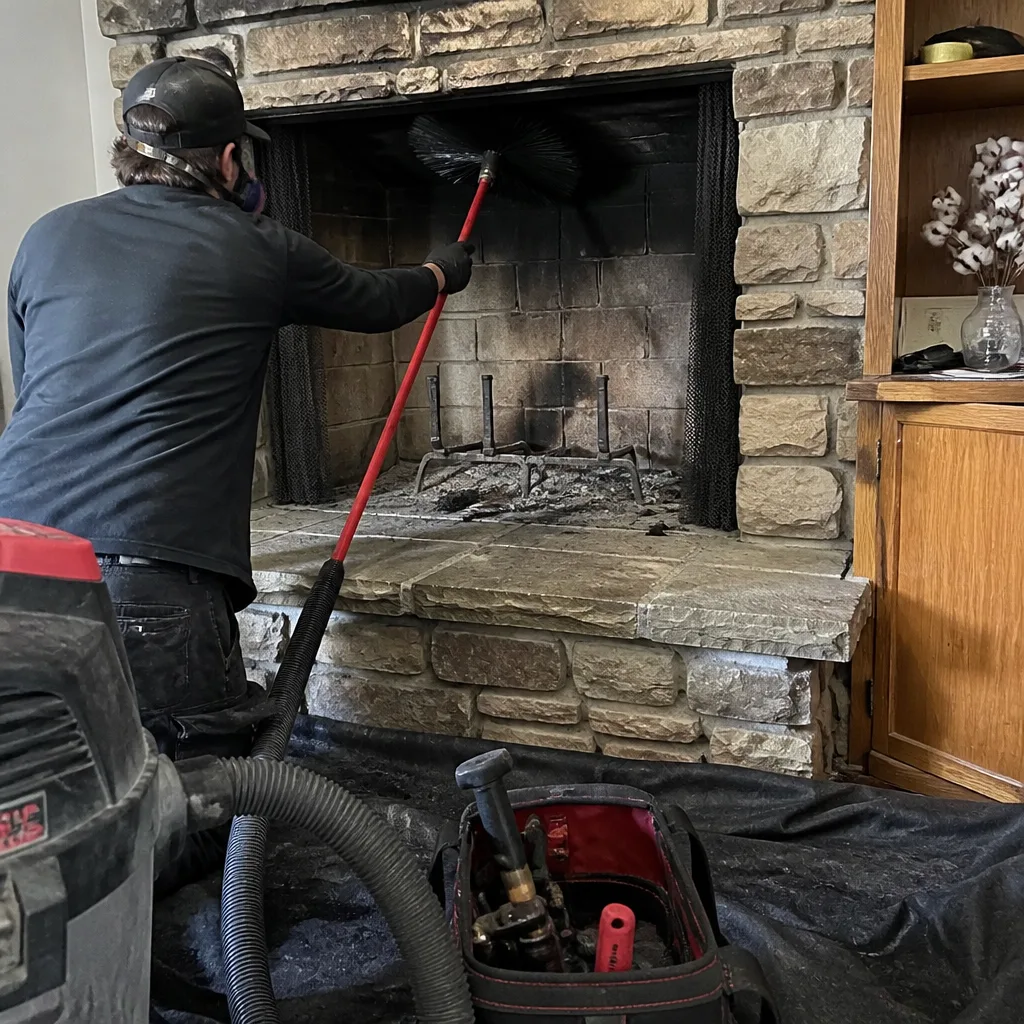 Before
 After
 Before
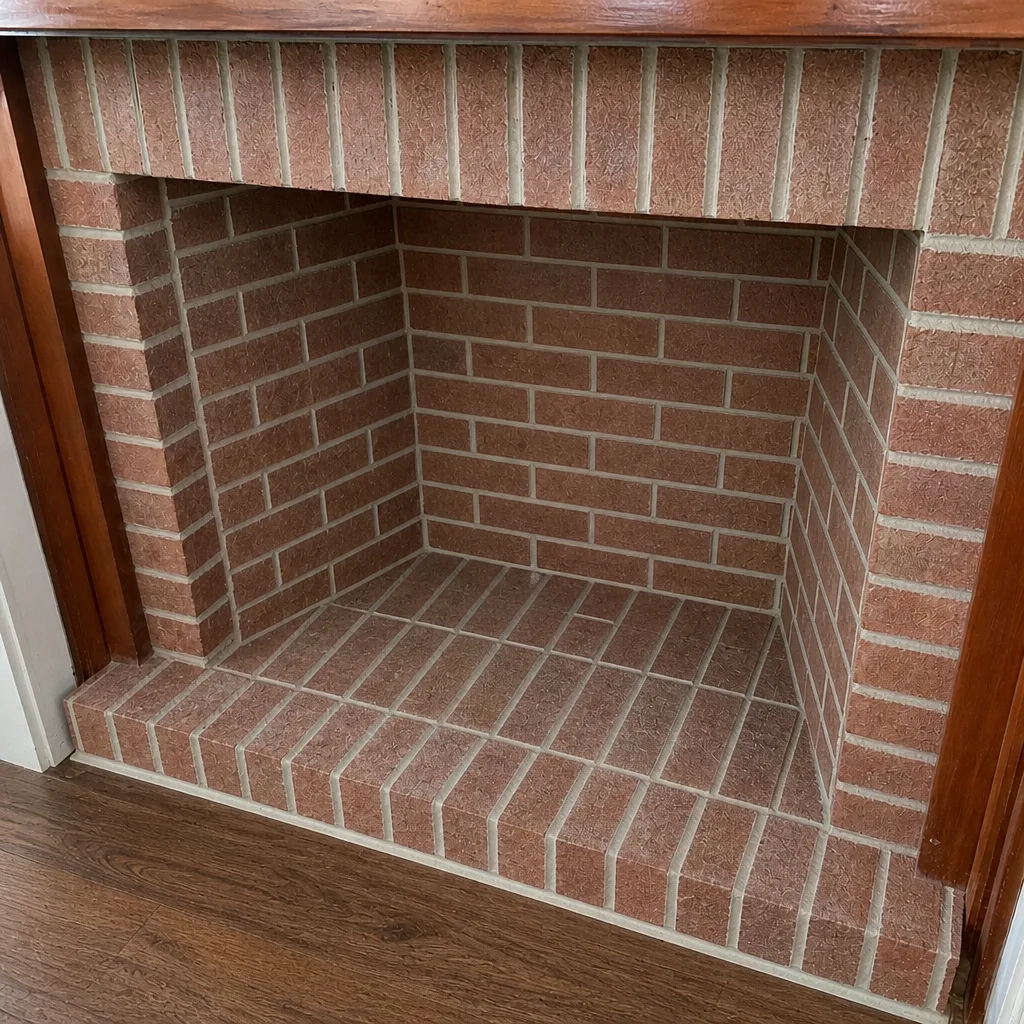 After