
Last updated November 15, 2026
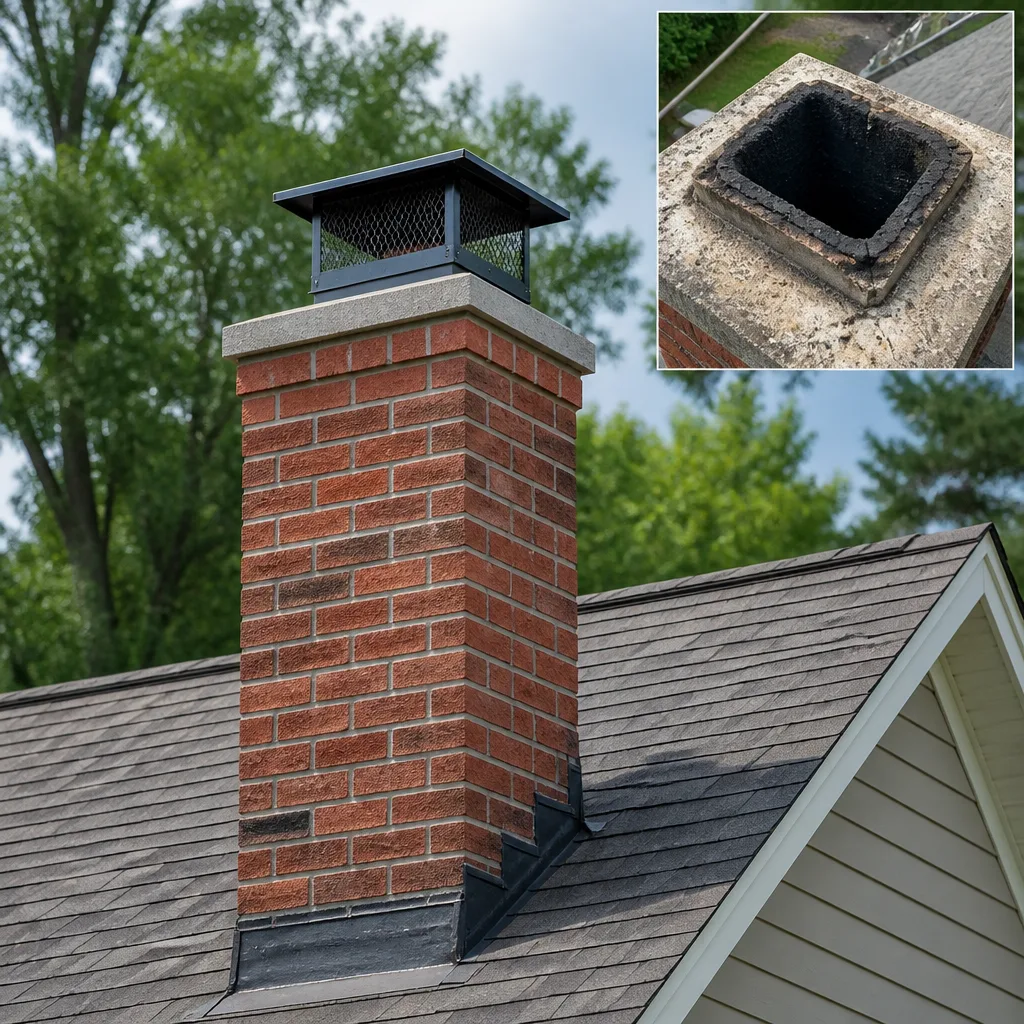 Sweep & inspection
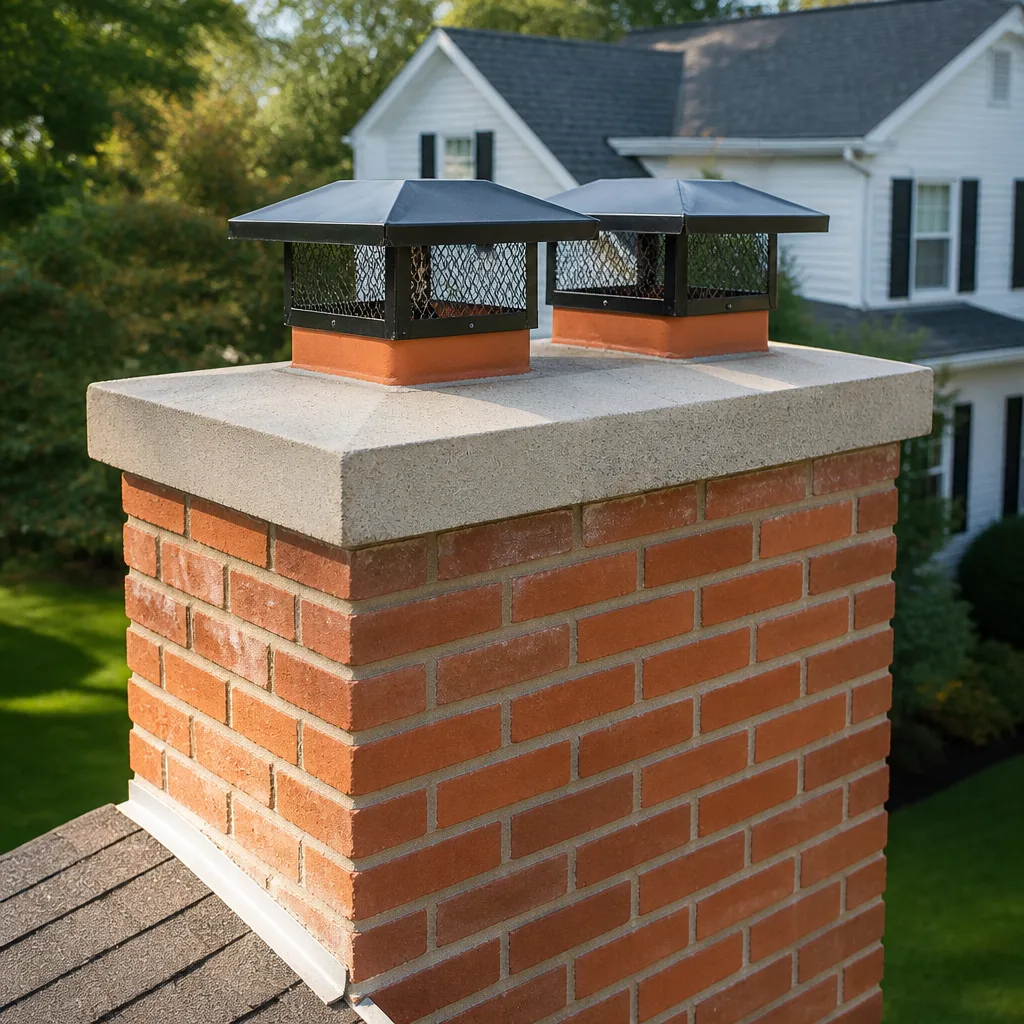 Caps & crowns
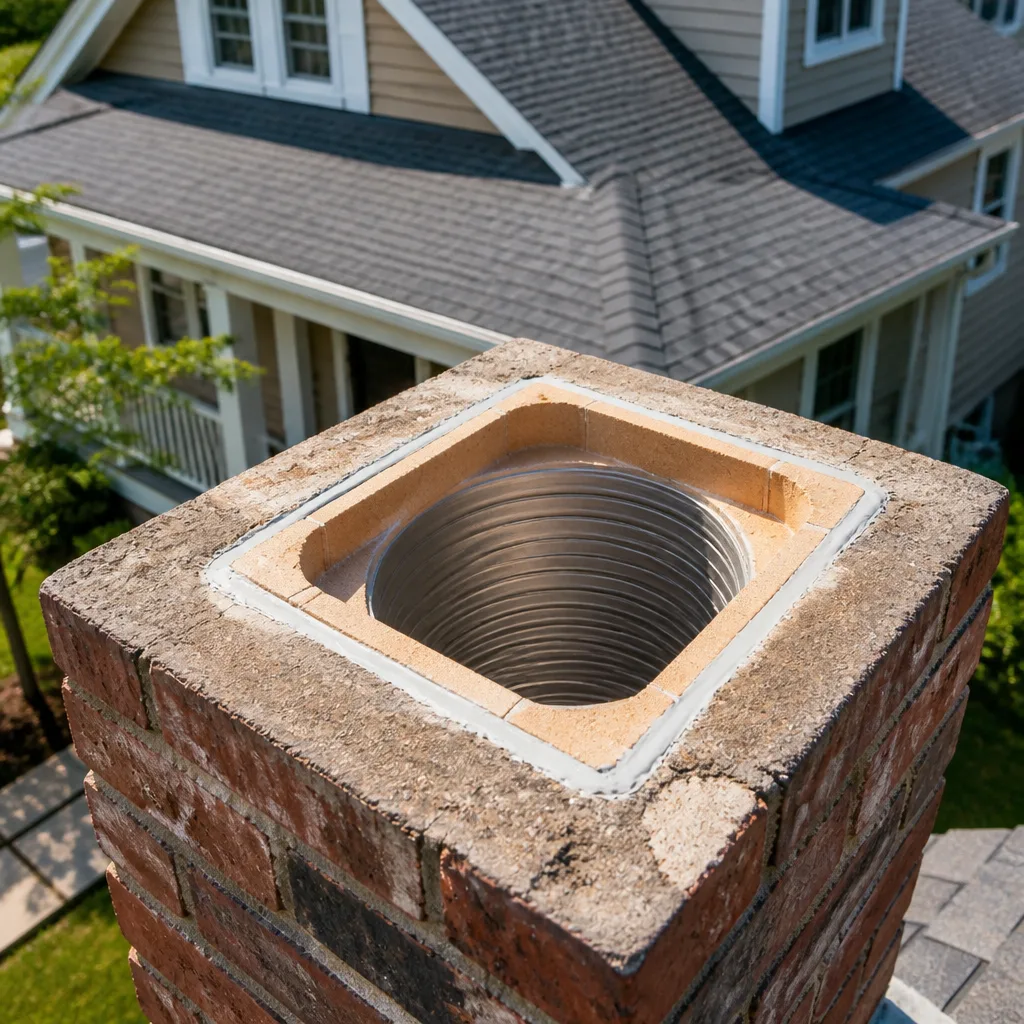 Flue relining
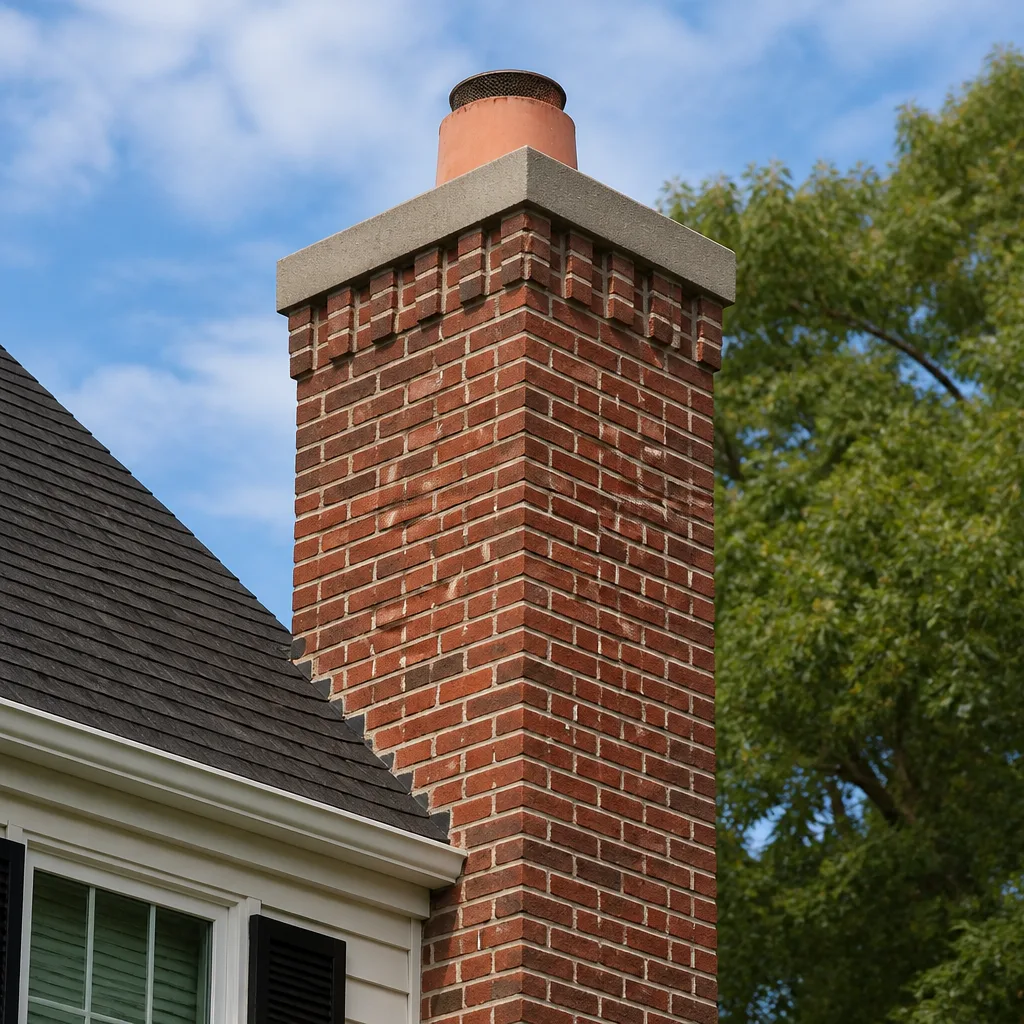 Masonry repair
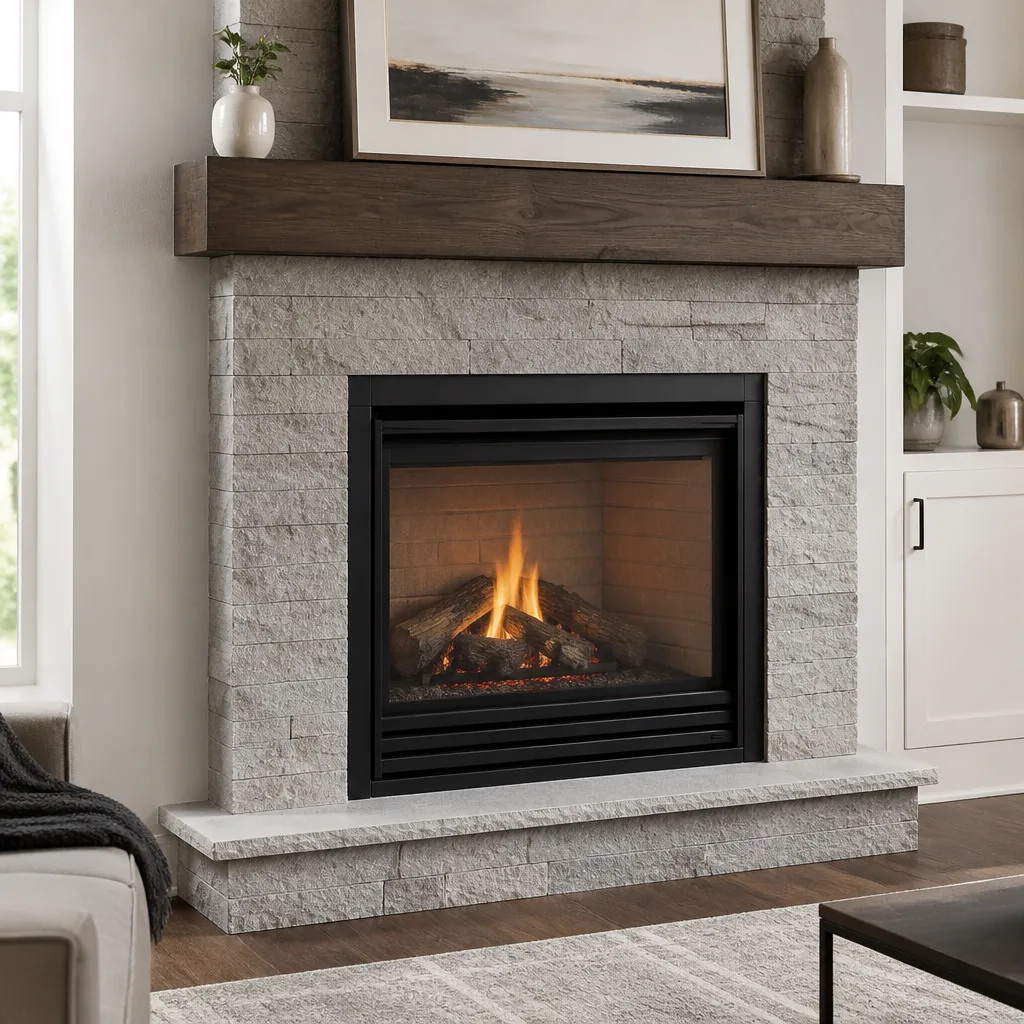 Gas fireplace service
Level 1 sweep and inspection to the NFPA 211 annual standard - flue, crown, cap, and flashing checked and photographed
Chimney sweep logs do not sweep chimneys. They loosen some creosote - which then falls where a brush and vacuum still have to collect it.
DIY vs Professional Chimney Cleaning: The Fayetteville Homeowner’s Decision Guide
The brush work is the easy part. Running a poly brush down a flue with the right rods is a physical job almost any able homeowner can manage, and no honest sweep will pretend otherwise. What you can’t do from inside your own chimney is see it the way someone trained to read it looks at it. The reason a professional cleaning costs what it costs has less to do with labor and more to do with the observations made during and after the brushing, and that observational layer disappears the moment you take the brush into your own hands. This guide breaks down what DIY brushing actually accomplishes, what it can’t, and how to decide which route fits your Fayetteville home.
Quick Answer
DIY chimney brushing can remove a light, routine layer of soot and is a reasonable between-visit task for a careful homeowner with proper tools. It cannot substitute for a professional cleaning and inspection, because a homeowner brushing their own flue has no way to spot the liner cracks, third-degree creosote, or firebox deterioration that drive real repair decisions and matter for insurance. If you want the chimney genuinely assessed, you need someone trained inside it. For a free estimate in Fayetteville, call (855) 608-7738.
Styles & brands we work with
- Sweep & inspection
- Caps & crowns
- Flue relining
- Masonry repair
- Gas fireplace service
Table of Contents
- What DIY Chimney Brushing Actually Accomplishes
- What DIY Cleaning Can’t Tell You
- The Inspection Findings That Only Surface When a Trained Sweep Is Inside the Flue
- Real Equipment Costs vs. the Cost of a Professional Sweep
- When DIY Maintenance Between Professional Visits Makes Sense
- The Insurance and Liability Angle Fayetteville Homeowners Overlook
- Why Fayetteville Chimneys Age the Way They Do
- Common Mistakes to Avoid
- When to Call a Professional
- Frequently Asked Questions
What DIY Chimney Brushing Actually Accomplishes
Let’s be direct about this, because the chimney trade has two bad habits: dismissive pros who tell homeowners DIY is pointless, and YouTube-optimists who imply anyone can do everything. Neither is true. A homeowner with a properly sized brush, a set of fiberglass rods, and a decent shop vacuum can remove a light, dry soot layer from an accessible straight flue. That’s a real accomplishment, not a pretend one.
What a basic DIY brush pass handles well:
- Loose, dry soot from light to moderate burning of seasoned wood
- Surface dust and ash settled in the smoke chamber above the damper
- Lower flue walls where brushing can reach without significant disassembly
- Cobwebs, dust, and general debris in the firebox and the smoke shelf area
What a basic DIY pass does not handle, even when it looks done:
- Glazed or hardened creosote, which doesn’t yield to a poly brush
- Offset or angled flues, where rods bind and the brush doesn’t contact the far wall
- Hidden liner sections above a damper or behind a smoke chamber transition
- Any judgment call about what the deposit itself means about your burning habits or your flue
In our experience in Fayetteville, the sticking point isn’t the brushing motion. It’s the moment after: standing back at the bottom of the flue and knowing what you’re looking at. A professional chimney sweep isn’t charging for the brush. They’re charging for the read, and that read is what every downstream repair or no-repair decision hangs on.
What DIY Cleaning Can’t Tell You
A homeowner runs a brush, sees what came out at the bottom, and calls the job done. A trained sweep runs the same brush, then runs a camera and a light and looks at things the homeowner never thought to check. That gap is where real information lives, and it’s what makes the case against DIY, not the work itself.
Here’s what typically gets missed:
Liner condition. Clay tile liners crack, spall, and shift with settling and heat cycling, and the crack is often on the back side of a tile facing a wall, invisible from the bottom. A stainless liner can have a failed seam or a compromised connection at the top plate. You cannot spot any of this with a flashlight taped to a broomstick. You need a camera on a rod and a trained eye on the monitor.
Creosote stage. The trade classifies deposit in three stages. Stage 1 is flaky and brushable. Stage 2 is tar-like and stiff. Stage 3 is glazed, hard, and needs chemical treatment or, in some cases, professional rotary cleaning before it can be reduced to something that can be swept. A homeowner can’t classify what they’re looking at because most haven’t seen all three stages side by side. Misreading Stage 3 as Stage 2 and burning again is how you get into real trouble.
Firebox and smoke chamber deterioration. Cracked firebrick, mortar joints that have receded, and a smoke chamber with parged walls that have spalled are all things a trained sweep checks on every visit. None of them announce themselves with obvious symptoms until they’ve progressed.
Draft and pressure issues. A flue that doesn’t draft properly can look clean and still smoke back into the room. Diagnostics for that are their own skill set, involving pressure testing and an understanding of how the house itself interacts with the chimney.
A chimney inspection should give you a document, not just an opinion. That document is what your insurance carrier may want, what a future buyer will ask for, and what lets a sweep say plainly when work can wait. None of that emerges from a DIY brush pass, no matter how thorough.
The Inspection Findings That Only Surface When a Trained Sweep Is Inside the Flue
Many of the most consequential chimney findings are also the quietest. They don’t cause an obvious problem on the day they develop, which is exactly why they’re the ones that matter most at inspection. Here are the categories we look at on every job, and why none of them reliably surface from a DIY clean.
- Hairline to full-width liner cracks. Even a small crack in a clay tile lets heat and embers reach combustible framing within the chimney chase. A camera pass reveals cracks the eye can’t see from the firebox.
- Stage 3 creosote glazing. Glazed deposit is the fuel source in a chimney fire. It’s not always visible from the damper, and it doesn’t respond to a standard poly brush.
- Firebox mortar and firebrick deterioration. Receded joints in the firebox allow heat to reach the surrounding masonry in ways the firebox wasn’t designed for.
- Damper and smoke shelf problems. A damper that doesn’t seal or a smoke shelf that’s lost its shape affects draft and is easy to overlook during a quick brush pass.
- Crown and flashing condition at the top. Water intrusion from a failed crown or flashing is one of the most common causes of long-term chimney damage, and it’s nearly impossible to assess from inside the house.
- Cap integrity and spark arrestor condition. A cap that’s lost its mesh or an arrestor that’s sagging affects both safety and the amount of water that gets into the flue.
Once we know what the flue actually needs, we recommend accordingly. If a liner has localized damage but the surrounding structure is sound, HeatShield ceramic resurfacing can restore the flue without tearing out the chimney, which is where the significant cost savings come in. If a flue is offset or an older chimney can’t accept a rigid liner, DuraFlex flexible liner systems are the professional standard for that retrofit. The point isn’t to sell a repair on every visit. The point is that without an inspection, you don’t have the information to make that call honestly.
Real Equipment Costs vs. the Cost of a Professional Sweep
The honest math on DIY starts with a list of what a proper setup actually costs. A homeowner who wants to sweep their own chimney safely and effectively needs more than a brush from the hardware store. Here’s a realistic roundup of the gear involved:
- Chimney brush, correctly sized to the flue (round for round flues, square for square): $40-$90
- Fiberglass rod set, typically 15 to 25 feet: $80-$180
- HEPA-rated shop vacuum or a chimney-specific vac with a fine-particulate filter: $150-$400
- Respirator with appropriate filter cartridges: $30-$60
- Drop cloths, plastic sheeting, and tape for sealing the firebox opening: $20-$40
- Safety glasses, nitrile gloves, coveralls: $40-$70
- Handheld camera or mirror set for a basic look up the flue: $30-$200 depending on quality
That’s a realistic first-year outlay in the $400-$1,000 range, and it doesn’t include the learning curve. It doesn’t include time: the job takes most first-timers half a day, and cleanup is longer than the actual brushing. It also doesn’t include the fact that if your flue is offset, angled, or has a damper assembly in the way, half that gear won’t reach everywhere it needs to.
Compare that to a professional sweep, which includes the brushing, the camera inspection that follows, the photo documentation, and the trained eye that turns all of it into information you can act on. Most Fayetteville homeowners who run this math come out ahead on a professional sweep once they factor in the observation layer they get with it. And the written estimate sets the final price, so there are no surprises when the job is done.
When DIY Maintenance Between Professional Visits Makes Sense
There is a real, useful role for DIY in a well-maintained chimney. Between professional cleanings, a careful homeowner can keep up with housekeeping tasks that reduce deposit buildup and make the next professional visit more productive. That’s genuinely appropriate and we support it.
DIY-friendly between-visit tasks:
- Ashing out the firebox once ash depth exceeds a couple of inches, using a metal bucket and a metal shovel, and never a shop vac for warm ash.
- Visual check of the firebox for obvious cracked brick or receded mortar joints before every burn season.
- Damper operation check to confirm it opens fully, closes fully, and isn’t binding.
- Cap and crown visual inspection from the ground with binoculars, checking for obvious damage or debris after storms.
- Burning seasoned wood (split, stacked, air-dried) which is the single most effective way to slow creosote formation and is entirely within a homeowner’s control.
- Keeping the firebox area clear of stored items, decor, and anything else that could end up too close to a hot appliance.
For the actual flue cleaning and inspection, the honest recommendation is to bring in a professional, even for the annual routine. The flue is where the information lives, and the flue is exactly what a homeowner can’t observe properly from the bottom. A Fayetteville homeowner burning several cords a season may need a sweep more than once a year, and a professional can tell you the right cadence based on your appliance, your wood, and how your flue is actually loading up.
The Insurance and Liability Angle Fayetteville Homeowners Overlook
This is the part of the DIY conversation that rarely comes up until it matters, and then it matters a lot. If a chimney fire damages your home and your carrier asks for documentation of routine maintenance, a homeowner’s own record of “I brushed it myself” is not the same as a professional inspection report. Many homeowners’ policies expect routine chimney maintenance as a condition of coverage for chimney-related losses, and documentation is how you demonstrate that maintenance happened. Ask your own carrier what they require, because policies vary, but the principle is consistent: a professional inspection produces a document, and a document is what survives a claim review.
The same logic applies on the resale side. When a Fayetteville home goes on the market with a wood-burning fireplace or a masonry chimney, buyers and their agents increasingly ask for a chimney inspection as part of due diligence. A professional inspection produces the documentation that satisfies that conversation. A homeowner who’s been brushing their own flue doesn’t have that document, and the gap can become a negotiation point or, worse, a delayed closing.
For our part, our chimney repair work is inspected and documented the same way – the crew that inspects is the same trade that repairs, so there’s no finger-pointing between contractors if something needs attention later. If your insurance carrier requires documentation for a specific matter, tell us at booking and we’ll make sure the inspection report is structured to serve that purpose.
Why Fayetteville Chimneys Age the Way They Do
Chimneys don’t age the same way everywhere, and a few things about the Fayetteville area shape how they wear here.
The climate is humid and warm for much of the year, with a real burn season in the cooler months. That combination does two things. First, the humidity drives masonry moisture cycling: the chimney absorbs moisture during the humid stretches, then heats up during a burn, then cools again. Each cycle works at the mortar and parging a little. Second, the burn season here is often concentrated – many Fayetteville households burn hard for a few months and then leave the fireplace largely dormant the rest of the year, which means the deposit builds during a short window and then sits. Sitting creosote is exactly the creosote that hardens into the more difficult stages.
Housing stock matters too. The Fayetteville area has a wide mix of older masonry chimneys from mid-century neighborhoods and newer installations with modern liners and inserts. The older masonry builds tend to be the ones where liner resurfacing products like HeatShield come into play, restoring the interior without a full reliner tear-out. The newer builds are more likely to need a camera inspection to confirm the liner is still in good shape after years of use. Either way, the age of the house tells you what kind of inspection is warranted, not whether you need one.
What Fayetteville does not have is a salt-air corrosion problem or a hail problem. Those aren’t factors here, and any sweep who tells you otherwise is selling something. The local wear factors are humidity cycling, concentrated burn seasons, and the age of the chimney itself.
Common Mistakes to Avoid
- Skipping the inspection because you swept it yourself. The brush removes deposit; the inspection reads the flue. Doing the first without the second means operating on partial information, and partial information is how small problems become expensive ones.
- Assuming a clean flue is a safe flue. A flue can look perfectly clean and still have a cracked liner or a failing damper. Cleaning and inspection answer different questions, and one doesn’t substitute for the other.
- Buying the wrong brush size. A brush that’s too small doesn’t contact the flue walls; a brush that’s too large binds and can damage tile. Correct sizing matters more than most DIY guides admit.
- Leaving the firebox unsealed before brushing. This is the most common DIY mistake and the one that drives the “I’ll never do that again” phone call. A proper seal on the firebox opening with plastic and tape keeps the soot out of the living space.
- Burning unseasoned wood to save money. Green or wet wood is the biggest single driver of fast creosote buildup. It’s not a chimney mistake so much as a burning mistake, and it costs more in cleaning than it saves in firewood.
- Burning trash, wrapping paper, or treated wood. These produce deposit that’s harder to sweep and can introduce corrosive compounds into the flue. A fireplace is not a wastebasket.
- Delaying a professional inspection past the fall rush. Booking a sweep before the burn season starts is easier than trying to get one in the middle of it, and it lets you start the season with a documented baseline.
When to Call a Professional
Some situations call for a professional sweep, and DIY brushing isn’t the right call even for a confident homeowner.
Call a professional if you’re seeing any of these:
- A glazed, tar-like deposit visible when you shine a light up the flue, which indicates creosote past the brushable stage
- A smoky smell in the house when the fireplace isn’t burning, which often points to a draft or pressure issue that needs diagnosis
- Visible cracks in the firebox or liner, or a firebox that’s lost mortar between bricks
- An unfamiliar chimney in a newly purchased home, where you have no maintenance history to draw on
- An insurance carrier or real estate transaction requiring documented inspection
- A chimney fire, which requires professional inspection before the fireplace is used again, no exceptions
Delmar Chimney Sweep offers free estimates in Fayetteville. Call (855) 608-7738. We answer 24/7. Fast dispatch from 7am to 7pm, Sunday through Friday. Our technicians have up to experience, and the same trade that inspects your flue is the trade that repairs it if repair is genuinely needed.
Frequently Asked Questions
A routine chimney sweep in Fayetteville is typically priced per job, and the written estimate sets the final price, so the right way to know the number for your home is to book a free estimate. The cost depends on the flue configuration, how many appliances connect to the chimney, and whether an inspection is included with the sweep. Call (855) 608-7738 for an exact quote – estimates are free.
Yes, if you want information you can act on. DIY brushing removes deposit; it doesn’t tell you whether the liner is cracked, whether the firebox is deteriorating, or what stage your creosote has reached. Those are the findings that drive real repair decisions and matter for insurance. A professional inspection is the only way to see what’s actually happening inside the flue. Call (855) 608-7738 to book an inspection report you can keep on file.
Most wood-burning chimneys in Fayetteville need an annual sweep and inspection, and homes that burn several cords a season may need a sweep more often. The right cadence depends on your appliance, your wood, and how much deposit your flue is loading up. A professional inspection establishes the baseline; subsequent visits can be scheduled against what your chimney is actually doing. Call (855) 608-7738 for a free estimate on your next sweep.
Creosote accumulates and hardens, and a chimney fire is the well-documented consequence of an over-loaded flue. Separately, small liner and firebox problems that would have been caught early become structural repairs that are much more expensive to fix. The risk isn’t hypothetical – it’s the reason every chimney safety code in the country requires maintenance. Call (855) 608-7738 and get the flue assessed before the burn season starts.
Yes, for between-visit maintenance tasks. Ashing out the firebox, checking the damper operation, doing a visual inspection of the firebox, and burning seasoned wood are all genuinely useful things a homeowner can do. Sweeping the flue and inspecting it are not, because the flue is where the information lives. Call (855) 608-7738 and we’ll walk you through what’s safe to handle on your own and what isn’t.
Yes, our inspection service produces documentation suitable for insurance carriers and real estate transactions, and we can work with your insurer on what the report needs to include. Tell us at booking if the inspection is for a claim, a closing, or a specific carrier requirement, and we’ll structure the report accordingly. Call (855) 608-7738 to schedule. Estimates are free.
The Bottom Line
DIY chimney brushing is a real skill and, for many homeowners, a reasonable between-visit task. It is not a substitute for a professional cleaning and inspection, and the gap between the two is not about difficulty. It’s about what you can’t see when you’re the one holding the brush. Liner cracks, Stage 3 creosote, firebox deterioration, and the documentation your insurance carrier may want all require a trained eye inside the flue. If you’ve been brushing your own chimney because you want to save money, we respect that, and there’s a case to be made for keeping the routine brushing in your own hands for the flue, with a professional inspection layered on top. If you’ve been brushing your own chimney because you were told a professional sweep is just marketing, that’s the case we’d push back on, and we’re happy to show you what an inspection actually surfaces. Delmar Chimney Sweep offers free estimates in Fayetteville – call (855) 608-7738 to book one. We answer 24/7. Fast dispatch from 7am to 7pm, Sunday through Friday.
Written by the team at Delmar Chimney Sweep.
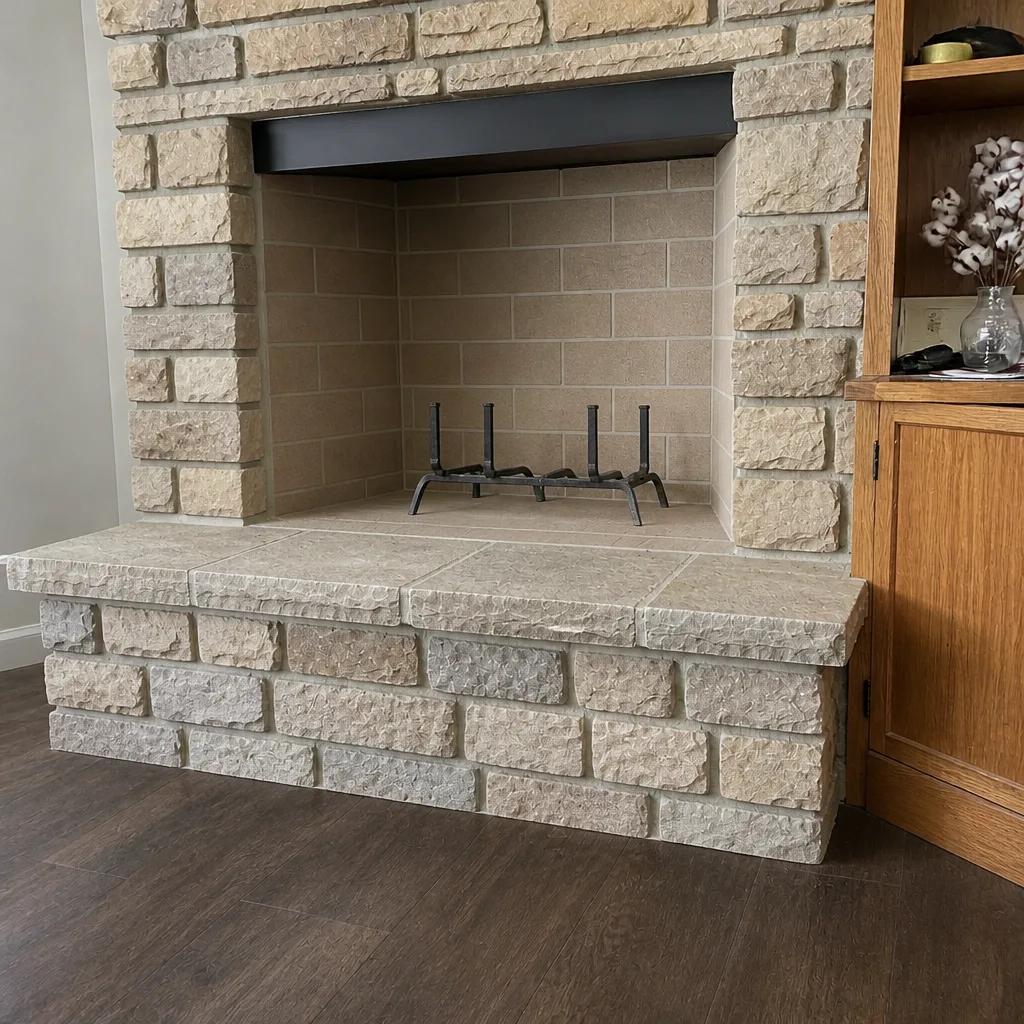
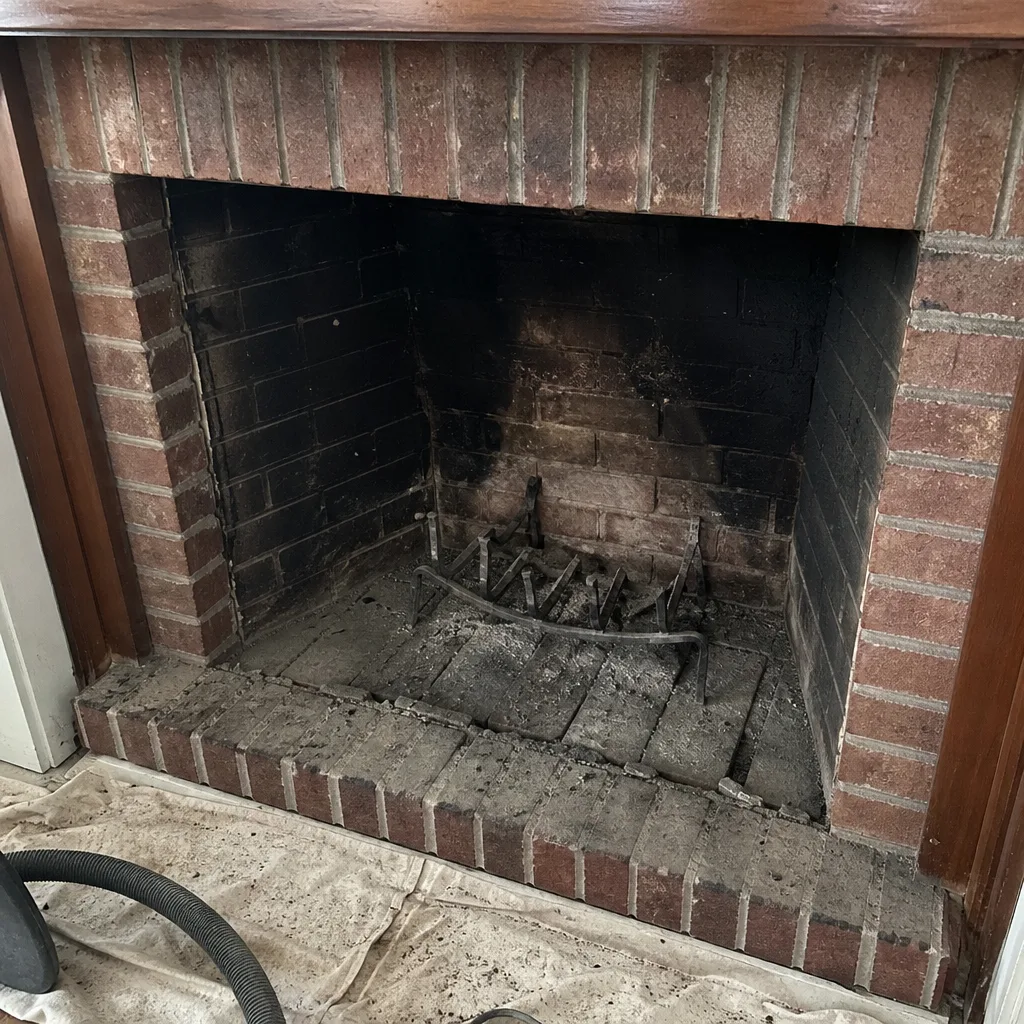
See the difference
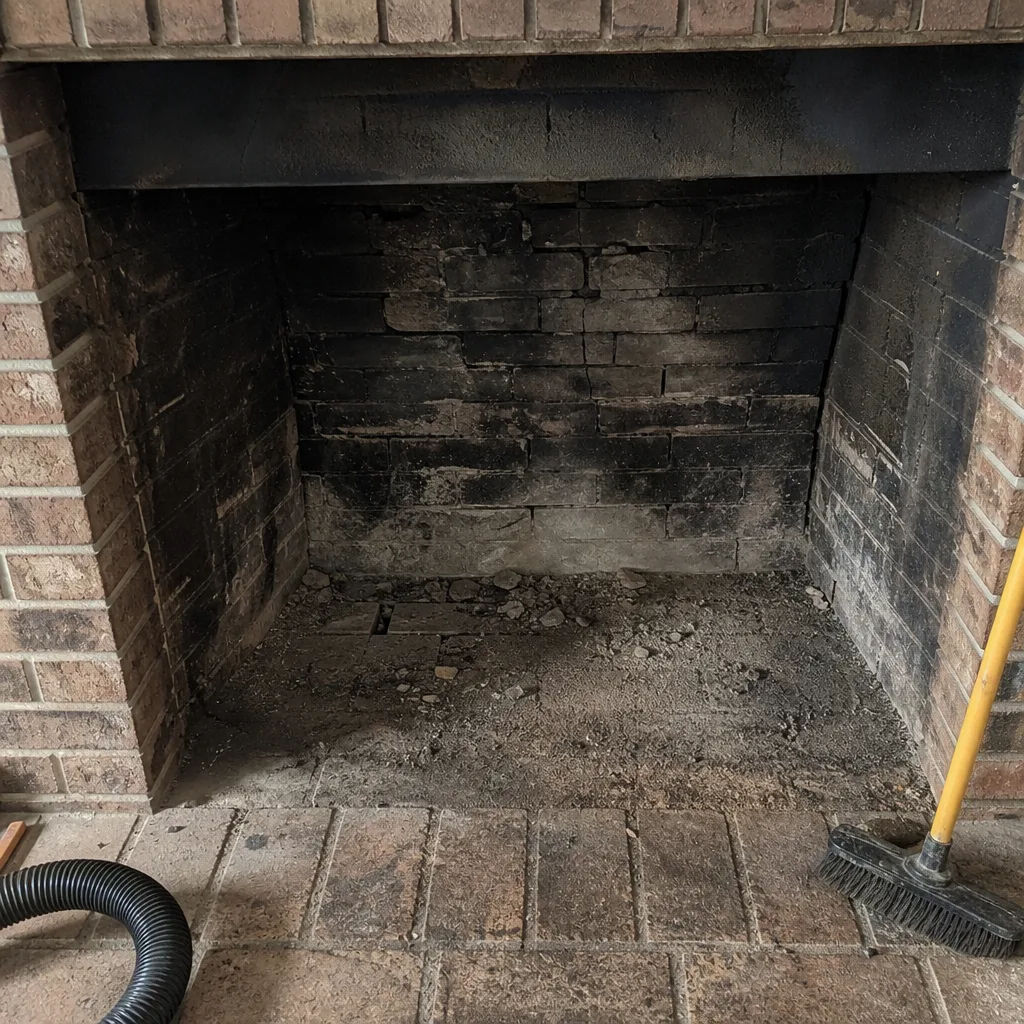 Before
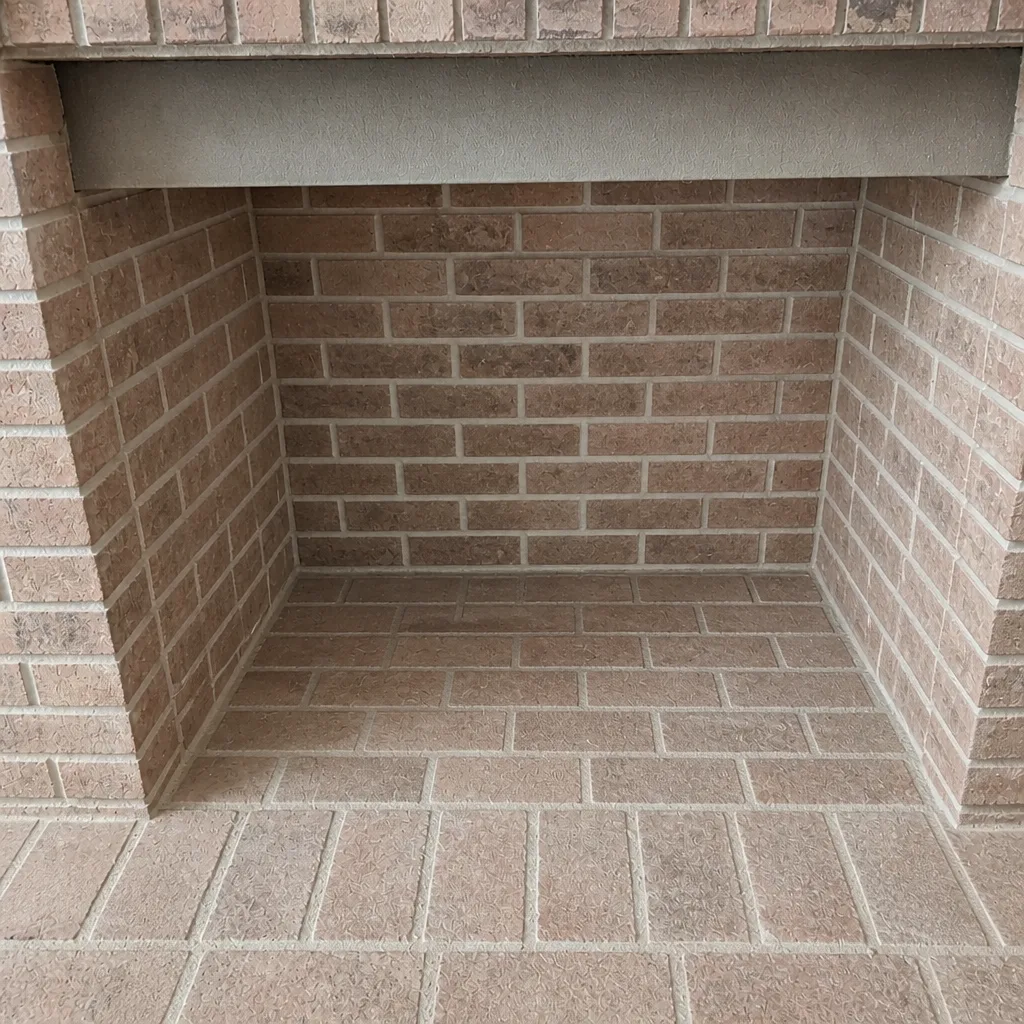 After
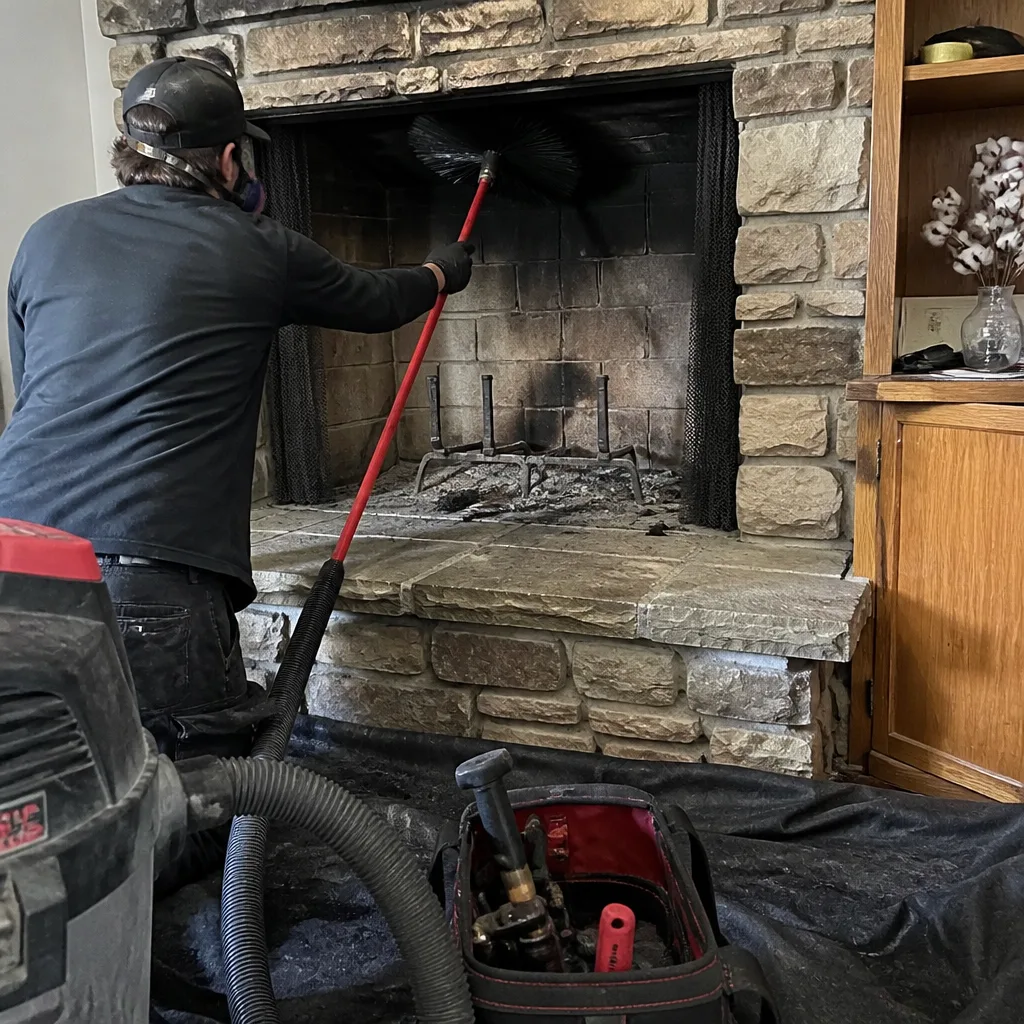 Before
 After
 Before
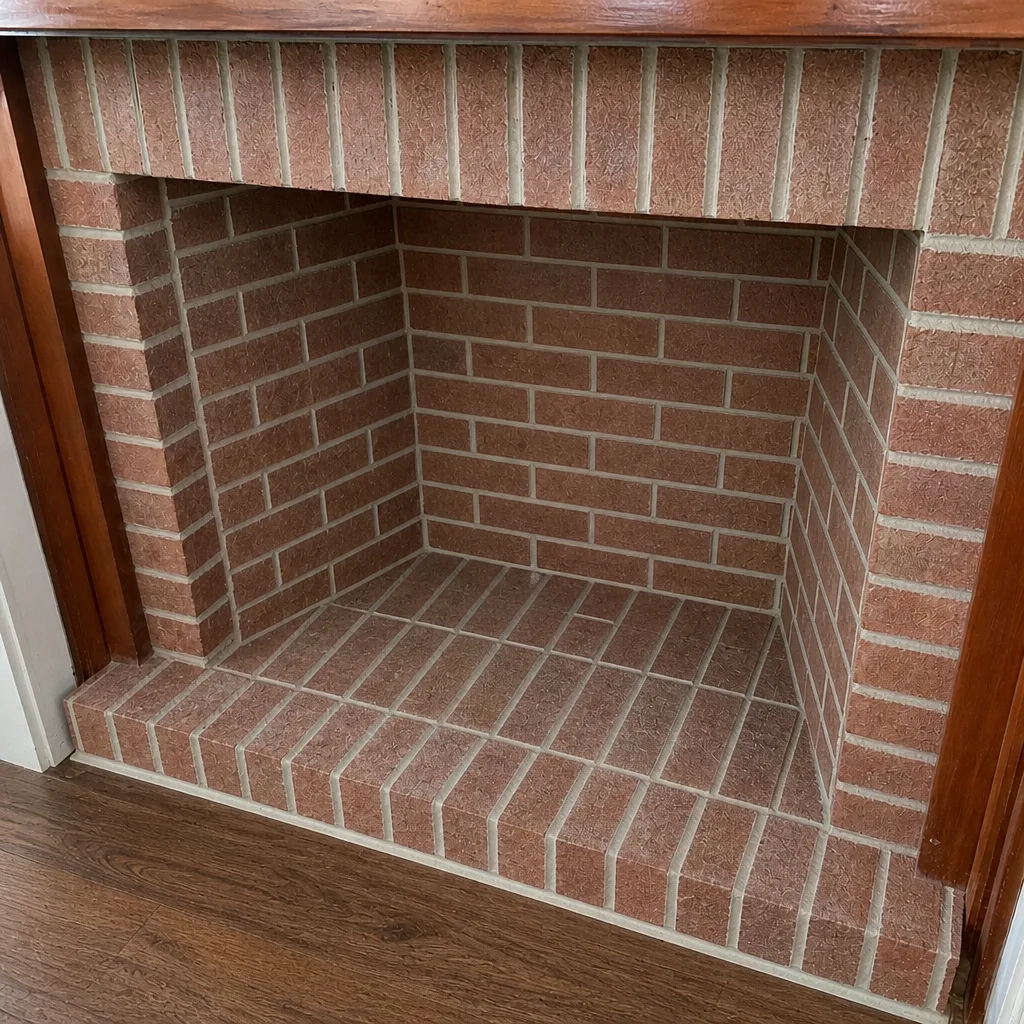 After