
Last updated November 15, 2026
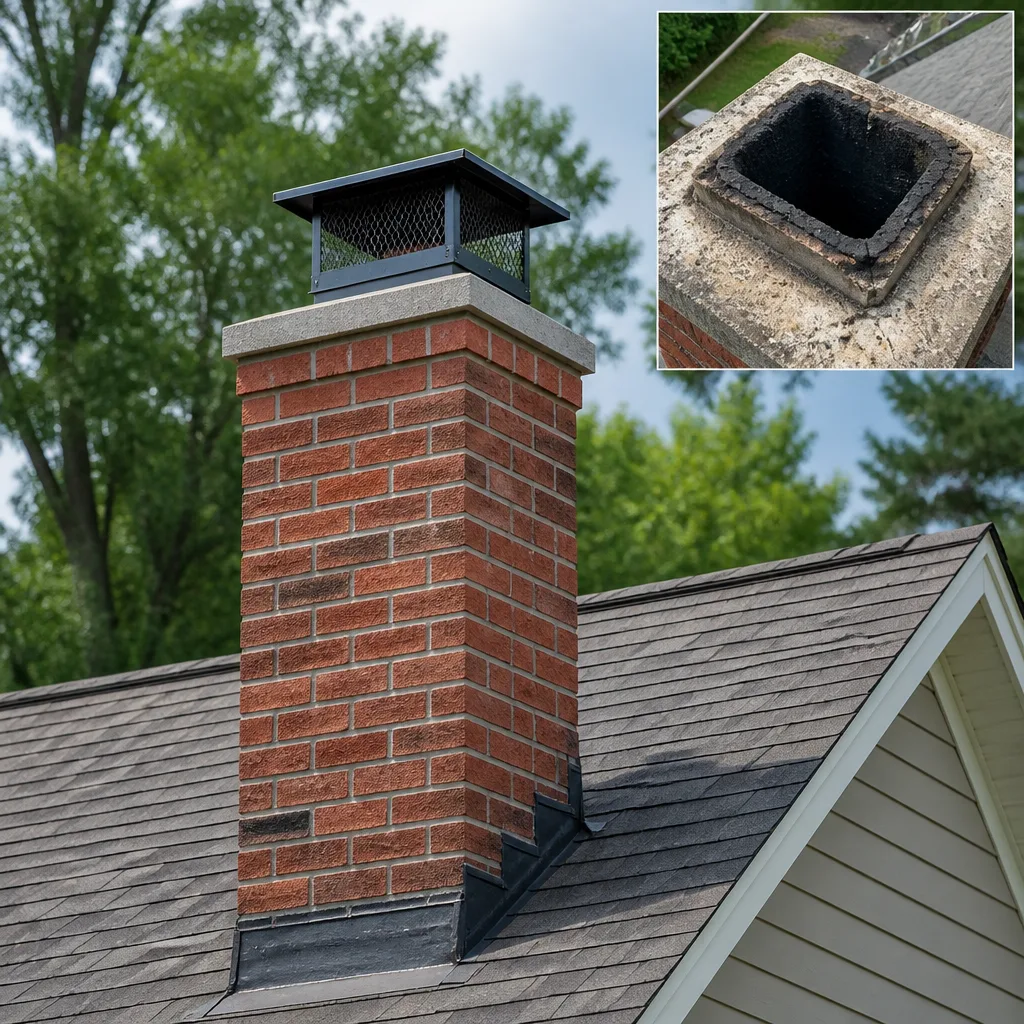 Sweep & inspection
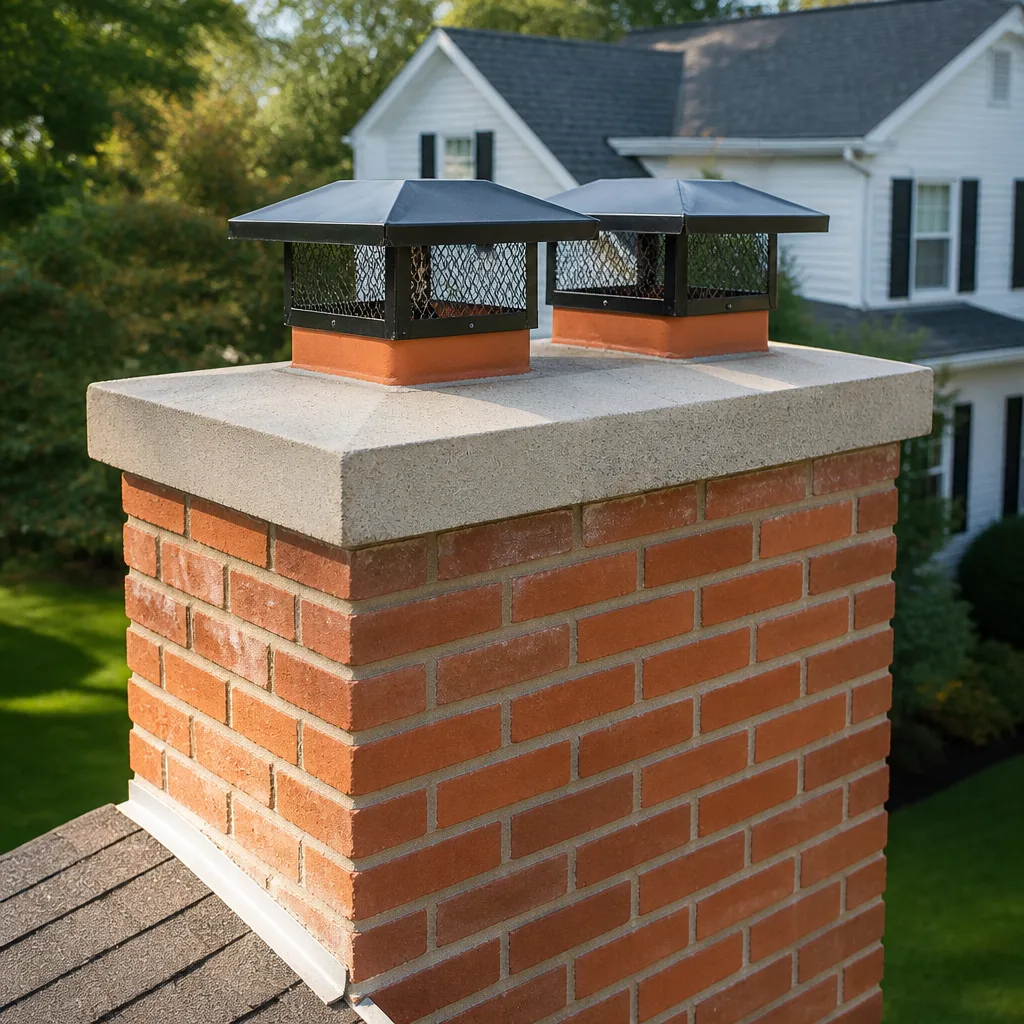 Caps & crowns
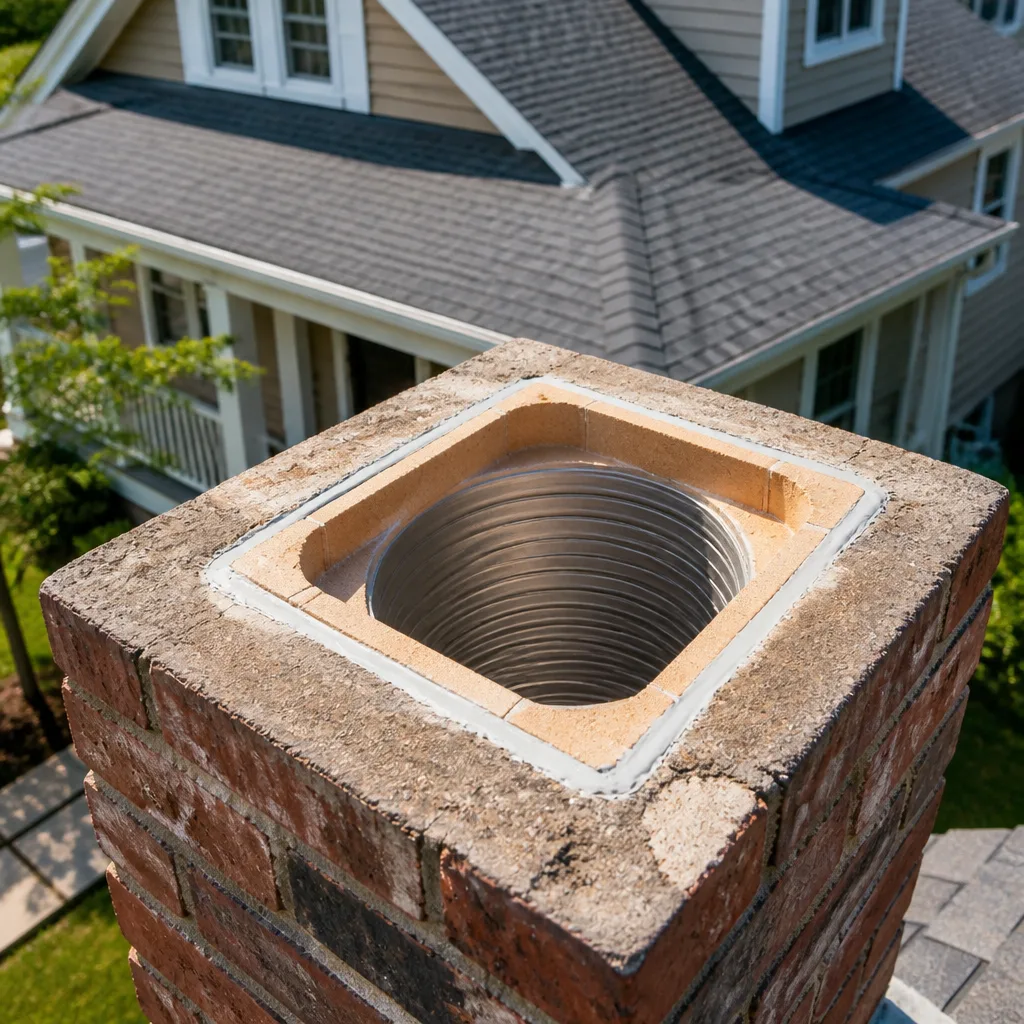 Flue relining
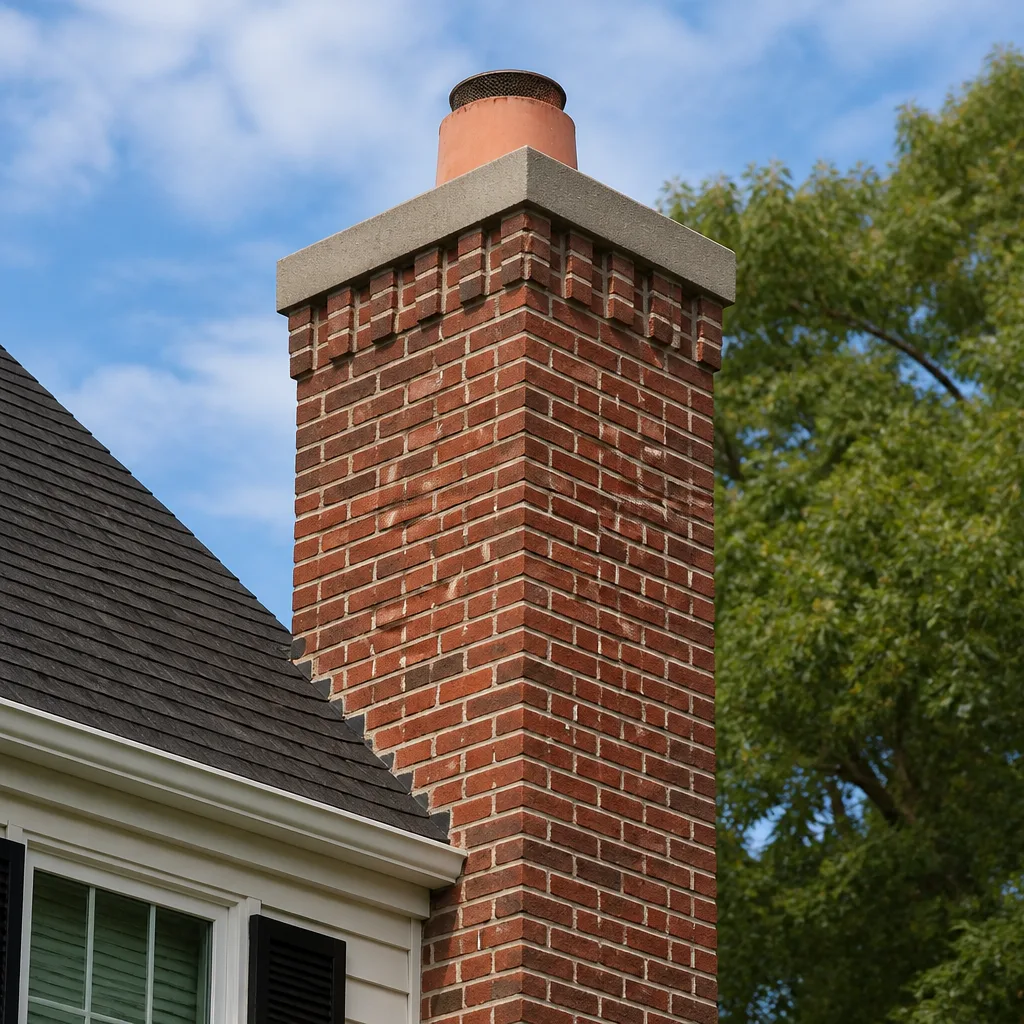 Masonry repair
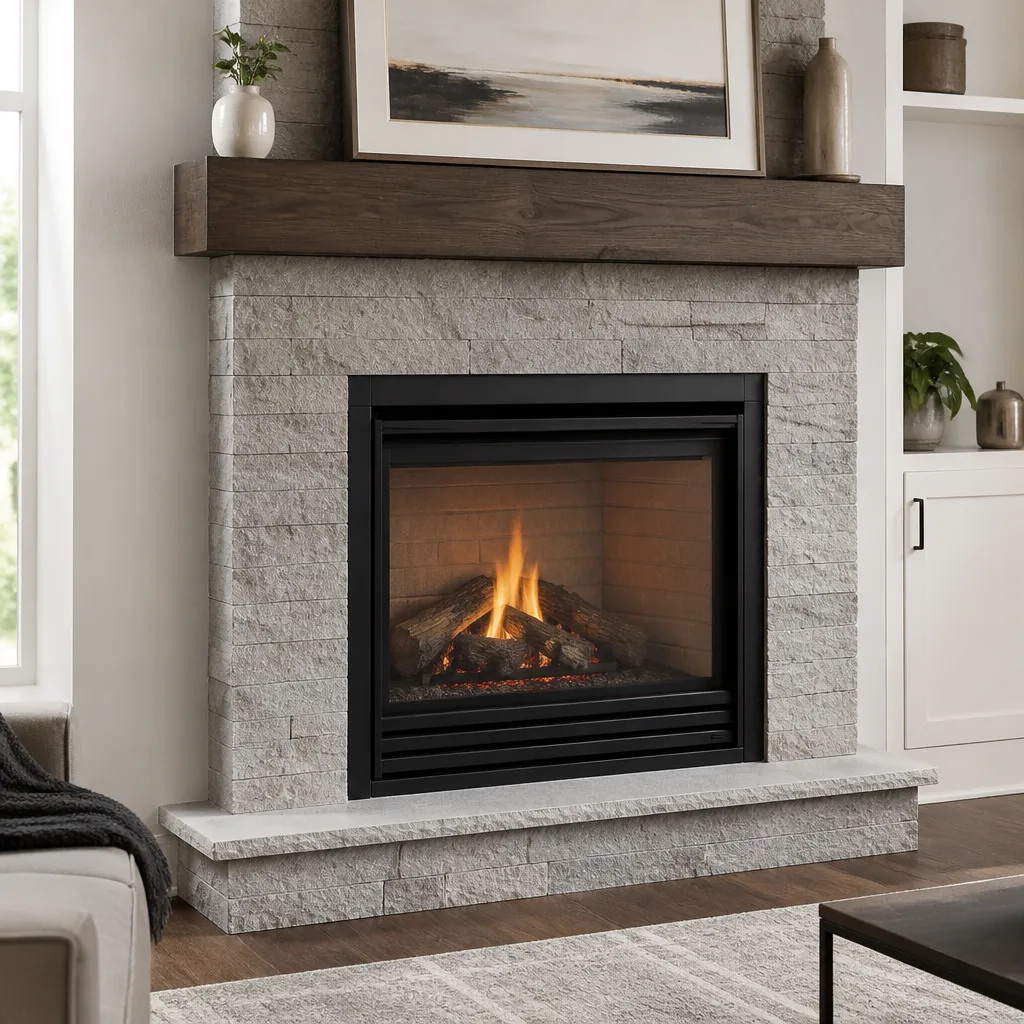 Gas fireplace service
Level 1 sweep and inspection to the NFPA 211 annual standard - flue, crown, cap, and flashing checked and photographed
Chimney sweep logs do not sweep chimneys. They loosen some creosote - which then falls where a brush and vacuum still have to collect it.
Chimney Sweep Maintenance Checklist for Fayetteville Homeowners
Most chimney problems don’t announce themselves with smoke rolling into the living room. They announce themselves months after the water got in. In the humid southeastern climate that shapes Fayetteville, the masonry crown at the top of your chimney takes the worst of the sun and rain, then the mortar joints behind it start to go, and by the time you notice a stain on the damper or a musty smell in the firebox, water has been tracking down the flue for a full season. The checklist below is built around that reality. It’s organized by what you can safely look at yourself and what needs a trained eye, it maps the order in which parts typically degrade here, and it shows you how to keep a year-over-year record so you catch creeping problems instead of reacting to emergencies.
Styles & brands we work with
- Sweep & inspection
- Caps & crowns
- Flue relining
- Masonry repair
- Gas fireplace service
Quick Answer
A Fayetteville chimney maintenance checklist should cover sweeping frequency (annual for most wood-burning fireplaces in use), a top-to-bottom visual inspection each year, and targeted checks on the crown, cap, and mortar joints, which are the components that fail first in this climate. Anything you find on the crown, the flashing, or the interior flue surface is a professional call, not a homeowner fix. Sweeping and inspection should be done by a qualified chimney professional, and repairs should be scoped from what the inspection actually documents.
Table of Contents
- Why Fayetteville Chimneys Age Differently
- The Fayetteville Deterioration Timeline
- What You Can Safely Check Yourself
- What Requires a Technician
- How Often to Sweep in Fayetteville
- How to Document Condition Year Over Year
- When Maintenance Crosses Into Repair
- Materials and Grades Worth Specifying
- Common Mistakes to Avoid
- When to Call a Professional
- Frequently Asked Questions
Why Fayetteville Chimneys Age Differently
Fayetteville sits in the Sandhills region of North Carolina, inland from the coast but stuck in the same humid subtropical air mass. That means long summers with high moisture in the air, a fall that stays warm well into burn season, and winter cold snaps that swing temperatures fast. A chimney here doesn’t face the sustained freeze of a mountain climate, but it does face something a lot of northern chimneys don’t: cyclical wetting and drying over a much longer stretch of the year.
That cycle is what ages masonry. Brick and mortar absorb moisture during humid spells and release it when the weather dries. When water gets into a mortar joint and then a cold night freezes it, the water expands, and the mortar starts to spall and crack. In Fayetteville the freeze-thaw events are fewer than up north, but they arrive after the masonry has had months to soak. One hard freeze after a wet fall does more damage than a dozen freeze cycles in a dry climate.
The other local factor is the type of masonry around town. Older neighborhoods in Fayetteville have a lot of soft brick and lime mortar from an era when masonry was built to breathe. That masonry is forgiving in some ways and brittle in others. Hard, modern Portland-based mortar repointing over old soft brick can trap moisture and cause the brick face to spall. This is one reason we look closely at what a chimney was built with before we specify a repair. Manufacturers like Gelco and HeatShield make products that are designed to match the substrate rather than fight it, and that matters more in a climate that keeps masonry damp for months at a time than it would in an arid one.
If you want a broader overview of how the three core services fit together, the main Delmar Chimney Sweep page lays out sweeping, repair, and inspection as separate, clearly scoped services.
The Fayetteville Deterioration Timeline
Chimney components don’t all fail at the same rate. In this climate, they tend to go in a predictable sequence, and knowing the sequence lets you build a checklist around the parts most likely to fail next. Here’s roughly what we see, in order of what typically shows wear first:
- The crown. The concrete slab at the top of the chimney is the most exposed surface on the whole structure. It takes sun, rain, and the flat standing water that pools in low spots. A hairline crack in the crown is a gutter for water into the masonry below. This is almost always the first thing to go.
- The cap. A missing or damaged cap lets rain straight down the flue and lets animals in. Caps degrade from UV, wind, and the same moisture cycle as everything else. A cheap cap rusts out or cracks within a few seasons.
- The mortar joints. Once the crown is letting water into the top courses, the mortar joints just below the crown start to soften. This is where the deterioration becomes visible from the ground to a trained eye, and where most repair work begins.
- The flashing. The metal that seals the chimney to the roof is the joint most likely to leak on any roof, and it’s often ignored because it’s hard to see. Flashing failure shows up as a ceiling stain far from the chimney, not at the chimney itself.
- The interior flue liner. The clay tile liner inside the chimney cracks under heat stress and moisture. By the time a liner cracks, the water problem that caused the crown crack has been working on the masonry for at least a season. Cracks are also the entry point for carbon monoxide into the house, which is why the liner is the component we treat most seriously.
By the time the interior liner shows damage, the checklist items above it have been failing, often for a year or more. That’s the compound failure pattern this page is designed to interrupt. Catching a crown crack early is a small repair. Catching it two years late means re-pointing, resurfacing, or in some cases a full reline.
What You Can Safely Check Yourself
Plenty of chimney maintenance is observation, and you can do that with your own eyes and a pair of binoculars. What you should not do is climb anything, open anything, or put a tool to any part of the flue. The checklist below is entirely about looking and recording, and it’s the foundation of a good year-over-year record.
- From the ground, with binoculars: check the crown for visible cracks or crumbling, the cap for missing pieces or a sagging screen, and the brickwork near the top for white staining or missing mortar. Take a dated photo.
- At the firebox, cold and empty: look up at the damper with a flashlight. You’re checking for rust, daylight, or debris. You are not reaching up into anything.
- On the roof-adjacent side, from a window or ladder-free vantage: look for missing flashing, gaps where the chimney meets the roof, or staining on the siding near the chimney.
- Inside the house: check the ceiling near the chimney, especially in an upstairs room, for water stains or discoloration. Check that smoke alarms and carbon monoxide detectors have fresh batteries and test them.
- The firebox floor: look for loose brick, crumbling mortar at the firebox seams, or rust on the grate. These are signs the firebox needs attention.
- The woodpile: confirm you’re burning seasoned wood, not green wood. Wet wood creates more creosote and more smoke, which is the leading driver of annual sweep necessity.
What you should never do yourself: climb the roof to inspect or repair anything, open the flue to look for cracks, try to remove creosote, or apply any product to the chimney interior. High work and the interior of a flue are the two places where a homeowner gets hurt or causes damage that costs more than the original problem.
What Requires a Technician
The parts of the checklist that matter most are the ones you can’t safely do. A professional chimney inspection looks at every surface with the right camera and the right training, and produces a document. That’s the standard we hold ourselves to: a chimney inspection should give you a document, not just an opinion.
What a technician check covers that you can’t do from the ground:
- Crown and top courses, from above, with the chimney cap removed and the surface touched, not just photographed.
- The interior flue liner, scanned with a camera top to bottom. We’re looking for cracks, gaps, and spalling that a flashlight can’t show.
- The smoke chamber and damper, checked for integrity and operation.
- The firebox, checked for cracks in brick or refractory material.
- The flashing and roof seal, checked from the roof surface, not from below.
- Creosote buildup at each level of the flue, graded by thickness, which determines whether a sweep is due.
We use HeatShield ceramic resurfacing for qualifying damaged flues, which is the documented alternative to full relining. When a flue is cracked or pitted but structurally sound, resurfacing restores the interior without tearing the chimney apart. That’s not a shortcut; it’s a technique the industry specifies for exactly this condition, and it saves the cost of a full reliner when the flue qualifies. Not every flue does, and part of the job is telling you honestly which side of the line yours falls on.
How Often to Sweep in Fayetteville
For most Fayetteville homes with a wood-burning fireplace in regular use, an annual sweep is the baseline. If you burn a few cords a year, that’s once per season. Gas inserts and gas log sets need less frequent sweeping but still need an annual inspection, because gas appliances produce their own moisture and can degrade the flue in ways wood doesn’t. Older masonry chimneys that have been in service for decades should be swept based on what the inspection shows, not just the calendar.
A few practical guidelines for scheduling:
- Sweep before the first burn of the season. Getting it done in early fall, before you light the first fire, means you’re not waiting in a line in December.
- Wood-burning fireplaces in heavy use: annual, sometimes twice a year if you burn continuously through the winter.
- Gas inserts and gas log sets: annual inspection, sweep as indicated.
- Unused chimneys: still inspect annually, because a chimney that’s never been swept is not necessarily clean, and an unused flue is still a way for water and animals to get in.
- After any chimney fire or a significant weather event: sweep and inspect before you burn again.
If you’re not sure whether you’re due, the chimney sweep service page is the place to start. A sweep first, an honest assessment second, and a repair only if the flue actually needs one is the order we work in. That sequence costs less than getting the cart before the horse.
How to Document Condition Year Over Year
Most homeowners think about chimney maintenance only when something goes wrong. That’s backwards. A chimney fails slowly, and the way to catch slow failure is to keep a record. A dated file of photos and inspector notes turns a problem from “when did this start?” into “we can see exactly when this started, and it’s a two-year-old crack, not a new one.”
Here’s the process we recommend for a Fayetteville homeowner keeping a chimney maintenance file:
- Start a simple folder (paper or digital) with the year at the top and a short note for each inspection: date, inspector, what was checked, what was found.
- Keep the inspector’s report. A real inspection produces a document. Save it, even if the findings are minor. Next year’s inspector can compare against it.
- Take a dated photo of the crown and cap every year from the ground with your phone, same angle, same zoom. The change is subtle year to year and obvious over five.
- Note any interior changes: new stains, new smells, drafts, or a change in how the fireplace draws. A draw change is often an early sign of a flue issue.
- Keep receipts for any repair, including the material name and brand. If a contractor ever replaces part of your system, knowing what went in matters for future work.
- Bring the file to a real-estate transaction if you’re selling. A documented chimney history is a selling point in Fayetteville and it answers buyer questions before they become negotiation issues.
This is the part of the checklist most homeowners skip, and it’s the cheapest part. It costs nothing and it gives you a baseline to argue from when a contractor tells you a chimney needs thousands of dollars of work. A documented history is exactly what our inspection service is designed to produce for insurance carriers and real-estate transactions.
When Maintenance Crosses Into Repair
Maintenance is what you do to keep a chimney from needing repair. Repair is what happens when a specific component has actually failed and the failure is documented. The line between the two is not always obvious, and the honest answer is that some findings can safely wait, and some can’t. Here’s the distinction we use.
Can usually wait (with monitoring): a hairline crown crack that hasn’t widened, minor surface spalling on a brick face with no softness behind it, a small amount of creosote that a routine sweep will clear.
Should be addressed this season: a crown crack that has widened or shows movement, missing chunks of mortar at a joint, a cap that has lost its mesh, flashing that shows separation, a liner with visible cracks on camera.
Should be addressed before the next fire: a cracked or spalled liner, a rusted-through damper, any sign of water reaching the firebox, a firebox with loose brick or failed refractory seams. These are the cases where the carbon monoxide and chimney-fire risks this page has been describing actually apply. Skip them and you’re not deferring a cosmetic issue; you’re deferring a hazard.
What it costs to defer depends on what’s deferred. A crown crack caught early is a sealing job. The same crack a year later, after water has worked its way into the top courses, is re-pointing and possibly rebuilding the top of the chimney. A liner crack caught early is a resurfacing job. The same crack after a fire has been burned against it is a reline or worse. The escalation is not linear; it compounds. That’s why the timeline in this guide runs from the crown down.
For scoped repair work, the chimney repair page covers the specific repairs we handle, from crowns and caps to flashing and liners.
Materials and Grades Worth Specifying
When a checklist finding does turn into a repair, the material spec matters as much as the workmanship. Cheap materials fail in this climate fast, and a repair that fails in three years costs more than one done correctly the first time. Here’s what we work with and why.
- DuraFlex flexible liner systems. The professional standard for retrofits in older or offset chimneys where a rigid liner won’t fit. Flexible liners are what you want specified for a flue that has a bend or offset, which is common in older Fayetteville masonry chimneys.
- HeatShield ceramic resurfacing. The industry’s documented resurfacing product for qualifying damaged flues. It restores the interior surface without tearing out the chimney, and it’s the alternative we specify when a full reline isn’t structurally necessary.
- Gelco and Olympia Chimney components. Used for crowns, caps, and related parts where the material grade matters. These are trade-grade products designed for the exposure a chimney crown actually sees, not the hardware-store version of the same thing.
- Famco and Copperfield. Additional professional-grade components we source for specific repair applications. The point isn’t the brand name; it’s that we source from the supply houses the trade specifies from, not from whatever’s cheapest that week.
The reason to name brands when you talk to any contractor, not just us, is that it forces a specific conversation. “What material are you using, and why that grade?” is a fair question. A contractor who can answer it specifically is a contractor worth hiring. A brand recommendation that’s really a preference for whoever’s closest is worth questioning.
Common Mistakes to Avoid
- Skipping the annual inspection because the fireplace “seems fine.” Most of the serious failures we see were fine on the surface for a season before they were not. The inspection is how you find what the surface hides.
- Burning unseasoned wood to save money. Green wood creates more creosote and more smoke, which means a shorter interval between sweeps and more stress on the flue. In a humid climate, wood that wasn’t dried properly doesn’t dry out in the stack, it just rots.
- Sealing a crown crack with caulk or hardware-store patch. A crown is a structural surface. Patching it traps moisture instead of sealing it out and can turn a small repair into a bigger one.
- Assuming a gas insert doesn’t need attention. Gas appliances produce their own moisture and have their own flue requirements. An annual inspection applies whether you burn wood or gas.
- Ignoring a ceiling stain near the chimney because it “isn’t the chimney.” Water that gets in at the flashing often shows up on a ceiling a room away. If there’s a stain, it’s a flashing or crown call.
- Letting a contractor climb the roof on your behalf without documentation. A finding without a photo or a written report is an opinion. A finding with both is a fact you can act on.
- Not having the chimney inspected before a real-estate closing. In Fayetteville, a documented chimney condition is often part of what a buyer asks for. Getting it before the buyer does saves a negotiation later.
When to Call a Professional
Call a professional when you find any of the following: a visible crack in the crown or missing mortar at the top of the chimney, a damaged or missing cap, water stains on a ceiling or in the firebox, a change in how the fireplace draws, a smoke smell in the house when the fireplace isn’t lit, or a gas appliance that isn’t venting clearly. Call before the next fire if the inspection has ever flagged a liner issue. And call if it’s simply been more than a year since the last sweep. Our team at Delmar Chimney Sweep offers free estimates in Fayetteville. Estimates are free and the price is set per job by the written estimate. Call (855) 608-7738. We answer 24/7. Fast dispatch from 7am to 7pm, Sunday through Friday.
Frequently Asked Questions
Once a year for most wood-burning fireplaces in regular use, and an annual inspection even for gas inserts and unused chimneys. Fayetteville’s humid climate means masonry stays wet longer than in drier places, so the inspection interval matters as much as the sweep interval. If you burn steadily through the winter, twice a year is reasonable. Call (855) 608-7738 for an exact quote, and estimates are free.
Small issues compound. A crown crack that would have been a small repair becomes water in the masonry, then a cracked liner, then a reline. The safety side is the other reason: a cracked liner is a path for carbon monoxide and a chimney fire risk. Neither waits for you to notice. Call (855) 608-7738 to schedule an inspection, and estimates are free.
You can safely check the crown, cap, and flashing from the ground with binoculars, and you can check the firebox and damper with a flashlight when the chimney is cold. You cannot safely check the interior flue or climb the roof. Those are the parts a technician is trained and equipped to look at. Call (855) 608-7738 for an exact quote, and estimates are free.
Pricing is set per job by a written estimate, so the fairest answer is to get one. A routine sweep is a smaller job than a repair or a reline, and a real inspection will tell you which you actually need. We give free estimates, and we lay out the price before any work begins. Call (855) 608-7738, and estimates are free.
Only if the inspection shows the liner is actually compromised. A cracked or spalled clay liner needs work; a flue that’s structurally sound but has a worn interior may qualify for resurfacing with HeatShield instead of a full reline. The documentation from the inspection is what settles it. Call (855) 608-7738 for an exact quote, and estimates are free.
The crown, almost every time, followed by the cap and the mortar joints just below. Water gets into the crown, the top courses soften, and the deterioration runs downward from there. If you only check one thing from the ground this year, check the crown. Call (855) 608-7738 to schedule an inspection, and estimates are free.
The Bottom Line
A Fayetteville chimney maintenance checklist is really a familiarity routine: look at the crown, the cap, the mortar joints, and the firebox, record what you see, and get a professional inspection once a year. The parts that fail first here are predictable, and the failure compounds from the top down. Keep a documented history so you can tell slow change from an emergency. Specify the material grade when you talk to a contractor, because cheap materials in this climate don’t last. And when a finding does turn into a repair, remember that your Fayetteville home is better served by an honest assessment than by a list of work you can’t verify.
If you’d like a real checklist run against your own chimney, our team at Delmar Chimney Sweep handles sweeping, repair, and inspection as separate scoped services. Call (855) 608-7738 for a free estimate. We answer 24/7. Fast dispatch from 7am to 7pm, Sunday through Friday.
Written by the team at Delmar Chimney Sweep.
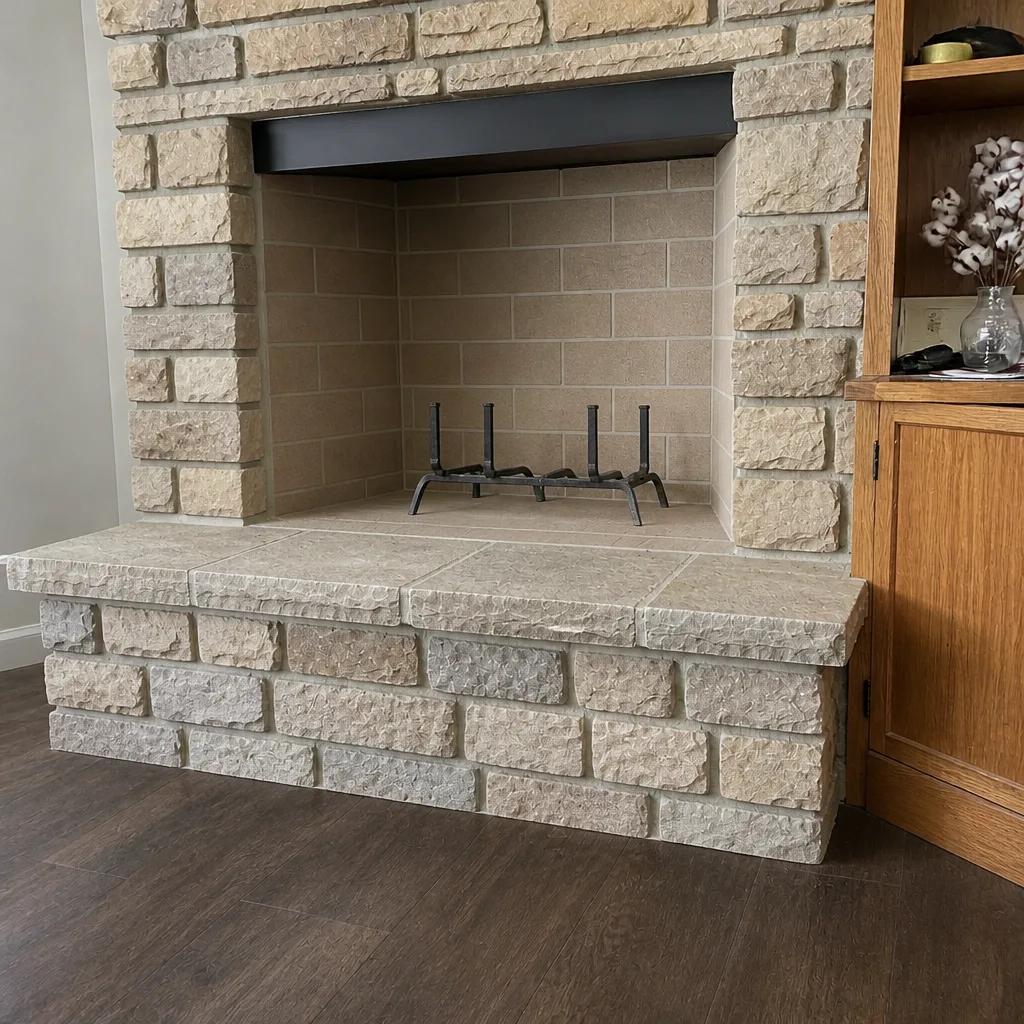
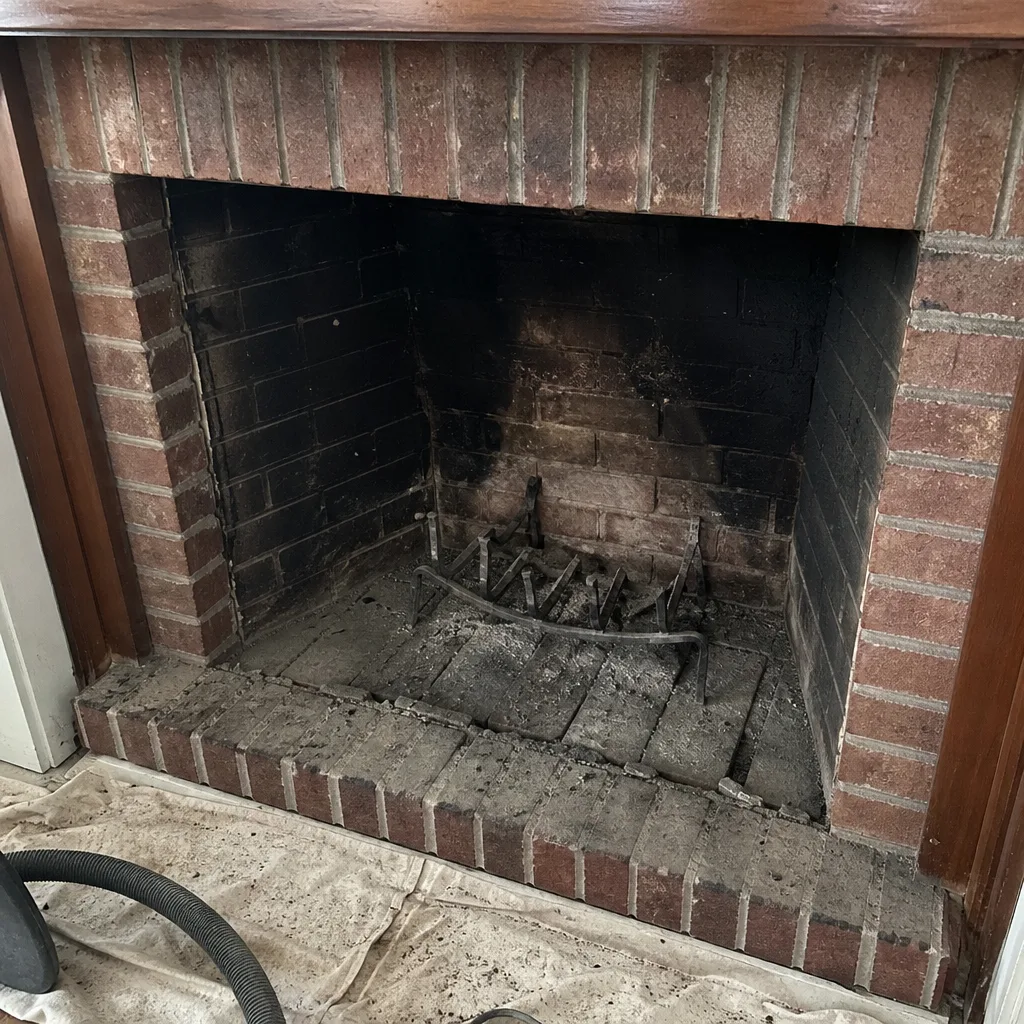
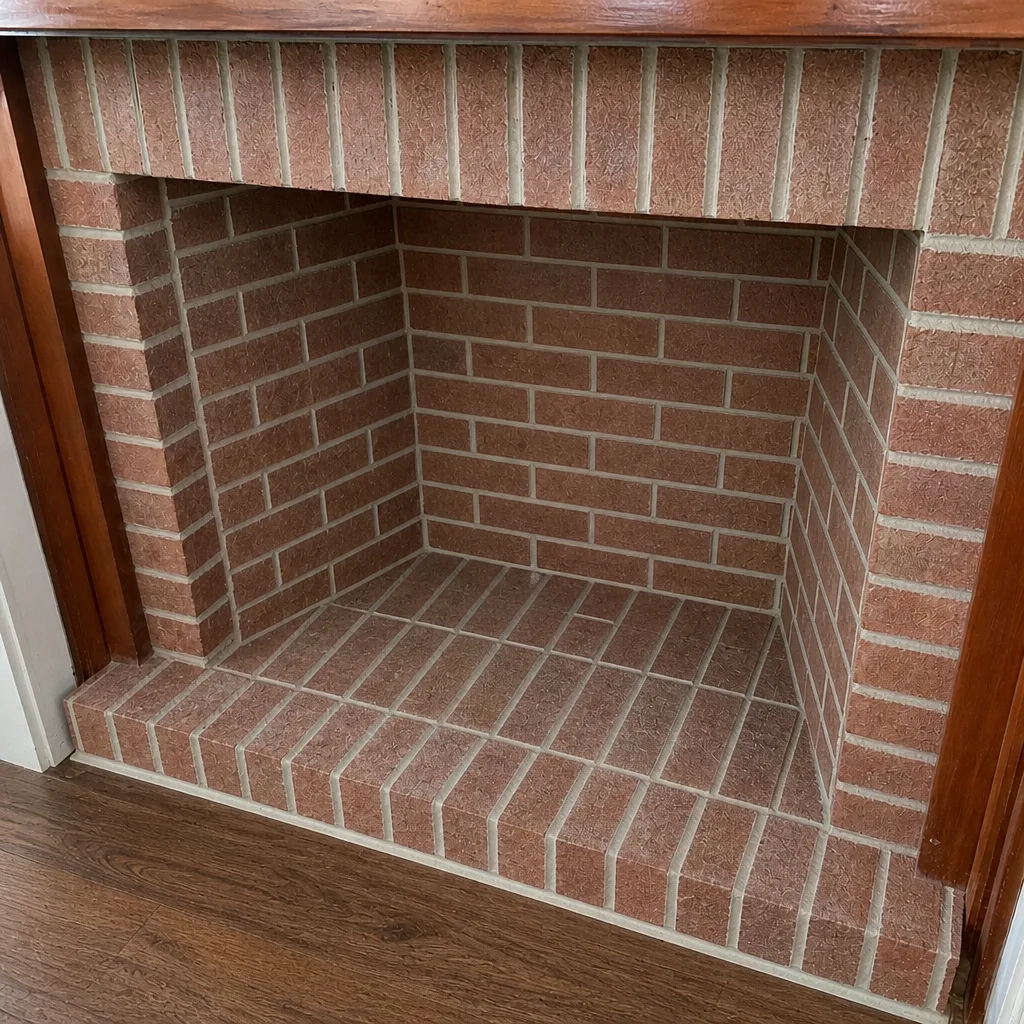
See the difference
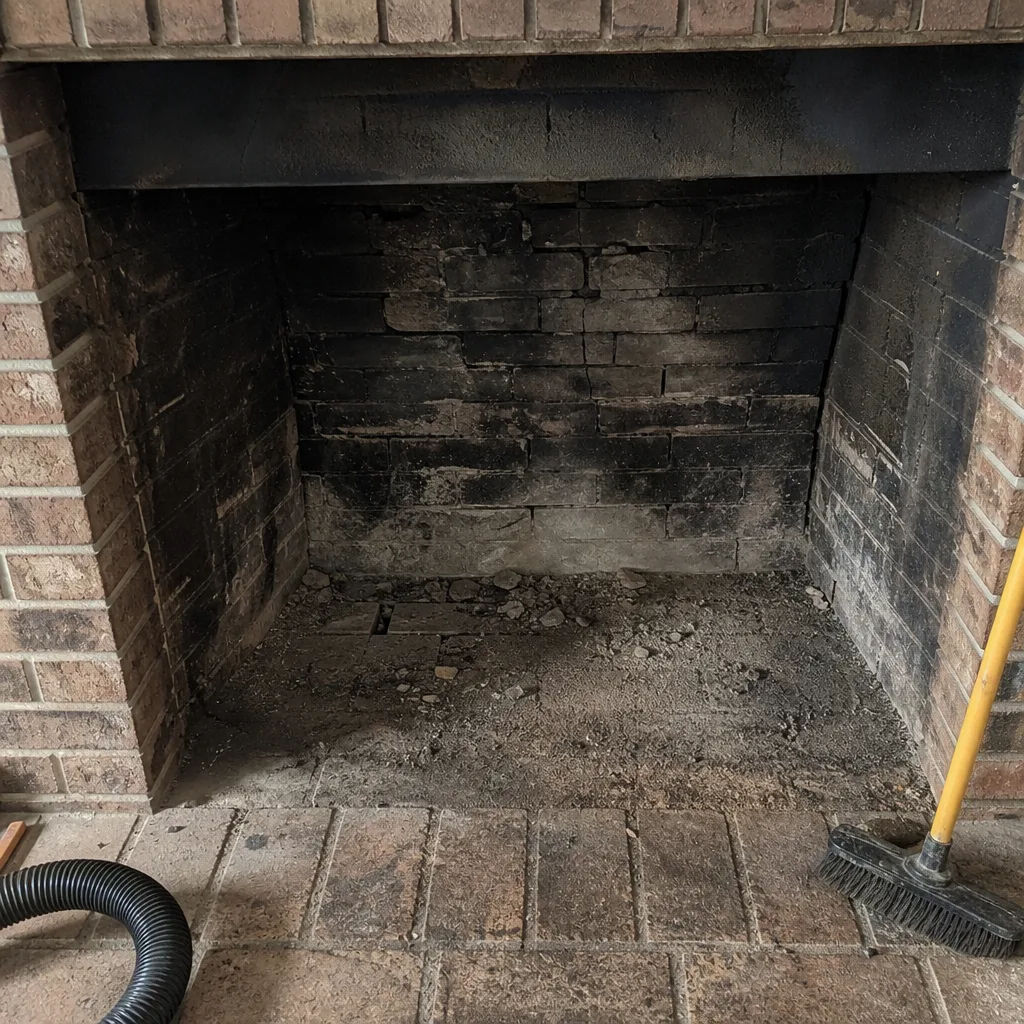 Before
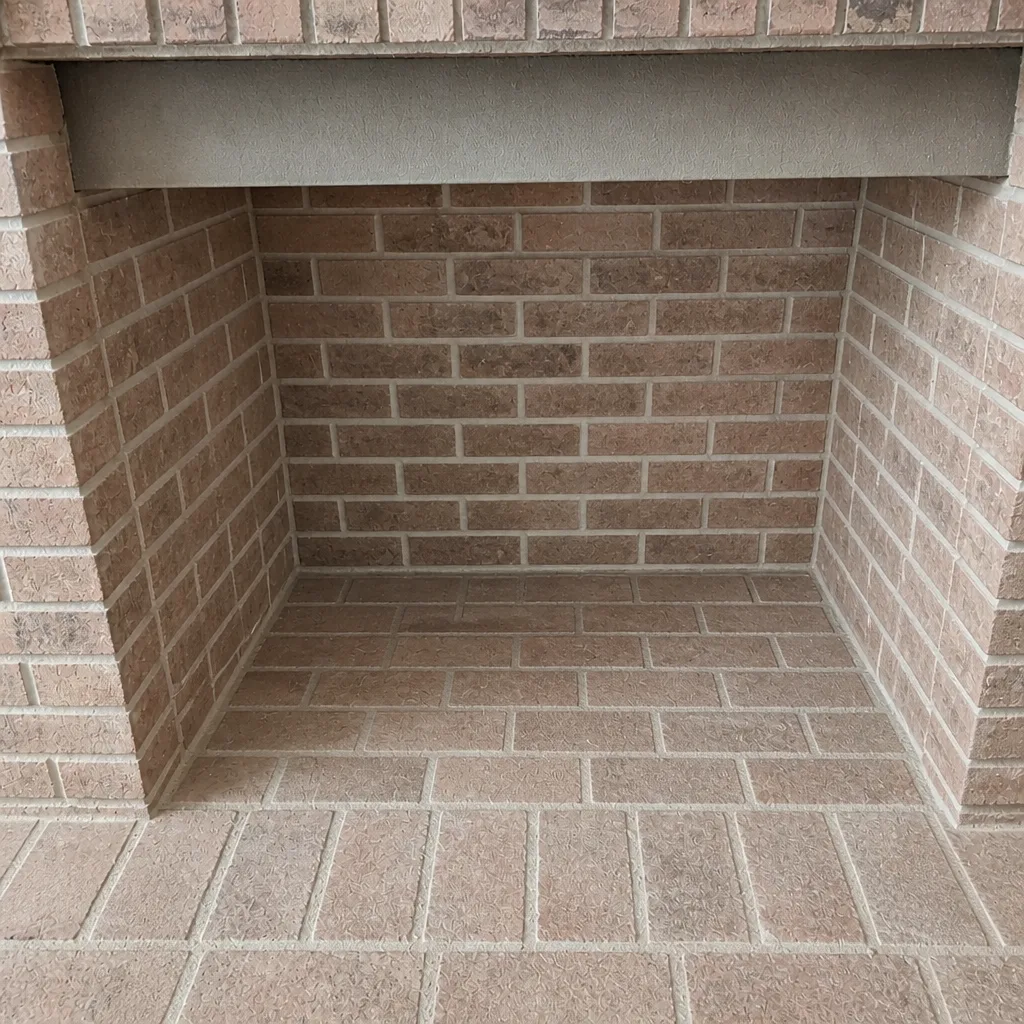 After
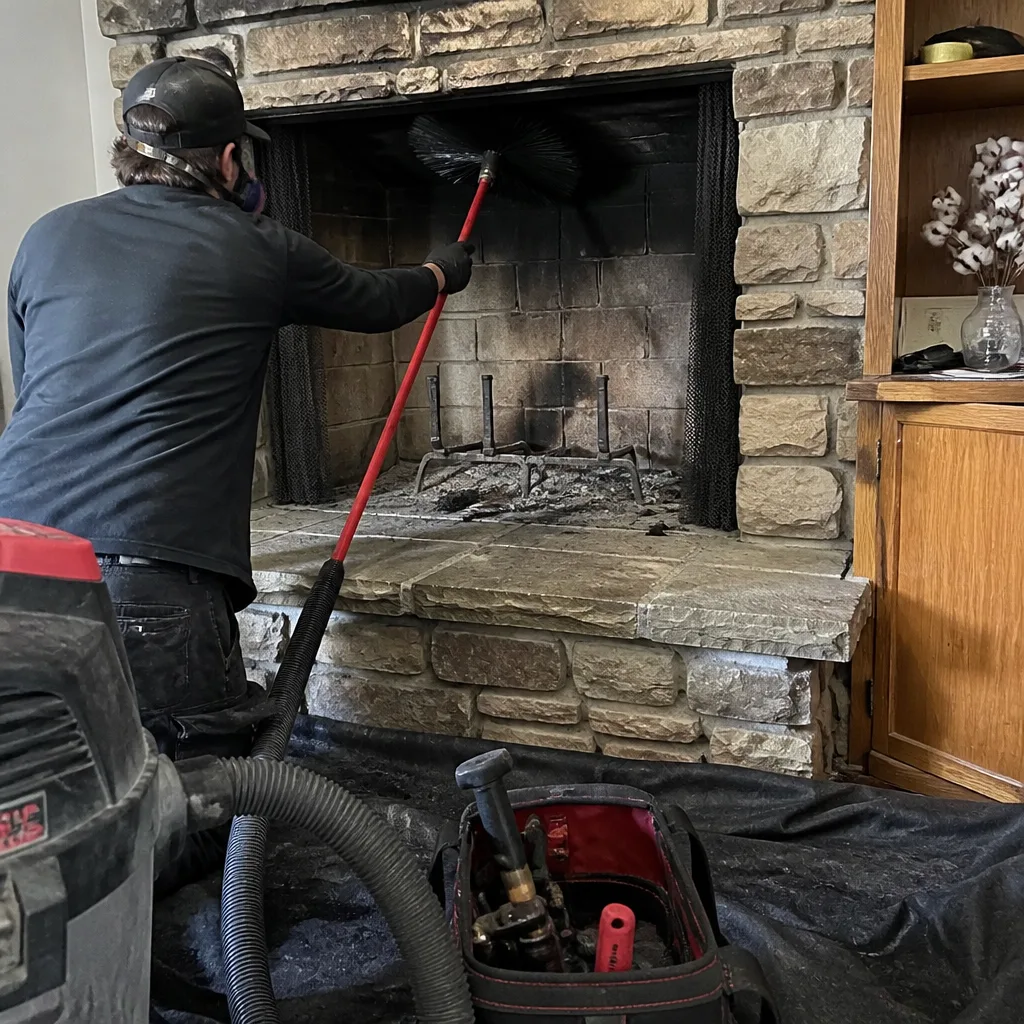 Before
 After
 Before
 After