
Last updated November 15, 2026
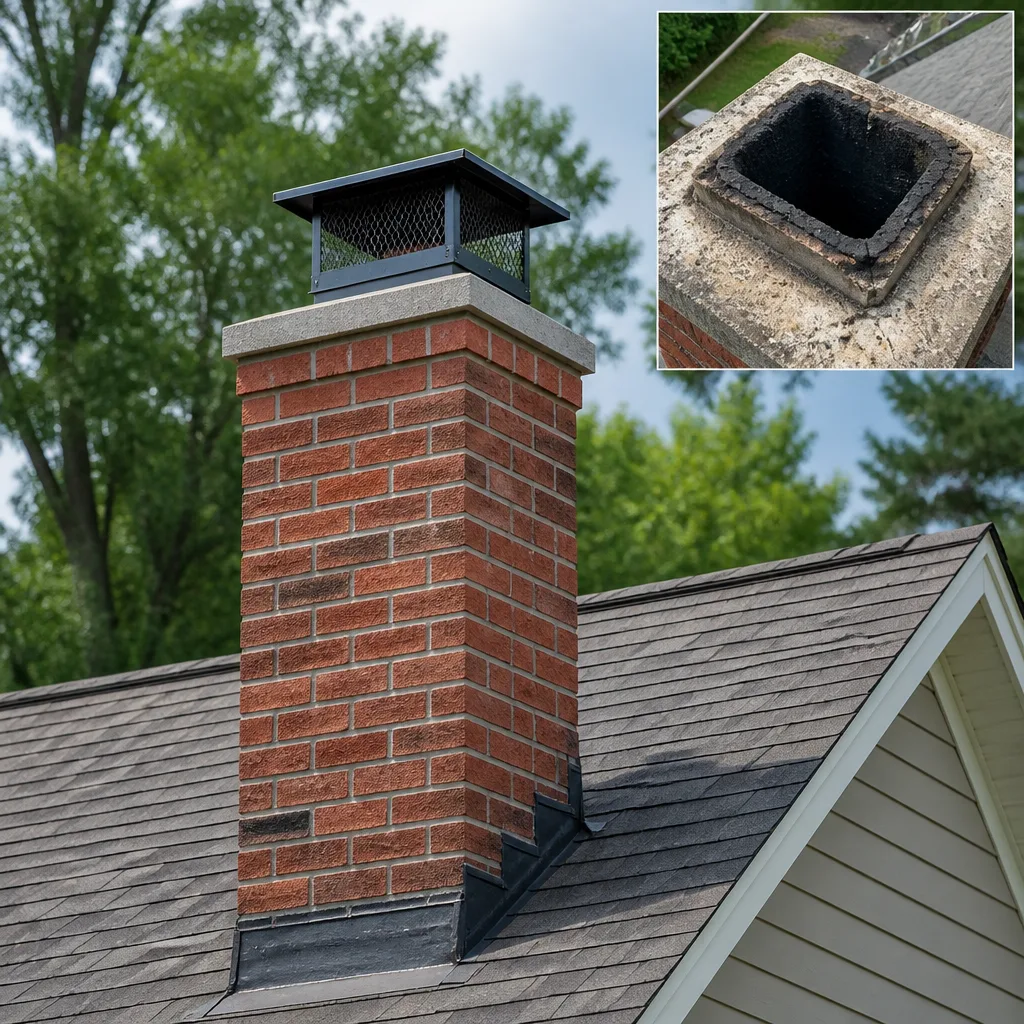 Sweep & inspection
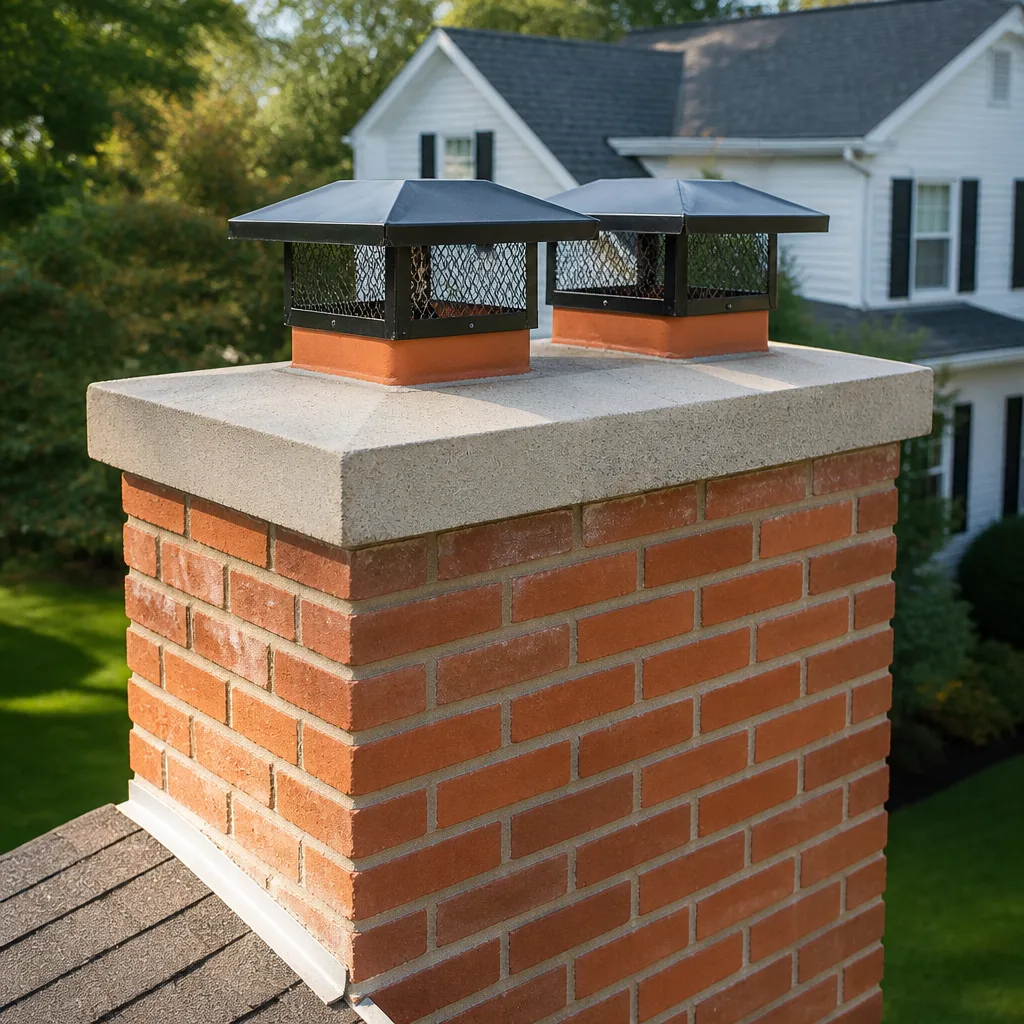 Caps & crowns
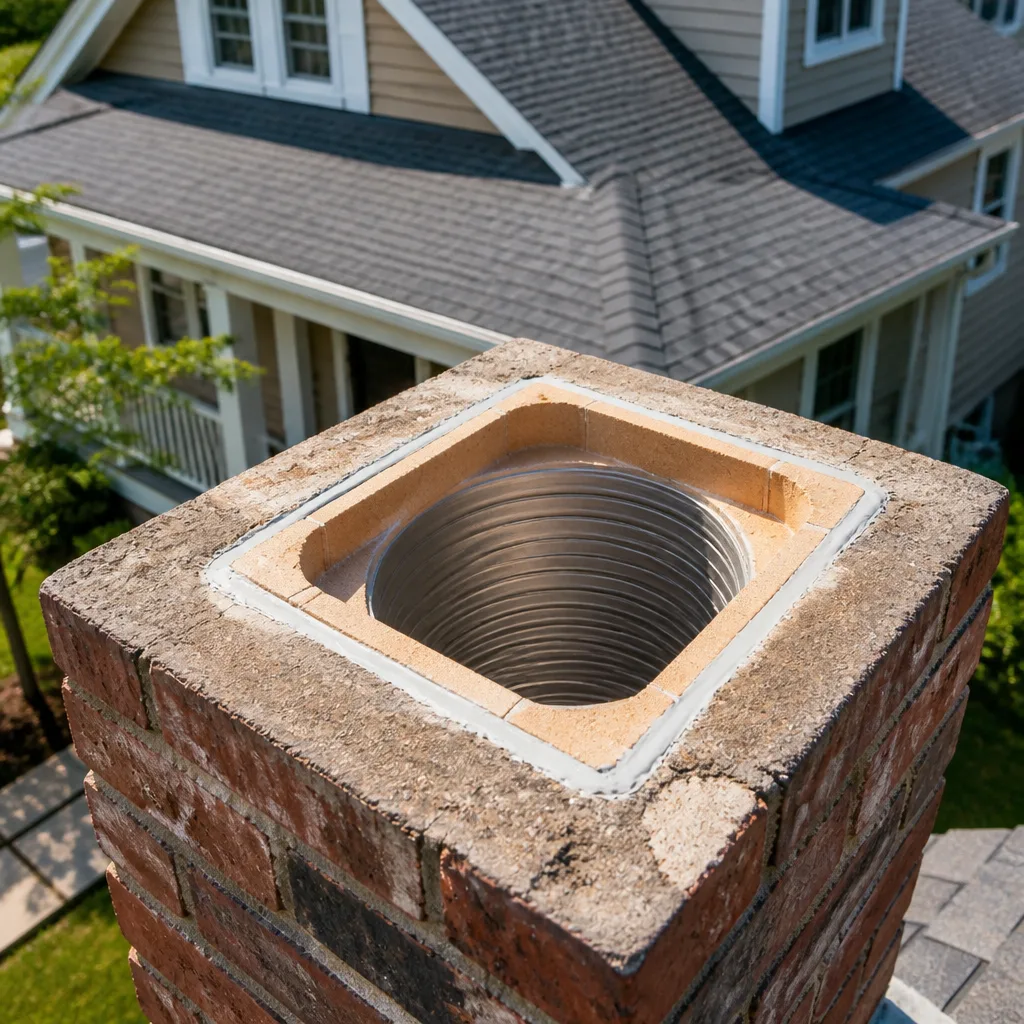 Flue relining
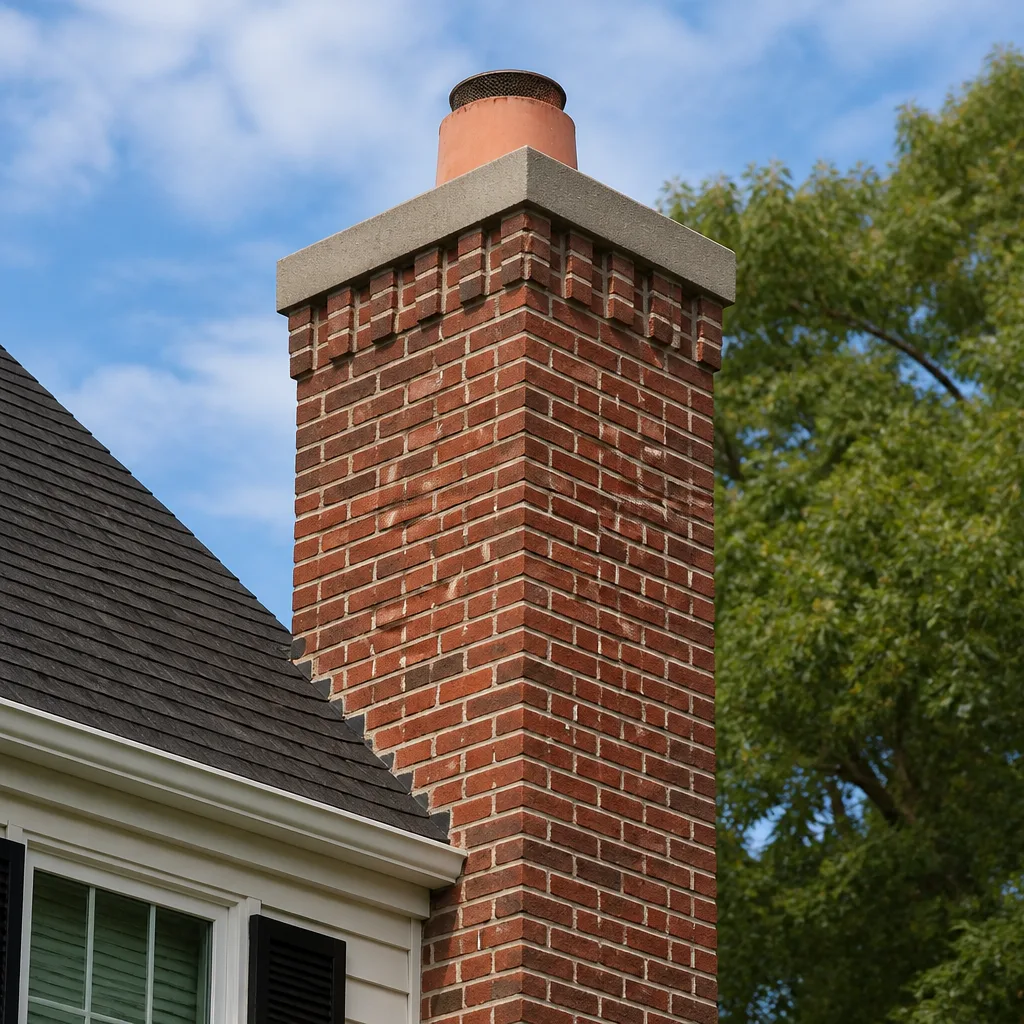 Masonry repair
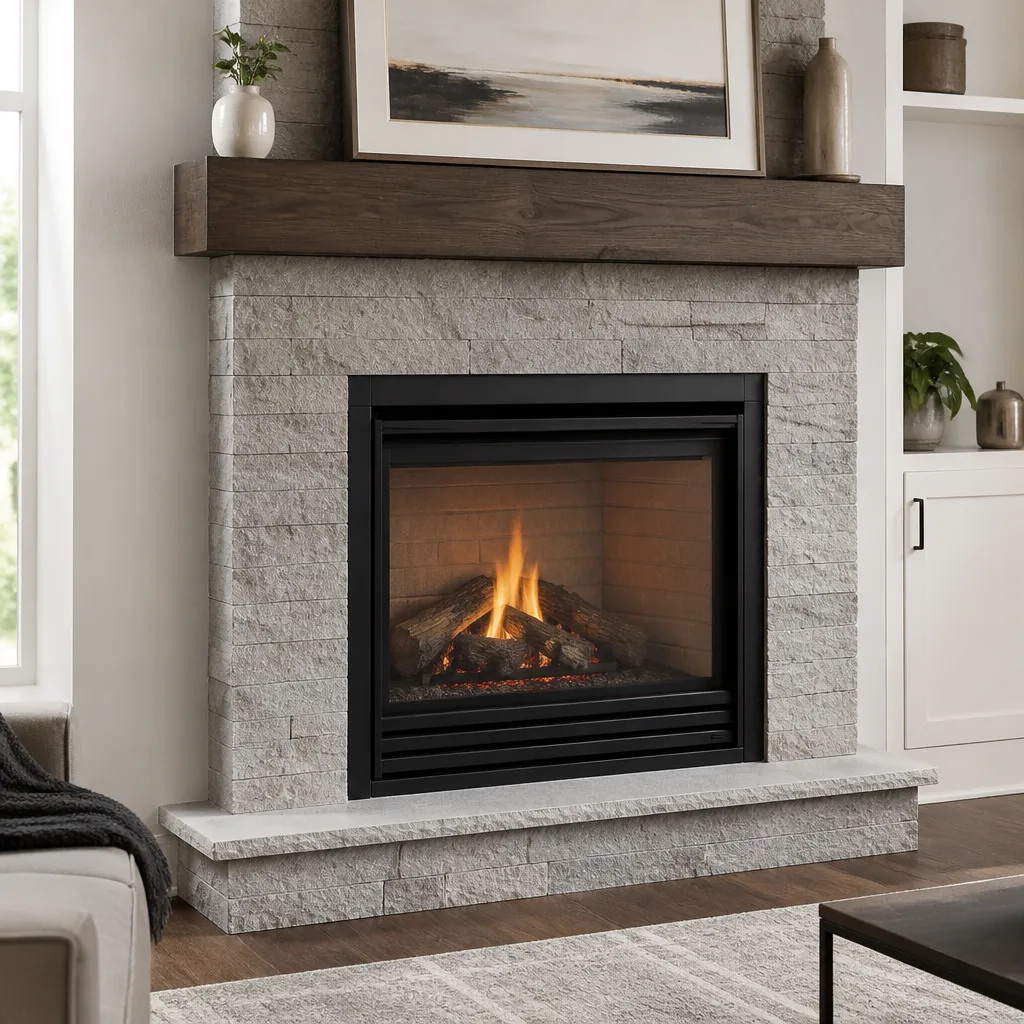 Gas fireplace service
Level 1 sweep and inspection to the NFPA 211 annual standard - flue, crown, cap, and flashing checked and photographed
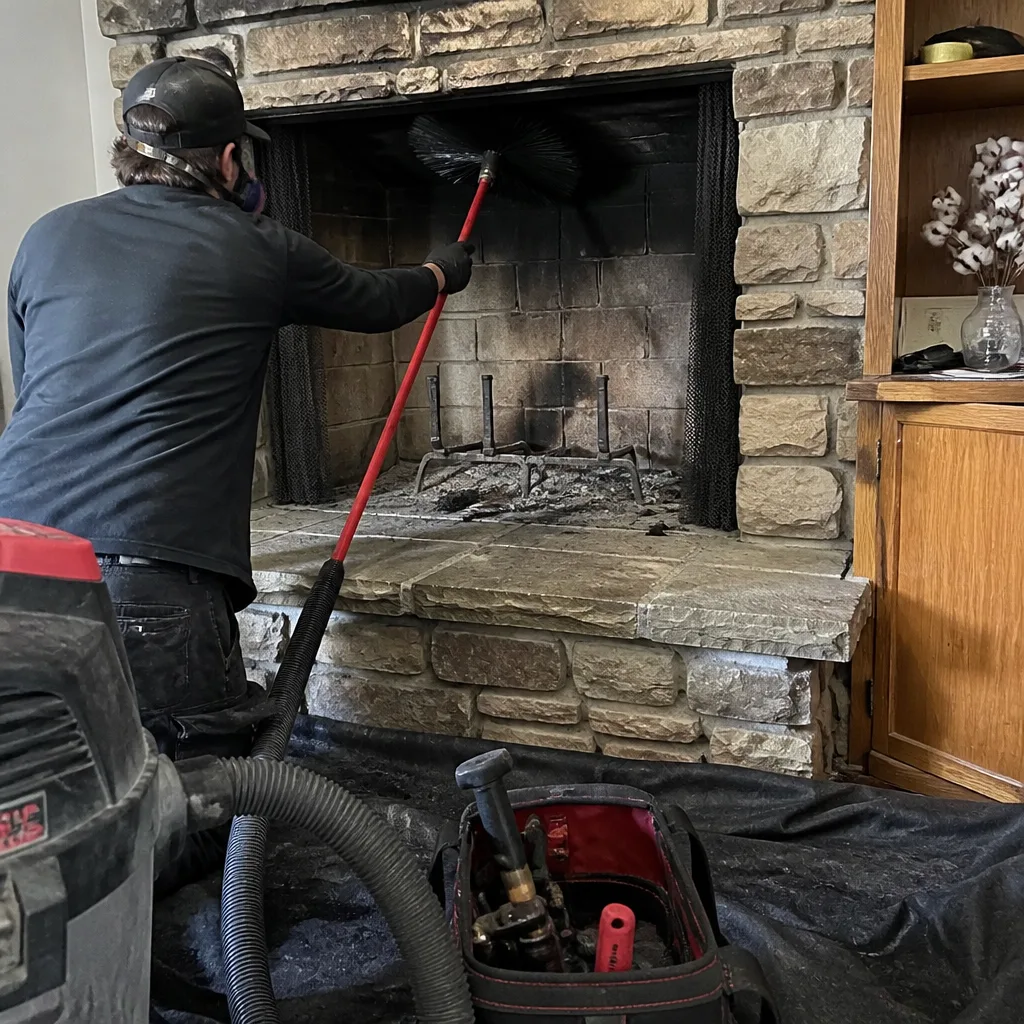
Chimney sweep logs do not sweep chimneys. They loosen some creosote - which then falls where a brush and vacuum still have to collect it.
Chimney Sweep Troubleshooting in Fayetteville: Common Problems and How to Fix Them
The same smoky living room can be caused by five completely different problems, and the fix for one can make another worse. That’s the part most troubleshooting advice skips. A homeowner in Fayetteville sees smoke rolling out of the fireplace, reads that the flue needs sweeping, books a sweep, and the smoke continues because the actual cause was a house that’s too tight to feed the fire enough air. Before you diagnose anything, get the symptom right. This guide maps what you’re actually seeing and smelling to the root cause behind it, so you can have an informed conversation with your sweep instead of guessing at fixes. We’ll cover smoke rollout, odor types, staining patterns, moisture problems, and the line between what you can monitor yourself and what needs a camera.
Quick Answer
Most chimney problems in Fayetteville fall into one of five categories: negative pressure (smoke pulled back into the room because the house is too airtight), creosote restriction (a partially blocked flue), moisture intrusion (condensation or water damage in the liner), damaged flue tile or liner, and combustion byproducts that don’t draft properly. The symptom tells you which category you’re in. Smoke rollout with a clean flue points to pressure. Odor that appears only in humid weather points to moisture. Staining on the exterior chimney points to water or draft, depending on the color. Get the symptom diagnosis right before booking any repair, because the wrong fix makes things worse.
Styles & brands we work with
- Sweep & inspection
- Caps & crowns
- Flue relining
- Masonry repair
- Gas fireplace service
Table of Contents
- Smoke Rollout: Negative Pressure vs. Creosote Restriction
- What Different Chimney Odors Actually Tell You
- Reading Exterior Staining: Moisture Problem vs. Draft Problem
- Why Fayetteville Humidity Creates Specific Flue Problems
- Creosote Buildup: What You Can See and What You Can’t
- How to Tell If You Have Liner or Flue Tile Damage
- What You Can Monitor Yourself vs. What Needs a Camera
- Repair Options: Relining, Resurfacing, and Caps
Smoke Rollout: Negative Pressure vs. Creosote Restriction
Smoke rolling out of the fireplace opening when you first light a fire is the most misdiagnosed chimney problem there is. Two completely different causes produce the same symptom, and their fixes are opposites. Get it backwards and you’ll spend money on the wrong solution while the smoke keeps coming.
Negative pressure backdraft happens when a house is tighter than the flue can compete with. Modern windows and weatherstripping seal a house so well that the chimney can’t pull enough replacement air from inside. When you light a fire, the exhaust fan in the kitchen or the bathroom fan running upstairs pulls harder than the chimney does, and smoke reverses into the room. The tell is timing: smoke rolls out when you first light, then settles once the flue warms up and draft starts moving. A house-tightness problem produces a draft problem.
Creosote restriction is the opposite. The flue is partially blocked by soot and creosote buildup, so smoke can’t escape fast enough and rolls out continuously, not just at startup. The fix is a chimney sweep, not a pressure correction. If the flue restriction is bad enough, the fire burns poorly and produces even more creosote, making the problem worse with every fire.
How to tell which one you have before calling anyone:
- Watch the timing. Smoke at first light that clears in 10 to 15 minutes points to pressure. Smoke that never clears points to restriction.
- Crack a window near the fireplace. If the smoke stops rolling when you open a window an inch, you have a pressure problem, not a blockage.
- Check the flue visually. Shine a flashlight up the damper. Heavy soot on the smoke shelf or visible creosote means start with a sweep.
- Note when it started. A problem that appeared after you replaced windows or added insulation is pressure. One that built up over a season of burning is restriction.
Both are common in Fayetteville. Tighter homes in newer neighborhoods tend toward pressure problems, while older masonry chimneys that haven’t been swept in years tend toward restriction. If you can’t tell which one you’re facing, book a sweep and an inspection together. A sweep cleans the flue and confirms whether restriction was ever the issue. Then you know what you’re dealing with.
What Different Chimney Odors Actually Tell You
Chimney odor is a symptom the way a cough is a symptom. The type of smell tells you what’s happening inside the flue, and each type has a specific remedy. Guessing at a deodorizer without fixing the source wastes money and the smell returns on the next humid day.
Musty or damp smell
A musty odor is moisture. It’s the most common chimney complaint in Fayetteville, and it appears strongest in summer when humidity climbs. Water is getting into the flue, usually through a missing or damaged chimney cap, cracked crown, or failed flashing at the roofline. The remedy is finding the entry point and sealing it, then letting the flue dry out. A cap and crown repair often solves what no amount of cleaning will touch. We’ve seen homeowners pay for three sweep visits trying to remove a smell that a $200 cap install would have ended on the first call.
Asphalt, tar, or road-paving smell
That smell is creosote. Fresh creosote off-gasses when temperatures rise, which is why it’s strongest on warm days and why the whole house can smell like a freshly paved driveway in July. Creosote is also the fuel for chimney fires, so this odor is a signal to schedule a sweep, not to buy a scented candle. A flue with heavy creosote needs cleaning before the next burn season.
Burning plastic or chemical smell
This one is unusual and worth taking seriously. A plastic or chemical smell with no fire burning usually means something has nested or fallen into the flue: birds, squirrels, bees, or a buildup of debris that’s degrading. It can also point to a deteriorated flue liner that’s off-gassing. Either way, this smell requires camera inspection before you light another fire, not a visual check.
Smoke smell that won’t clear
Lingering smoke odor after a fire has gone out usually means draft is weak and combustion gases aren’t fully escaping. Common causes are a partially blocked flue, a flue that’s too short for the chimney height, or a pressure problem pulling gases back into the living space. Carbon monoxide is a real risk here. If the smell is persistent, install a carbon monoxide detector on each level and call for inspection.
Reading Exterior Staining: Moisture Problem vs. Draft Problem
Look at your chimney from the yard with a set of binoculars. The type of staining on the exterior bricks tells you a lot about what’s happening inside without opening anything up. There are two patterns worth knowing, and they point to opposite problems.
White, powdery staining (efflorescence) is a moisture problem. Water has soaked into the masonry and is pushing mineral salts to the surface as it evaporates. It looks like a white chalky film and it appears on the upper portion of the chimney, often working down. Efflorescence is diagnostic of water intrusion. Somewhere the chimney is taking on water, and the fix is identifying the entry point: crown cracks, failed flashing, missing cap, or spalling brick. Left alone, that moisture freezes and thaws in winter and chips the brick face away. On a masonry chimney, this pattern demands inspection and repair before it becomes structural.
Brown, sooty staining (ghosting) is a draft problem. That brownish discoloration is smoke that has been pulled back through the mortar joints and brick face rather than going up and out the flue. It typically appears around the top of the chimney below the cap, and often on the siding near the roofline. Ghosting points to negative pressure, a flue that’s too short, or a flue that’s leaking somewhere between the firebox and the top. The fix is not a coat of paint. Correcting the draft is the fix, and paint just hides the symptom until it returns.
Sometimes you’ll see both. That’s a chimney taking on water at the top and drafting poorly at the bottom, which is more common on older Fayetteville masonry than most homeowners expect. Both patterns are visible from the ground and both deserve attention before they cause real damage.
Why Fayetteville Humidity Creates Specific Flue Problems
Fayetteville’s summers are humid enough that chimney problems here look different from chimney problems in dry-climate troubleshooting guides. A chimney in Phoenix has to deal with heat and dryness. A chimney in Fayetteville has to deal with months of high relative humidity, which changes how condensation, creosote, and moisture intrusion behave. Standard advice from a dry-climate guide will miss the specific problems Fayetteville homeowners face.
Flue liner condensation is the biggest one. During summer, warm humid air sits inside the flue. When the outside temperature drops at night, that moisture condenses on the relatively cool flue tile. Over a season, condensation runs down the interior of the tile and soaks into the masonry from the inside. The exterior staining you see on the chimney top is often the visible end of a months-long process that started inside the flue. On gas fireplaces and gas appliance flues, the effect is even stronger because those appliances produce water vapor as combustion byproduct. An unlined or poorly vented gas appliance creates condensation problems a dry climate never produces.
Deteriorated mortar joints are another Fayetteville-specific problem. Moisture that enters through the summer work expands and contracts through winter. Over several seasons, the mortar softens and repairs get pushed back further. The effect on a chimney’s structural integrity is gradual but real, and it’s more aggressive here than in many parts of the country because our air holds so much water and our temperature swings can be sharp.
Creosote behavior also changes with humidity. Wood that hasn’t been properly seasoned holds excess moisture, and in a humid climate it’s harder to dry firewood thoroughly. Wet wood burns cooler and produces more creosote than dry wood. That creosote then off-gasses in the summer humidity, which is why the “hot tar smell” complaint is so common between May and September in Fayetteville. Seasoning your firewood under cover for a full year before burning it is the single best defense against this problem.
What you should do about it: cap the chimney to keep rain out, sweep before the start of burn season (not the end), and check the exterior for efflorescence and cracked crown every spring.
Creosote Buildup: What You Can See and What You Can’t
You can see the top of the firebox and the smoke shelf from inside the fireplace with a strong flashlight. That’s where most homeowners check and feel reassured when it looks clean. The problem is that creosote forms all the way up the flue, in proportions that vary with how the fire burns. Some of it is visible from the top of the chimney. Most of it isn’t.
Creosote forms in three stages:
- Stage 1: soot and flaky creosote. This is thin, black, powdery, or flake-like. It brushes off easily and is what you’ll see during a routine sweep.
- Stage 2: glazed creosote. This is hard, shiny, and crusty. It’s formed when flue temperatures are too low for complete combustion and the deposits bake onto the flue tile. A brush won’t remove it. It has to be treated chemically or removed with the correct tooling, and sometimes it needs inspection with a camera to see how much is there.
- Stage 3: glazed creosote covering a significant portion of the flue. This is the flammable state. A small ignition source can turn this into a chimney fire, and chimney fires are the reason creosote matters.
From the fireplace opening, you cannot see whether the middle section of your flue has stage 2 or 3 creosote. You need a camera up the flue. And once a professional is up there with a camera, they can also see cracked flue tiles, missing mortar joints between tiles, corrosion in a metal liner, or a damaged cap. A visual check from the firebox doesn’t tell you what you need to know.
If you see glazed creosote on the smoke shelf or on the upper flue tiles visible from the top of the chimney, schedule a sweep before the next burn. And if you’ve never had the flue swept during the years you’ve owned the house, do it before your next fire.
How to Tell If You Have Liner or Flue Tile Damage
The flue liner is the chimney’s primary safety component. It contains the smoke, gases, and heat so they can’t escape into the building structure. Over time, flue tiles crack, mortar joints between tiles fail, and the structural integrity of the flue is compromised. A cracked flue tile allows heat and carbon monoxide to reach the framing around the chimney, which is a serious fire risk and a real health risk. So liner damage is one problem you don’t want to guess about.
You can’t visually confirm liner damage from the ground or the living room. A camera up the flue is the only reliable way to see the condition of the tiles, the mortar joints, and any corrosion in a metal liner. But certain symptoms make a liner problem more likely, and they’re worth knowing:
- Smoke odor inside the house even when there’s no fire burning often points to a compromised flue that’s leaking between the flue and the surrounding space.
- Reduced draft with a clean flue suggests the flue’s cross section has opened up through a failed tile joint, changing the diameter the chimney drafts with.
- Pieces of tile or mortar falling into the firebox or sitting on the smoke shelf after a fire is a strong indicator that a tile above is cracked or the mortar between tiles has deteriorated.
- A chimney that has had a previous fire is more likely to have heat-damaged tiles. Old fire damage doesn’t always show up as a visible crack from below.
When a camera inspection shows liner damage, the standard repair is either relining the flue with a flexible liner or resurfacing with a ceramic product. Both are major decisions that need to be made based on what the camera actually shows, not what a visual check from the firebox suggests. Liner replacement costs real money, so get the evidence in hand before you commit. A documented inspection with camera evidence is the only sound basis for that decision.
What You Can Monitor Yourself vs. What Needs a Camera
The most useful thing this guide can do for a Fayetteville homeowner is draw a clear line between the symptoms you can track yourself and the problems that require a certified sweep with a camera. Guessing at the line is how homeowners end up paying for unnecessary repairs on one hand and missing serious risks on the other.
Monitor these yourself:
- Smoke rollout timing at the start of the fire, and whether it clears after 10 to 15 minutes or persists.
- Draft changes from season to season, and any change after a house modification such as new windows, added insulation, or a new exhaust fan.
- Odor type and timing – musty (moisture) versus tar (creosote) versus plastic (infestation or liner damage), and whether it appears with humidity or after rain.
- Exterior staining – white and powdery versus brown and sooty, using binoculars from the yard.
- Firebox appearance – cracks in the firebrick, missing mortar, or fallen tile.
- Cap and crown condition – from the ground, checking for missing caps, cracked crowns, or rusted caps.
- Carbon monoxide detector readings – install detectors on every level and test them monthly.
The following need a certified sweep with a camera:
- The interior of the flue – every problem this guide discusses, from a possible mid-flue glazed creosote state to a cracked tile joint, is only confirmable with a camera.
- The liner’s structural condition – cracks, joint failures, or corrosion require inspection before any repair decision.
- Combustion safety – a proper combustion safety evaluation covers the firebox, the flue, the cap, and the draft under load.
- Insurance or real estate documentation – an inspection that satisfies an insurance carrier or a transaction requires a documented inspection report with photos.
If you’re monitoring any of the first list and the symptom persists past one burn season, that’s your signal to schedule a camera inspection. If you’re seeing anything on the second list, schedule a camera inspection before your next fire. The cost of a documented inspection is small next to a repair done based on the wrong assumption, and we offer Fayetteville inspections as standalone services when that’s all you need.
Repair Options: Relining, Resurfacing, and Caps
Once the diagnostic work is done and the problem is confirmed, the repair choice depends on what the flue actually needs. There are three tiers of chimney repair in Fayetteville, and picking the right one is about matching the tool to the damage, not upselling the biggest job.
Relining is the appropriate repair when the existing flue has a crack that runs through the tile, a failed joint between tiles, or a metal liner that has corroded through. Flexible liner systems like DuraFlex are the standard choice for most traditional masonry chimneys because they handle the offsets and irregular cross sections a rigid liner can’t fit into. A relined flue gets a continuous stainless steel path that contains the combustion gases from the firebox to the top of the chimney. The proper procedure is: sweep the flue, inspect with camera, confirm the damage, install the liner with correctly sized insulation and proper top plate. Skipping the inspection step before installing the liner is how homeowners end up with a relined chimney that still drafts badly.
Resurfacing is the right repair when the flue is cracked but not structurally broken, or when the damage is small enough that a ceramic resurfacer can seal it correctly. HeatShield ceramic resurfacing is the product we use for this because it restores a damaged flue from the inside without tearing out the original masonry. It’s a real alternative in the right circumstances, and it’s saved Fayetteville homeowners from a full reliner tear-out in cases where the tile was only mildly damaged. The key word is “right circumstances” – resurfacing is not appropriate for a badly cracked flue or one with major joint failure, and no honest sweep will propose it as a substitute for relining when relining is what the flue actually needs.
Caps and crowns are maintenance-level repairs that prevent the underlying problems this guide has spent most of its words describing. A correctly fitted stainless steel cap keeps rain out, blocks animal intrusion, and gives exhaust gases a proper escape path. A properly built or repaired chimney crown sheds water off the top of the masonry. Famco and Copperfield make chimney caps we install, and Gelco and Olympia Chimney supply parts we trust for masonry and flue repair. We use these brands because that’s what the trade actually specifies, not because they’re what happens to be on the shelf.
If you’re not sure which tier of repair your chimney needs, that’s exactly why an inspection comes first. Sweep first, inspect honestly, repair only what the flue actually needs. We use chimney repair as one distinct service for exactly this reason.
Common Mistakes to Avoid
- Treating a pressure problem with a sweep. If you have negative pressure backdraft, sweeping the flue won’t fix the smoke. Cracking a window near the fireplace before lighting is the fastest way to confirm which problem you have, and it’s free.
- Burning wet wood to “save money” on seasoned firewood. In Fayetteville humidity, unseasoned wood takes much longer to dry than expected. Wet wood produces far more creosote, which means more frequent sweeps and a higher risk of stage 2 or 3 buildup. Get the moisture content down before you burn.
- Painting over exterior staining. Efflorescence and ghosting are both symptoms, and paint covers the symptom without touching the cause. Water intrusion continues behind the paint, and the underlying repair cost grows. Fix the moisture source or the draft problem first, then repaint.
- Assuming a gas fireplace doesn’t need sweeping. Gas appliances still produce combustion byproducts, and gas fireplace flues still need inspection and cleaning. The type of residue differs from wood-burning systems, but the maintenance requirement doesn’t go away.
- Booking a repair based on a visual check alone. A cracked flue tile, a failed joint, or a mid-flue glazed creosote state can’t be confirmed from the firebox. Any repair decision without a camera inspection is a guess, and some guesses cause more harm than the original problem.
- Using a deodorizer instead of finding the smell’s source. Whether it’s musty (moisture), tar (creosote), or plastic (infestation or liner damage), the smell is information. Removing the smell without addressing the cause is like turning off a smoke alarm because you don’t like the noise.
- Waiting until you smell something. The most important chimney problem, creosote, is also the quietest. It produces no odor at all until it reaches the off-gassing stage, and by then it may be stage 2 or 3. The safest assumption is that any flue that hasn’t been swept this season needs to be.
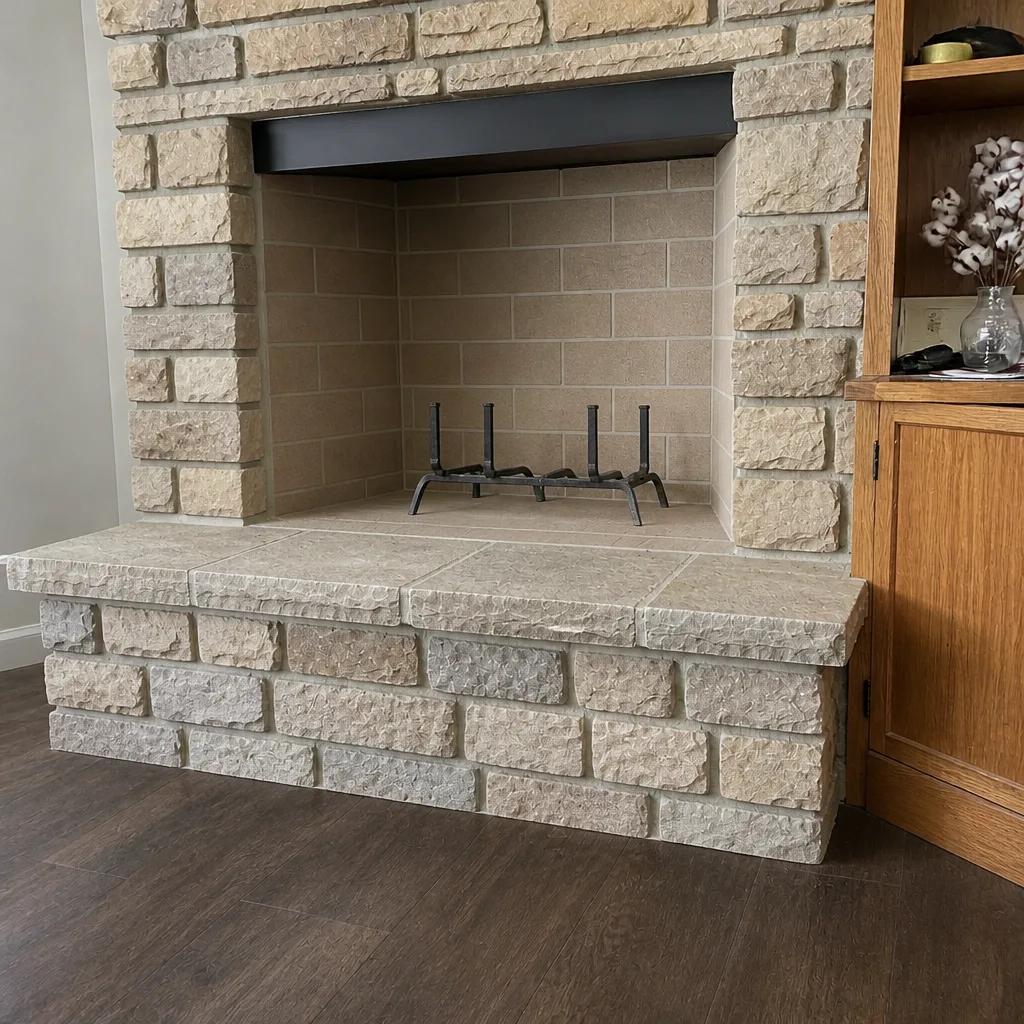
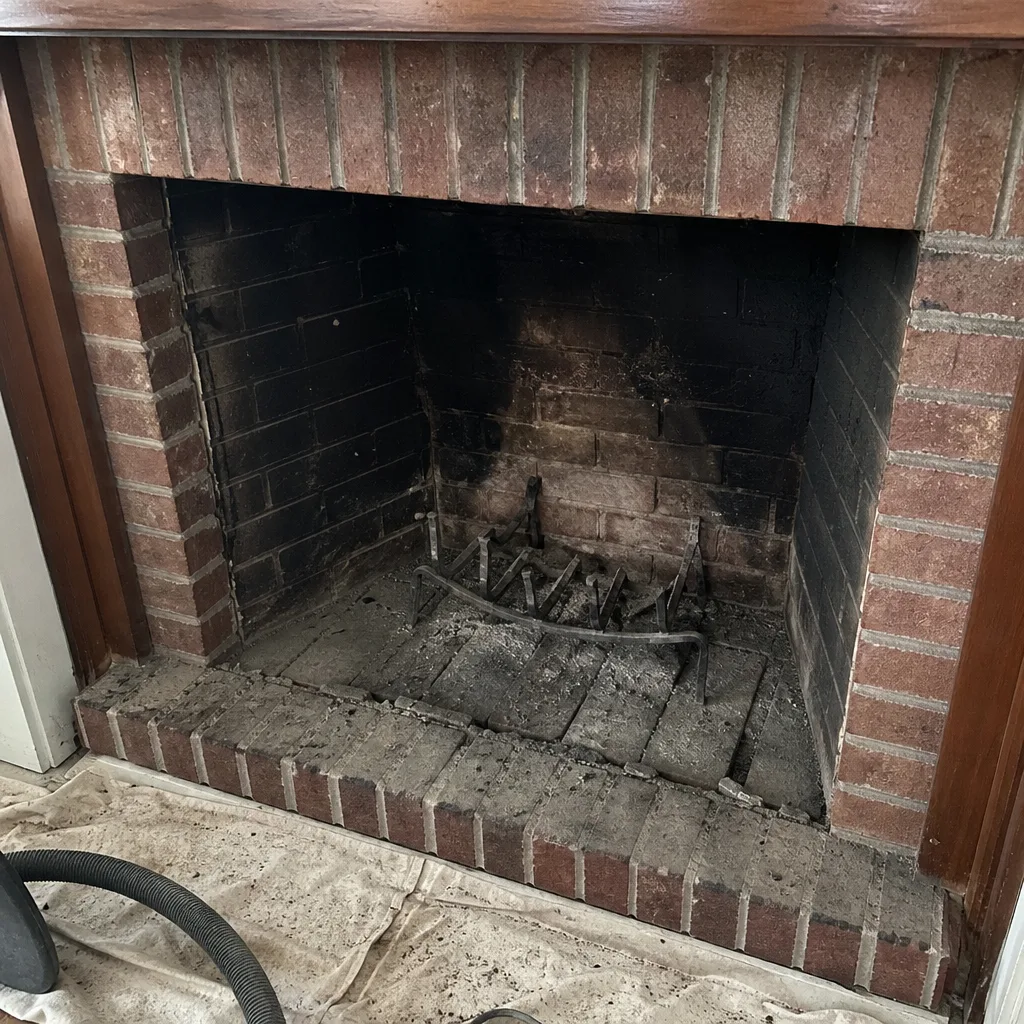
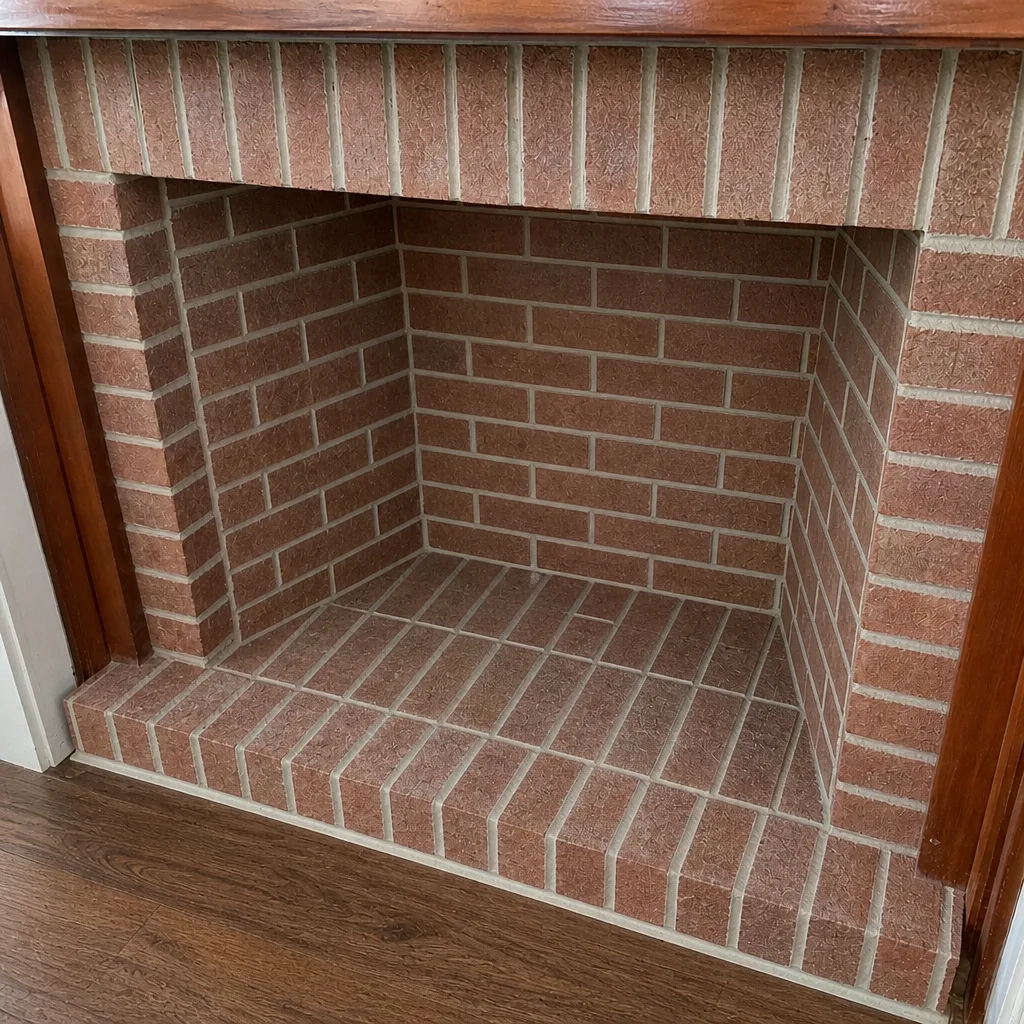
See the difference
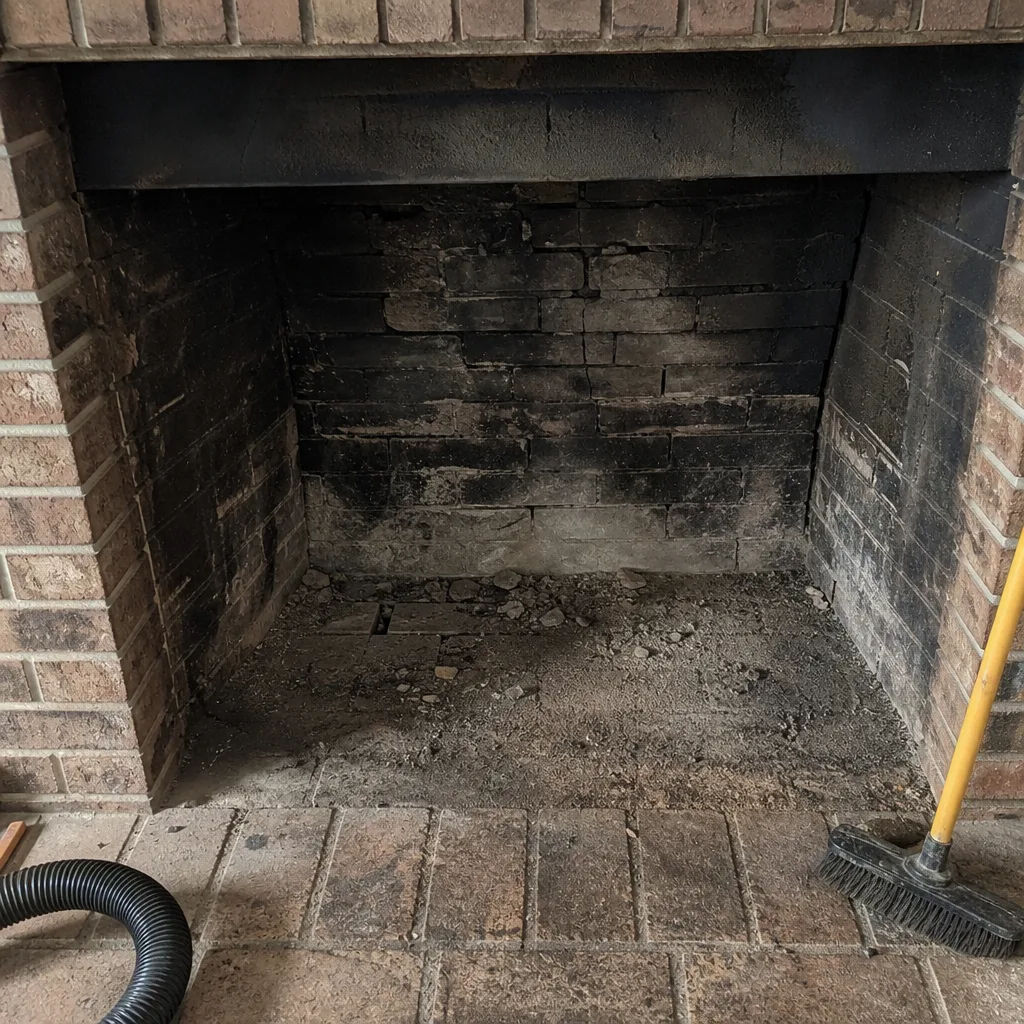 Before
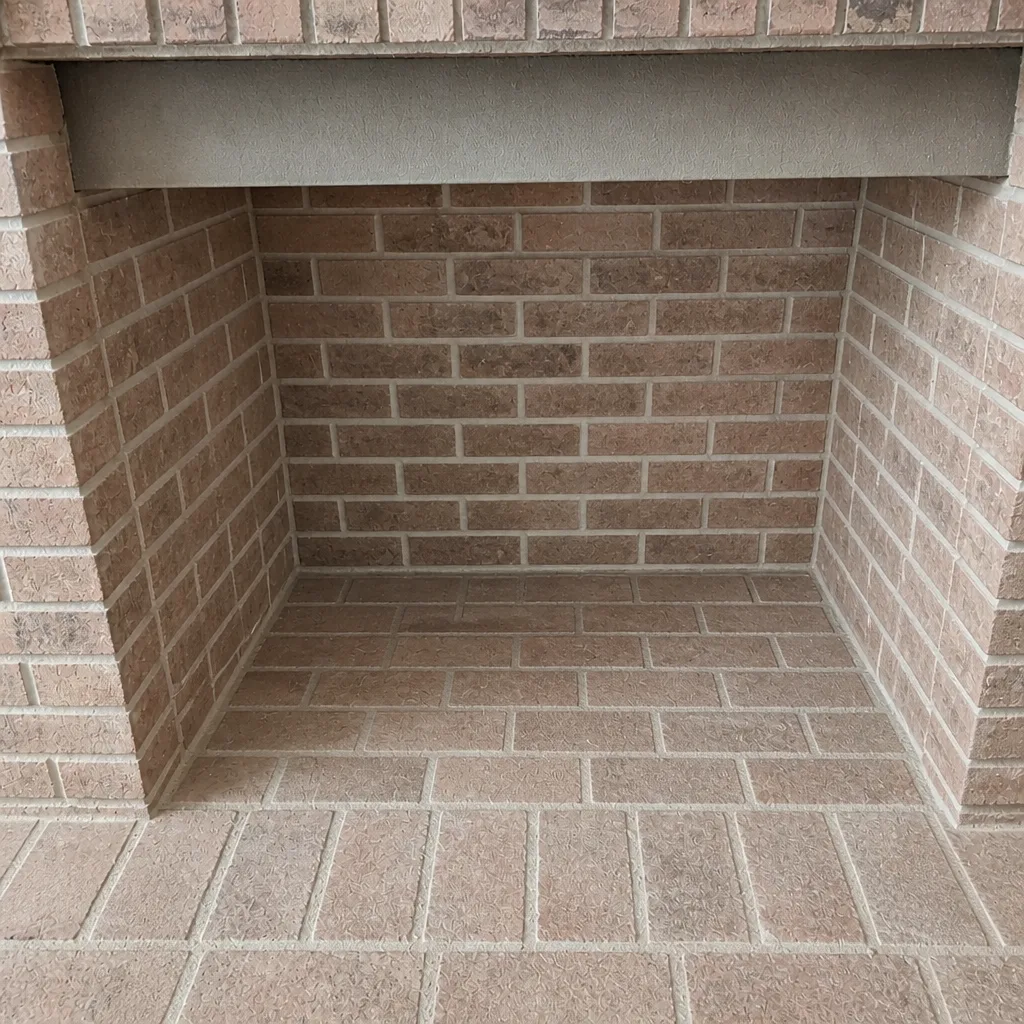 After
 Before
 After
 Before
 After
When to Call a Professional
Call a professional when smoke persists after a window is cracked, when the smell is chemical or plastic rather than musty, when you see fallen tile in the firebox, when you’ve never had the flue inspected, or when you’re buying or selling a home and need documented chimney condition for insurance or transaction purposes. Also call when a visual check shows glazed creosote on the visible or upper flue tiles, since that’s the state that needs professional removal. And call if you have no protection against the two most common chimney problems in Fayetteville: a cap on top and a sweep on the calendar.
If any of that describes your situation, book a sweep and an inspection together. We handle sweeping, repair, and inspection as three clearly separated services under one company, so you’re not figuring out which contractor you need. Delmar Chimney Sweep offers free estimates in Fayetteville. Call (855) 608-7738. We answer 24/7. Fast dispatch from 7am to 7pm, Sunday through Friday.
Frequently Asked Questions
A typical residential chimney sweep in Fayetteville runs roughly $150 to $300 depending on the flue configuration and the condition of the chimney. A combined sweep and camera inspection usually runs somewhat higher but gives you the documentation you need to make repair decisions with confidence. Call (855) 608-7738 for an exact quote. Estimates are free, and the written estimate sets the final price.
Only if a camera inspection shows damage that a liner actually addresses: cracked flue tiles, failed joints between tiles, or a metal liner that’s corroded through. A sweep can’t tell you whether you need a liner from the firebox. Ask for camera photos and video, and don’t make a relining decision without them. If the damage is mild enough, HeatShield ceramic resurfacing may restore the flue without a full liner replacement. Call (855) 608-7738 to book an inspection and get the evidence before you commit.
For a chimney that sees regular wood-burning use, most of the trade recommends sweeping once per year. Fayetteville homeowners who burn heavily through winter may need a sweep at the start of the season and an inspection at the end. If you burn occasional fires only, an annual inspection is still worth doing, and a sweep every few years depending on what the inspection shows. When in doubt, a call to (855) 608-7738 gets you a straight answer on what your specific chimney needs.
Creosote accumulates in the flue, and at stage 2 or 3 those deposits become the fuel for a chimney fire. That’s the serious consequence, and it’s why glazed creosote matters far more than the soot you can see. Separately, a damaged liner allows heat and carbon monoxide to escape into the building structure, which is a health risk independent of fire. Both are conditions a sweep and camera inspection can confirm and a visual check can’t. Call (855) 608-7738 to book a sweep before your next fire.
Two reasons. First, creosote off-gasses when temperatures rise, so the tar smell is strongest on hot and humid days. Second, warm humid air condenses on the inside of the flue in cold weather, and that moisture can produce a musty odor as it soaks into the masonry. If the smell is tar-like, schedule a sweep. If the smell is musty, inspect for water intrusion at the cap and crown. Call (855) 608-7738 to get a diagnosis.
You can rule out negative pressure yourself by cracking a window an inch before lighting and seeing whether the smoke stops rolling. That’s the only diagnostic step safe for a homeowner to take. Anything beyond that (checking the flue, cleaning creosote, inspecting the liner, or repairing the chimney structure) requires a certified sweep with proper tools and a camera, because these tasks involve heights, confined spaces, and combustion hazards. Call (855) 608-7738 if cracking the window doesn’t solve the problem.
The Bottom Line
Every chimney problem you can see or smell is a symptom that points to a specific cause. Smoke rollout at start-up that clears is pressure. Smoke that never clears is restriction. A musty smell is moisture, tar is creosote, and plastic is infestation or a damaged liner. White exterior staining means water; brown staining means draft. Fayetteville’s humid summers accelerate the moisture problems, and the creosote stage matters more than the soot. The only symptom you can accurately diagnose from inside your own house is draft pressure. Everything else needs a camera, and every repair decision deserves to be based on camera evidence. If your symptoms don’t fit cleanly into one category, or if you’ve read this far and realized you don’t know the last time your flue was swept, that’s the answer. Delmar Chimney Sweep offers chimney sweeping and repair from a single accountable team, and we inspect before we recommend.
Contact
Call (855) 608-7738 for a free estimate. We answer 24/7. Fast dispatch from 7am to 7pm, Sunday through Friday. We handle sweeping, repair, and inspection as three clearly scoped services, and we’ll tell you plainly when a problem can wait and when it can’t.
Written by the team at Delmar Chimney Sweep.