
Last updated November 15, 2026
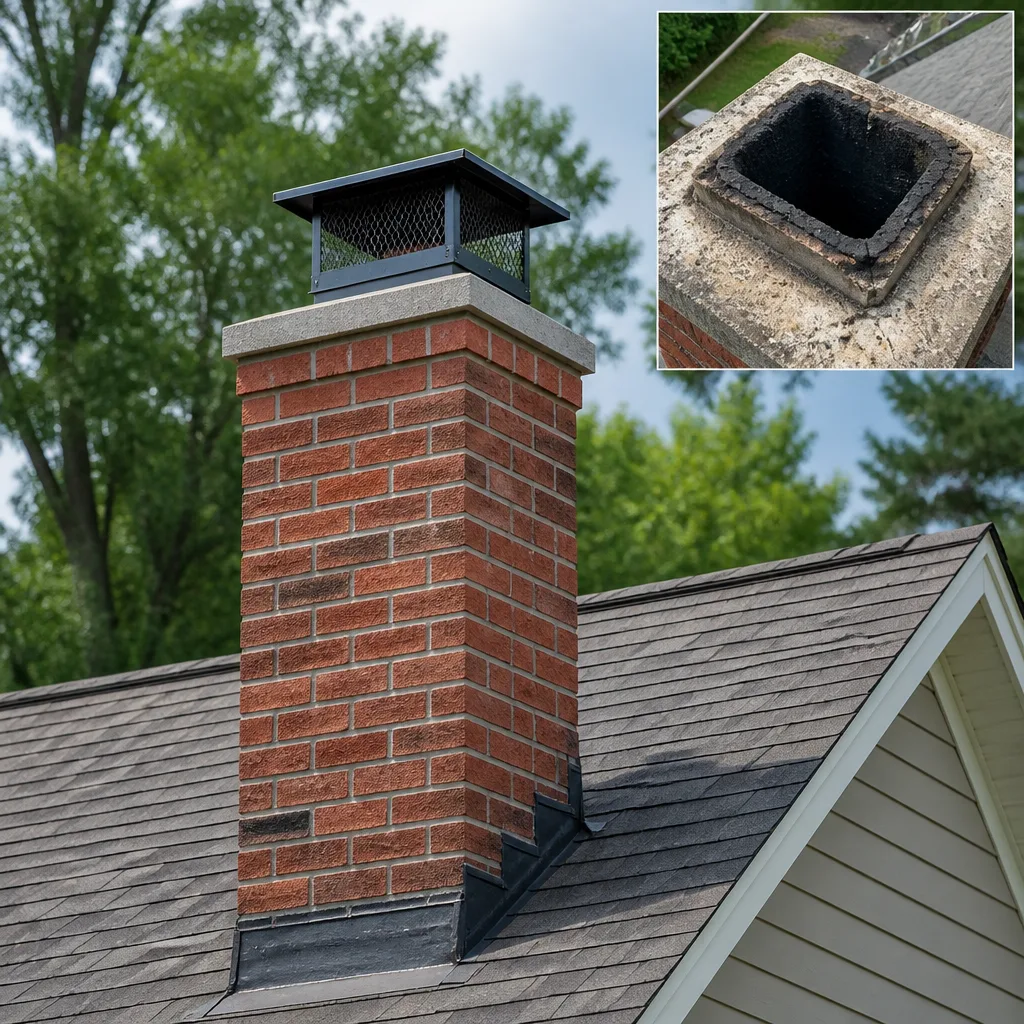 Sweep & inspection
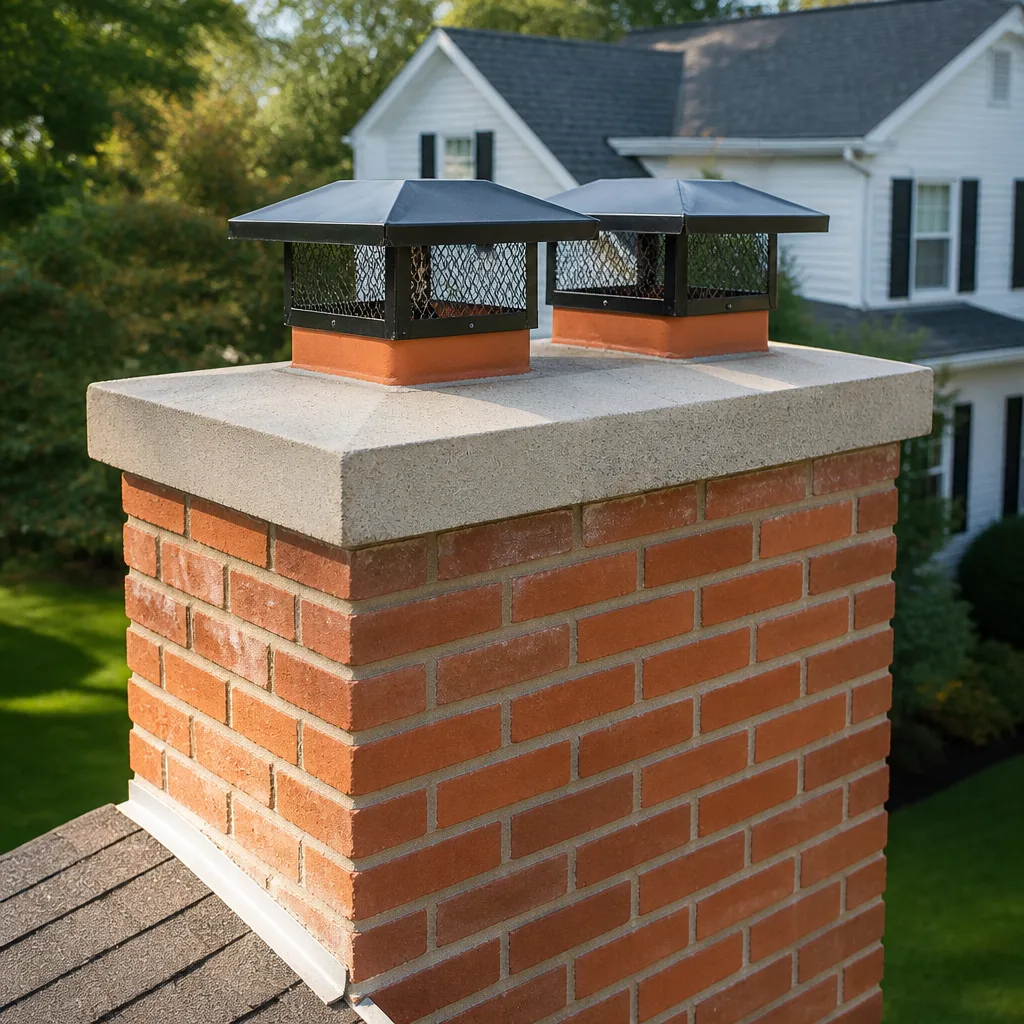 Caps & crowns
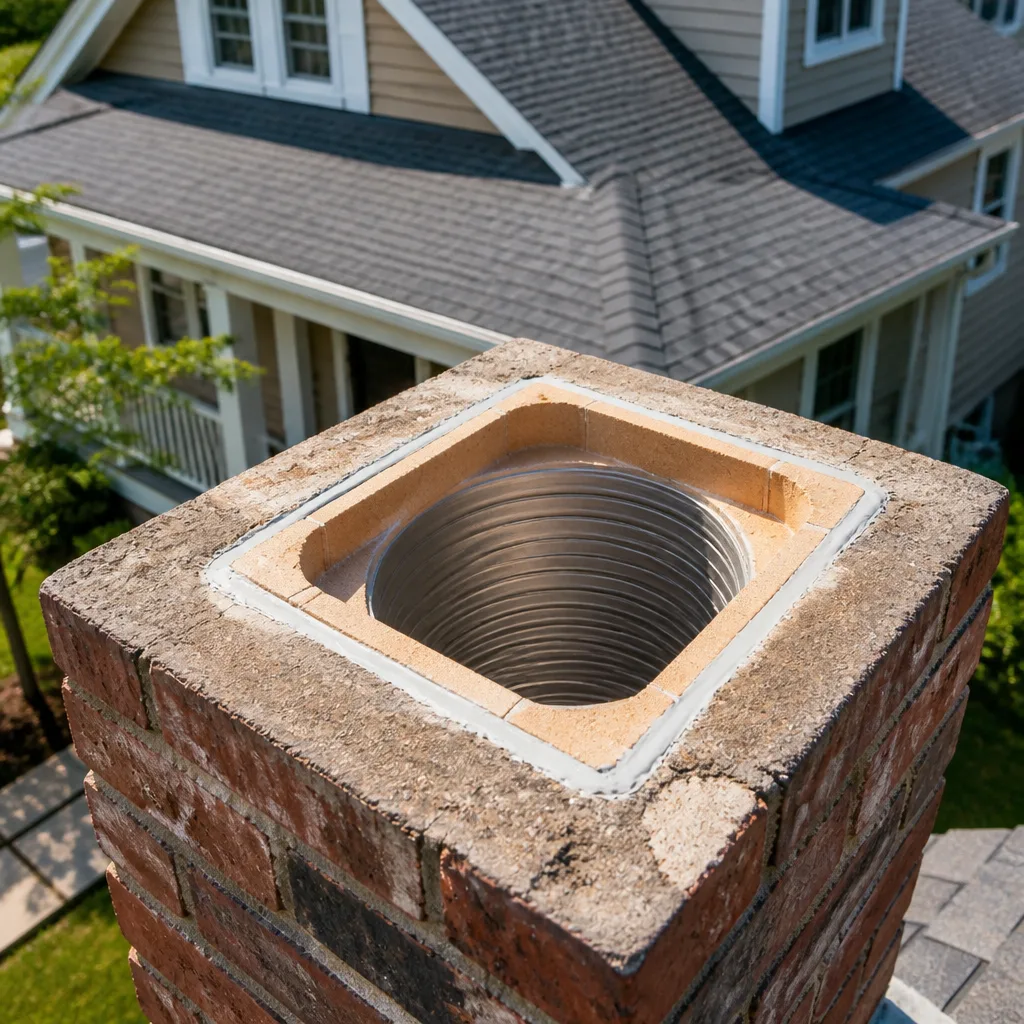 Flue relining
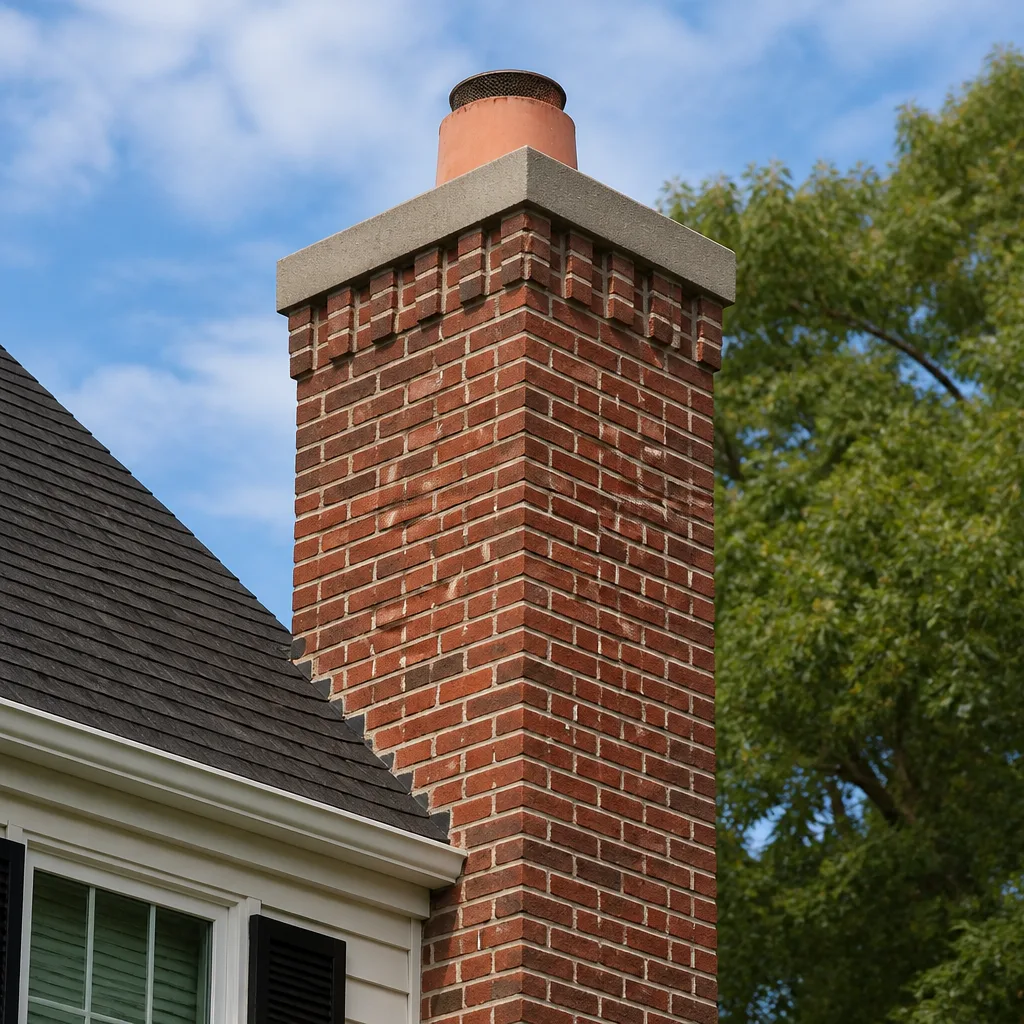 Masonry repair
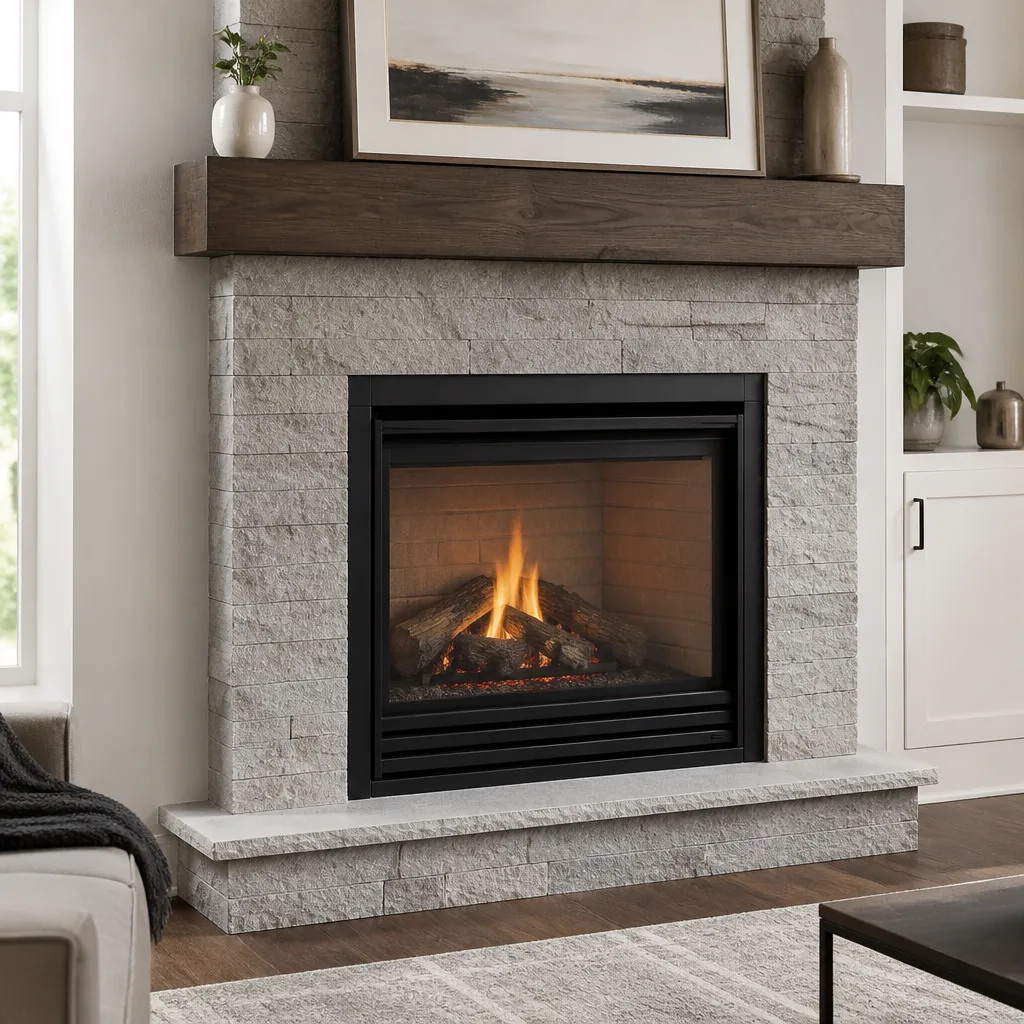 Gas fireplace service
Level 1 sweep and inspection to the NFPA 211 annual standard - flue, crown, cap, and flashing checked and photographed
Chimney sweep logs do not sweep chimneys. They loosen some creosote - which then falls where a brush and vacuum still have to collect it.
The Complete Guide to Chimney Cleaning in Fayetteville
Most chimney care advice is written for New England winters and the long, dry burn seasons of the Northeast and Midwest. Fayetteville doesn’t burn that way. Our cold snaps are shorter and often interrupted by mild days, our firewood leans heavily on pine and mixed softwoods, and our humidity runs high even in the months nobody thinks about the fireplace. That combination produces creosote at stages and in places that a generic annual-cleaning schedule doesn’t account for. In this guide we’ll map exactly what accumulates in a Piedmont-region flue, how Fayetteville’s climate and housing stock change the picture, and how to read a sweep’s report so you know whether cleaning alone fixed the problem or whether something else needs attention.
Quick Answer
Chimney cleaning in Fayetteville means removing soot and creosote from the flue, firebox, smoke chamber, and damper, then confirming the flue is clear and structurally sound. It should be done whenever creosote reaches about an eighth of an inch, and at least once a year if you burn regularly. For most Fayetteville homes a professional sweep takes one visit, uses rotary brushes and a HEPA vacuum so nothing ends up in your living room, and finishes with a written assessment of what the camera found.
Styles & brands we work with
- Sweep & inspection
- Caps & crowns
- Flue relining
- Masonry repair
- Gas fireplace service
Table of Contents
- Why Fayetteville Chimneys Get Dirty Differently
- What Creosote Is and How It Stages
- Pine, Mixed Softwoods, and the Creosote Problem
- Chimney Types in Fayetteville’s Housing Stock
- How a Professional Sweep Actually Works
- Level 1 vs Level 2 Inspections, in Plain Terms
- How to Read a Sweep’s Report
- How Often Should You Sweep?
- What Chimney Cleaning Costs in Fayetteville
- Common Mistakes to Avoid
- When to Call a Professional
- Frequently Asked Questions
- The Bottom Line
Why Fayetteville Chimneys Get Dirty Differently
A chimney guide written for Minnesota assumes a long, steady heating season where the flue runs hot for months. Fayetteville doesn’t work that way. Our winters swing between cold snaps that demand a fire and mild stretches where the fireplace sits cold. That pattern matters for creosote, because creosote formation is driven by flue temperature and by how often the fire cycles on and off. A chimney that heats up, cools down, and heats up again spends more time in the temperature range where creosote sticks to the walls.
Humidity plays a role too. Fayetteville sits in the Sandhills transition zone with a Piedmont climate – warm, wet, and long. That moisture doesn’t just affect your house siding; it works on the chimney itself. Masonry absorbs moisture over the summer, and when fall arrives and the first fire heats that damp brick, the chimney behaves differently from one that stays dry. Damp masonry plus repeated cool-down cycles is a recipe for faster creosote buildup near the smoke chamber and the top of the flue.
We’ve also learned to watch the shoulder seasons. In Fayetteville, homeowners often burn into March and sometimes April, then stop. If a chimney is swept in September and the homeowner keeps burning through a mild, cool spring, the flue can carry a full season of creosote and go untouched until the next fall. That gap is one reason a strict “once a year in fall” schedule can under-serve a Fayetteville house. If you burn heavily in shoulder-season months, mid-season inspection is worth considering.
You can learn more about how we approach Delmar Chimney Sweep and our sweep, repair, and inspection services if you want to see how this plays out in practice.
What Creosote Is and How It Stages
Creosote is the byproduct of incomplete combustion. When wood burns, the smoke carries unburned gases and tar vapor up the flue. If the flue stays hot and the smoke exits cleanly, most of that stays a light dust. If the flue cools too fast, the vapor condenses on the flue walls and hardens into creosote. The stage and appearance of that creosote tells you how urgent cleaning is.
There are three stages that matter for a Fayetteville flue:
- Stage 1 – Soot and light flaky creosote. This is what a well-run flue with a hot fire produces. It brushes off easily. Cleaning this stage is routine.
- Stage 2 – Crusty, flaky, dark creosote. The buildup is thicker and comes off in chunks rather than dust. This is where a homeowner-driven cleaning schedule starts to slip – the flue looks “fine” to the eye, but the crust is already building.
- Stage 3 – Glazed creosote. Shiny, hard, and tar-like. Glazed creosote is the reason chimney sweeps exist as a trade. It doesn’t brush off; it has to be chemically treated or removed with rotary equipment or a resurfacing product.
Glazed creosote is the highest fire risk because it burns hot and fast when it ignites. You cannot safely verify your own creosote stage from the firebox – you have to look at the flue walls, which means a camera and the right lighting. That’s part of what a professional sweep does.
If a chimney has been caught early enough, or if the flue has minor damage from a prior fire, HeatShield ceramic resurfacing can restore the flue without a full reline. It’s the documented alternative to relining, and it can save the expense of tearing out a chimney that isn’t structurally compromised.
Pine, Mixed Softwoods, and the Creosote Problem
Fayetteville has a lot of pine. Loblolly pine, shortleaf pine, and other Southern pines are everywhere. Homeowners burn pine because it’s available, it’s cheap, and it lights fast. It also produces more creosote than hardwood, because pine is resinous and burns hot but fast, which means the flue gets a big burst of heat followed by a fast cooldown. That cool-down is where the tar vapor condenses.
The issue isn’t that pine is unsafe to burn. It’s that pine requires a hotter, better-drafted fire and more attention to creosote buildup than hardwood does. A homeowner who mixes pine with oak or hickory will build creosote more slowly than one who burns pine exclusively. A homeowner who burns pine and also runs the fire damped down (a “long burn” overnight fire) will build glazed creosote faster than any annual cleaning schedule can keep up with.
What we tell Fayetteville homeowners who burn pine:
- Burn seasoned wood. Pine that’s been split and stacked for at least a full season before burning dries out the resin that causes the fastest creosote.
- Don’t burn cool. A fire that smolders produces more creosote than one that burns hot and clean. If you’re looking for a long low burn, pay attention to the flue condition more often.
- Sweep more frequently, not less. If you burn pine heavily, an annual sweep may not be enough. Twice yearly if you burn a lot of pine is not unusual in Fayetteville.
There’s no shortcut around this. The wood you burn determines the creosote load, and no sweep or brush can remove what a homeowner keeps adding by burning wet or soft wood.
Chimney Types in Fayetteville’s Housing Stock
Chimney condition in Fayetteville depends a lot on when the house was built. The most common patterns we see:
- 1970s-1990s brick masonry chimneys. These are the standard Fayetteville chimney. Brick with a clay tile liner, often with a smoke chamber that’s less than ideal by today’s standards. The clay tiles can crack over time, especially with the heat-cycling of a climate that goes from hot to cold seasonally. These chimneys are where liner replacement and resurfacing come up most often.
- Newer prefab fireplaces and gas inserts. Manufactured fireplaces with metal liners, often installed in homes built from the 1990s forward. Prefab units have their own rules and their own component parts, and the flue needs to be matched to the appliance. A prefab fireplace with a mis-sized liner or a liner that was replaced with a smaller component can draft poorly.
- Older masonry with an offset flue. Some Fayetteville homes have a flue that bends around a structural element. These are the ones a rigid liner won’t fit into. DuraFlex flexible liners are the professional standard for offset and complex flue retrofits, because they can negotiate a bend without breaking the flue.
Each of these needs a different approach. A sweep on a brick masonry chimney is not the same procedure as a sweep on a prefab unit, and a reline on an offset flue is not the same job as a reline on a straight stack. When you call for chimney sweep, the first thing that matters is knowing what you’re looking at.
How a Professional Sweep Actually Works
A proper chimney sweep is a controlled operation, not a guy with a brush. Here’s what a professional sweep looks like from start to finish:
- Set up the work area. Drop cloths on the hearth and floor, and a HEPA vacuum rigged at the firebox so the pressure inside the flue is negative. That negative pressure means nothing escapes into your living room.
- Inspect the firebox and damper first. Before brushing anything, the technician confirms the damper works and the firebox is sound. A damper stuck open or a firebox with cracked refractory needs to be noted before, not after, the sweep.
- Run the camera. A camera check of the flue walls, the smoke chamber, and the top of the chimney gives the technician a before-and-after record. This is also how creosote stage is confirmed.
- Brush the flue. Rotary or hand brushes sized to the flue. The brush is worked from the top down or bottom up depending on the configuration, with the vacuum running throughout.
- Clean the smoke chamber and damper shelf. The smoke chamber is the sloped transition between firebox and flue. It’s where creosote pools because the slope is slow. This is a step that gets skipped on a cheap sweep.
- Clean the firebox and hearth. Soot and ash removed, hearth swept, drop cloths folded back up.
- Re-run the camera and write the report. This is the part that matters most for the homeowner. The report should tell you what the flue looked like before and after, what the creosote stage was, and what further work, if any, the camera found.
We use HeatShield ceramic resurfacing and DuraFlex flexible liner systems because those are the materials the industry actually specifies for flue repair and relining – not because they’re what’s on sale at the hardware store. A sweep done right means the trade that inspected the flue is also the trade that can repair it, with the right materials on hand.
Level 1 vs Level 2 Inspections, in Plain Terms
The National Fire Protection Association defines chimney inspection levels, and most homeowners hear “Level 1” and “Level 2” and tune out. In practice, the difference is simple.
A Level 1 inspection is what happens on a routine sweep. The technician inspects the readily accessible portions of the chimney – firebox, damper, smoke chamber, flue from the top or bottom, and the exterior at ground level. It’s the appropriate inspection when the chimney is in continuous service, hasn’t changed, and hasn’t had a problem. A Level 1 inspection is the baseline for routine annual service.
A Level 2 inspection is what you want when something has changed. A Level 2 includes everything from a Level 1 plus a video camera scan of the flue interior, and it’s required in specific situations:
- A property is changing hands (real estate transaction).
- The appliance has been replaced or the fuel type has changed.
- The chimney has been through an event – a chimney fire, a nearby lightning strike, an earthquake, or a structure fire.
- The homeowner is adding an appliance, like a new insert or a new flue-connected heater.
- An insurance carrier requests documented inspection before renewing or writing a policy.
In Fayetteville, Level 2 inspections come up regularly for real-estate transactions and for insurance carriers. A Level 2 inspection should produce documentation – a written report with camera photos, observations, and the technician’s assessment of what the flue condition is. A chimney inspection is supposed to give you a document, not just an opinion. That document is what your insurer or your buyer actually wants.
We keep chimney repair separate from inspection in scope. An inspection is not an upsell gateway; it’s a standalone, documented service. Sometimes it finds nothing. That’s a good outcome, not a missed sale.
How to Read a Sweep’s Report
Here’s the part most homeowners aren’t prepared for. A sweep report can tell you that the flue is clean and you’re done, or it can tell you that cleaning solved the problem but something else needs watching, or it can tell you that a repair is worth scheduling before next season. Knowing the difference matters.
Read the report in this order:
- Look at the before-and-after photos. If the report doesn’t include camera photos, ask for them. You should be able to see the difference between the “before” flue walls and the “after” flue walls.
- Check the creosote stage. Ideally it’s noted as Stage 1, 2, or 3. Stage 3 glazed creosote means cleaning alone may not have brought the flue back to a normal state; a treatment or resurfacing may be necessary.
- Look for “noted” items vs. “recommended” items. A “noted” item is a watch item – cracks in facing masonry, a damper that sticks. A “recommended” item is work the technician thinks should happen. Both are honest categories, but they’re different. If everything is “recommended” including things that look minor, ask why.
- Ask for repair is pressed: “Would this wait until spring?” If the answer is yes, it’s not urgent. If the answer is “no, a fire could cause damage,” get the reasoning, not just the recommendation.
- Confirm the flue dimensions. If a liner replacement is recommended, the report should show the flue tile dimensions. A liner sized wrong for the flue is worse than no liner.
- Check the appliance page. The report should confirm the fireplace type – open masonry, gas insert, wood insert, prefab – because each has different maintenance and safety thresholds. A report that doesn’t identify your appliance isn’t a complete report.
- Save it. Fire insurance tends to require proof of inspection and sweep. That report is worth keeping in your home file.
One important habit: it’s fine to get a second opinion. If the report recommends a several-thousand-dollar liner replacement and you can’t see the problem in the photos, ask for a separate inspection. A legitimate technician will not resist that. If a repair can wait, it should wait. That’s not a sales problem – it’s a trust problem, and we’d rather have the trust.
How Often Should You Sweep?
The standard answer is once a year. For Fayetteville, treat that as a minimum, not a maximum.
Here’s how to think about it based on how you actually burn:
- Light use (occasional fires, hardwood only): Once a year, before the burning season.
- Regular use (several fires a week in cold months, mixed wood): Once a year in fall and a mid-season check in January or February if you’re seeing creosote buildup.
- Heavy use (pine-heavy burn, daily fires, long burns): Twice a year. In Fayetteville, pine-heavy homes are the ones most likely to need the second sweep.
- Gas inserts and prefab fireplaces: Once a year for the appliance, but the flue may need less frequent cleaning than a wood-burning masonry chimney. The annual inspection still applies.
The other time to sweep is whenever you notice the signs: creosote visible at the top of the firebox, a strong smell on a damp day, smoke spilling into the room when you open the damper, or unusual sooting on the glass front of an insert. Those are all reasons to call for a check, not necessarily a full sweep.
If you’re in a Fayetteville home that sees a lot of pine or has been burning heavily for years, we also want to be clear about a dirty secret of the trade: an annual sweep that ignores the smoke chamber is not a complete sweep. The smoke chamber is above the firebox and behind the damper. It’s the sloped transition zone, and it’s where creosote pools when it doesn’t make it up the flue. A sweep should include cleaning that area, or the report should say why it wasn’t cleaned.
What Chimney Cleaning Costs in Fayetteville
You’re going to see a range of prices in Fayetteville, and the cheapest quote is rarely the full picture. A sweep that skips the smoke chamber, doesn’t camera-inspect, and leaves soot on your hearth is the same price as a proper sweep until you compare what was done. So the useful question isn’t “what’s the price?” but “what’s included?”
Costs are driven by a few things: chimney type (masonry vs. prefab), creosote stage, access (roof pitch, chimney height, obstructions), and whether the visit includes a Level 1 inspection (it should) or a Level 2 (camera-based, usually requested separately). All prices are estimates; the written estimate sets the final price.
| Service | Typical estimate range | Notes |
|---|---|---|
| Standard chimney sweep (masonry, Level 1 inspection included) | Call for written estimate | Price depends on chimney type, number of flues, access, and creosote stage |
| Level 2 camera inspection (as part of a sweep or standalone) | Call for written estimate | Camera scan of the flue interior plus documentation for insurance or real estate |
| HeatShield ceramic resurfacing (qualifying flues) | Call for written estimate | Alternative to full reline; documented for the flue condition it’s meant to fix |
| DuraFlex flexible liner installation | Call for written estimate | Professional-grade flexible liner system, including for offset flues |
| Cap, damper, and masonry repair | Call for written estimate | Copperfield and Famco caps, damper work, spot masonry repair |
The one rule we hold to is that the estimate is written, itemized, and free – and the final price is set by that written estimate. If a quote doesn’t name the scope, the materials, and the inspection level, it isn’t a quote yet.
Most homeowners in Fayetteville ask us the same first question: “How much does a sweep cost?” The answer depends on the specifics of your chimney, but the estimate is free and there’s no obligation. Call (855) 608-7738 and we’ll walk you through it.
Common Mistakes to Avoid
- Burning wet pine. Pine split and stacked properly is a workable fuel. Pine that’s been sitting stacked on the grass for two months is a creosote factory. Regardless of species, wet wood burns cooler and produces more tar vapor.
- Assuming a fall sweep covers the whole year. In Fayetteville, a lot of burning happens in March, April, and even May. If you burn in shoulder seasons, run the sweep later or consider a mid-winter check.
- Hiring a “chimney sweep” who doesn’t camera-inspect. A sweep without a camera check is a brush-and-hope visit. You can’t see the flue walls from the firebox, and neither can they.
- Trusting a report with no photos. If the report says liner replacement is needed and there’s no camera photo showing why, ask for one. A legitimate recommendation is visual.
- Skipping the smoke chamber. The smoke chamber is where creosote collects. A sweep that brushes the flue and skips the smoke chamber is missing a third of the job.
- Closing the damper after every burn. This traps moisture in the flue and accelerates masonry deterioration. A slightly cracked damper keeps the flue dry.
- Burning trash, wrapping paper, or Christmas trees. All of it produces fast creosote and flash fires. The chimney isn’t built for the extra heat.
- Ignoring a chimney fire because “it went out.” A chimney fire often damages the flue tiles without being obvious from the firebox. Any suspected fire deserves a Level 2 inspection, not a wait-and-see.
When to Call a Professional
Call a professional if you’re seeing creosote at an eighth of an inch or more, if you’ve had any fire that sounded like a freight train, if the damper sticks or won’t seal, if you’ve noticed smoke rolling into the room when you open the damper, or if you’re about to buy or sell a house with a wood-burning fireplace. Also call if you’ve recently changed what you burn – a gas insert replacing a wood firebox, a new flue-connected appliance, or a fireplace you’ve started using after a few dormant years. Those are the moments when an inspection tells you something concrete, and the risk of skipping it is higher than the cost of the visit.
If you’re not sure, a free estimate is enough to start. Delmar Chimney Sweep offers free estimates in Fayetteville – call (855) 608-7738. We answer 24/7. Fast dispatch from 7am to 7pm, Sunday through Friday.
Frequently Asked Questions
The price depends on the chimney type, the number of flues, the creosote stage, and whether a Level 2 camera inspection is included. The written estimate sets the final price, and the estimate is free. Call (855) 608-7738 for an exact quote – estimates are free.
Once a year is the minimum for most homes, but Fayetteville’s pine-heavy fires and mild shoulder-season burning often justify twice a year if you burn regularly. If you burn mostly hardwood and only occasionally, the annual sweep is usually enough. If you notice creosote at the top of the firebox, call for a check sooner.
Only if the flue is actually compromised – cracked clay tiles, a failed liner, or a flue that’s too large and won’t draft properly. For some flues, HeatShield ceramic resurfacing can restore the interior without a full reline, which is a documented alternative and a lower-cost option for a flue that doesn’t need a full replacement. Nothing should be recommended without camera evidence you can see for yourself. Call (855) 608-7738 for an exact quote – estimates are free.
Creosote builds up, and glazed creosote is the fuel for a chimney fire. That’s the real risk, and it’s not a scare tactic – it’s how the fuel in the flue works. If you miss a year, you’re not guaranteed a fire, but you’re stacking the odds. The damage to the flue tiles from a fire can also be expensive. Call (855) 608-7738 for an exact quote – estimates are free.
No, not safely. The tools and setup are one part of it, but the bigger issue is that you can’t see the flue walls to know the creosote stage, and you can’t camera-inspect for damage. The smoke chamber is out of reach without the right equipment. That’s the part that matters most – we recommend a professional for the inspection alone.
A Level 1 inspection is the baseline check done during a routine sweep, covering accessible portions of the chimney. A Level 2 inspection includes a video camera scan of the flue interior and is what’s typically required for real-estate transactions, insurance documentation, or after a chimney event. A Level 2 inspection produces a written document – and for a real estate or insurance need, that document is the point.
We can work with your insurer. Insurance carriers often request proof of inspection or documentation of flue condition, and our inspection work produces documentation suitable for that purpose. We don’t bill your insurer directly, but we provide the documentation you need for the carrier’s process.
Yes – if it’s seasoned and burned hot enough. The problem isn’t pine, it’s wet pine and long, smoldering burns. Seasoned pine produces more creosote than hardwood, so more frequent sweeping applies. It’s not a reason to stop burning pine; it’s a reason to plan for more frequent sweeps.
The Bottom Line
Chimney cleaning in Fayetteville isn’t a generic annual service – our climate, our pine-heavy burn, and our housing stock shape how creosote accumulates in a way a national guide won’t capture. Sweep more often if you burn pine or burn through shoulder seasons. Ask for a camera check with your sweep, and read the report with a critical eye. A professional sweep should give you a clean flue, a documented inspection, and a straight answer about whether anything else needs to happen. If a repair can wait, it should wait. If it can’t, you should be able to see why in the photos. Otherwise, you’re not getting a sweep – you’re getting a brush-and-hope visit.
Contact
If you’re in Fayetteville and you want a straight answer about your flue – the sweep, the inspection, and the honest assessment of what does and doesn’t need work – call us. We’ll give you a free estimate, write down exactly what the sweep will cover, and send someone out with the camera and the right materials. Call (855) 608-7738 for a free estimate. We answer 24/7. Fast dispatch from 7am to 7pm, Sunday through Friday. You can also learn more about our work in Fayetteville.
Written by the team at Delmar Chimney Sweep.
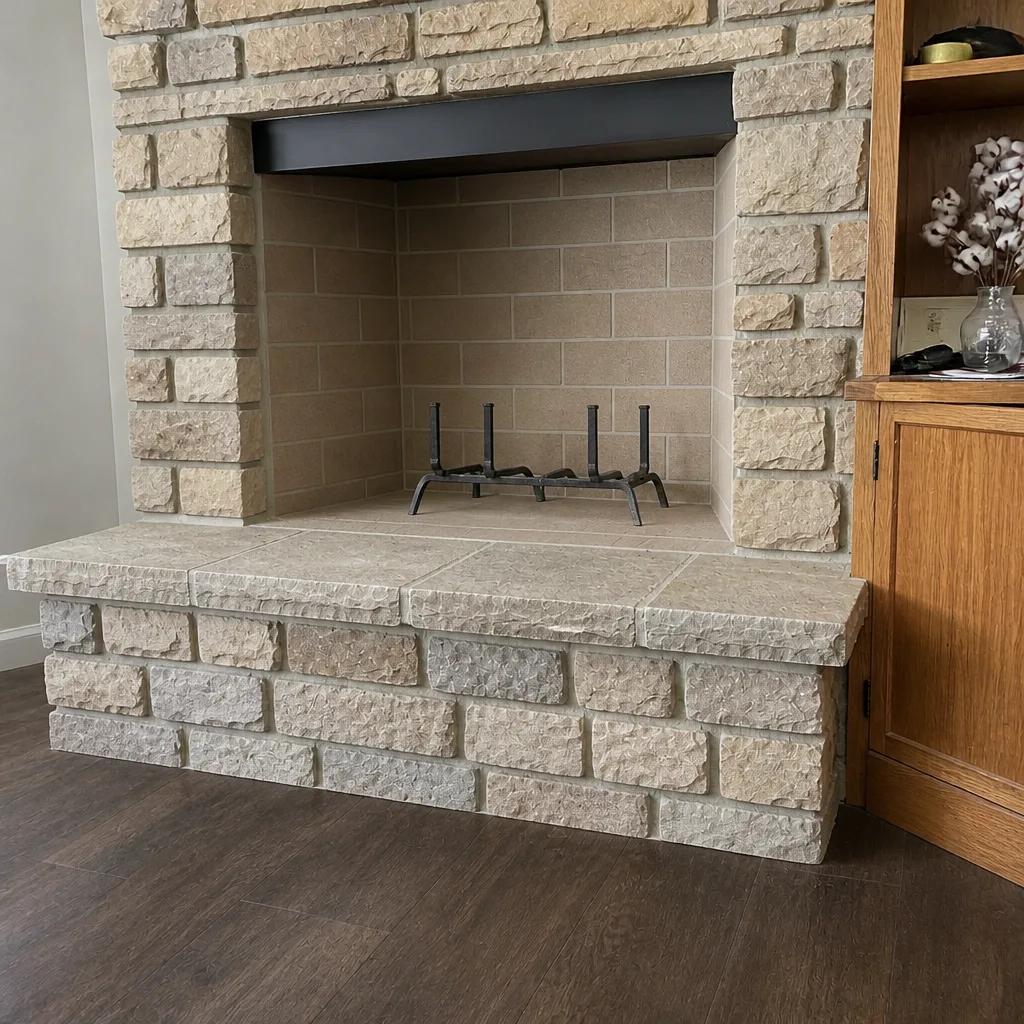
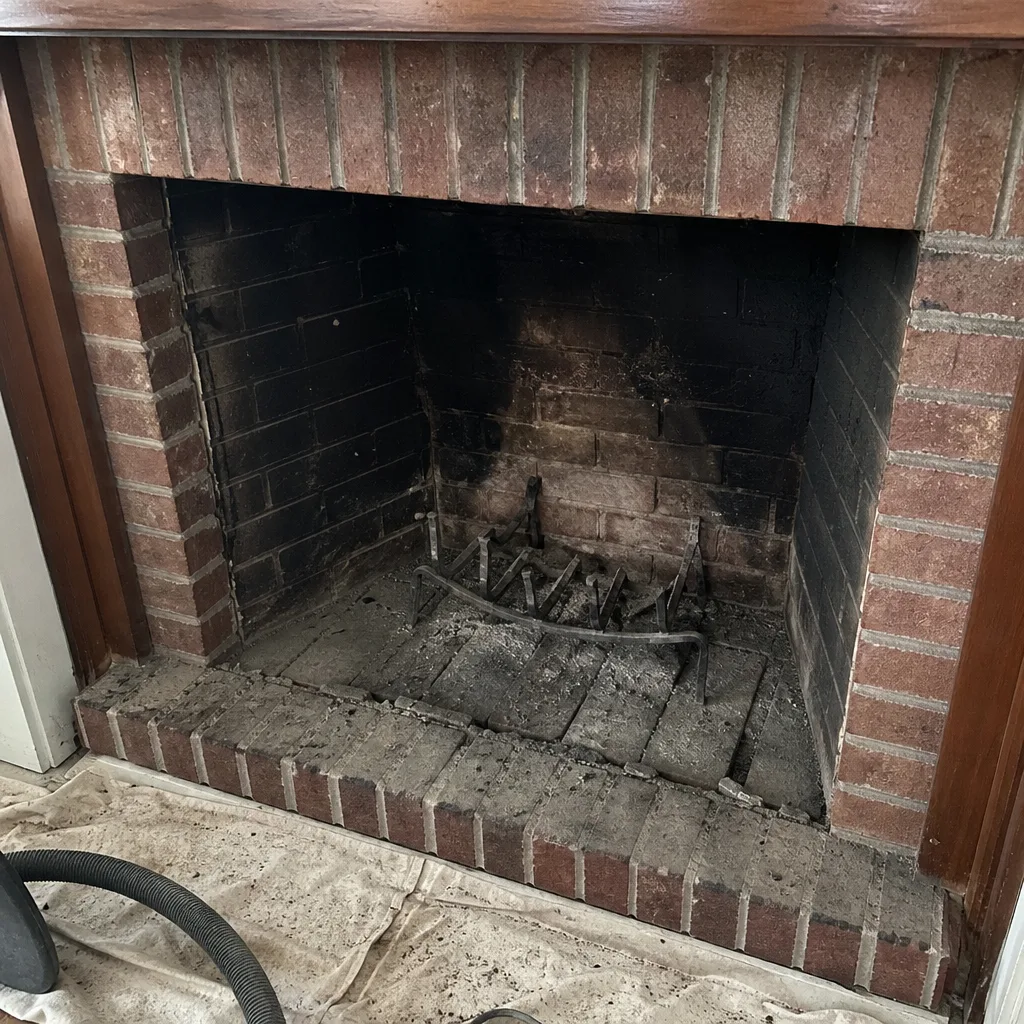
See the difference
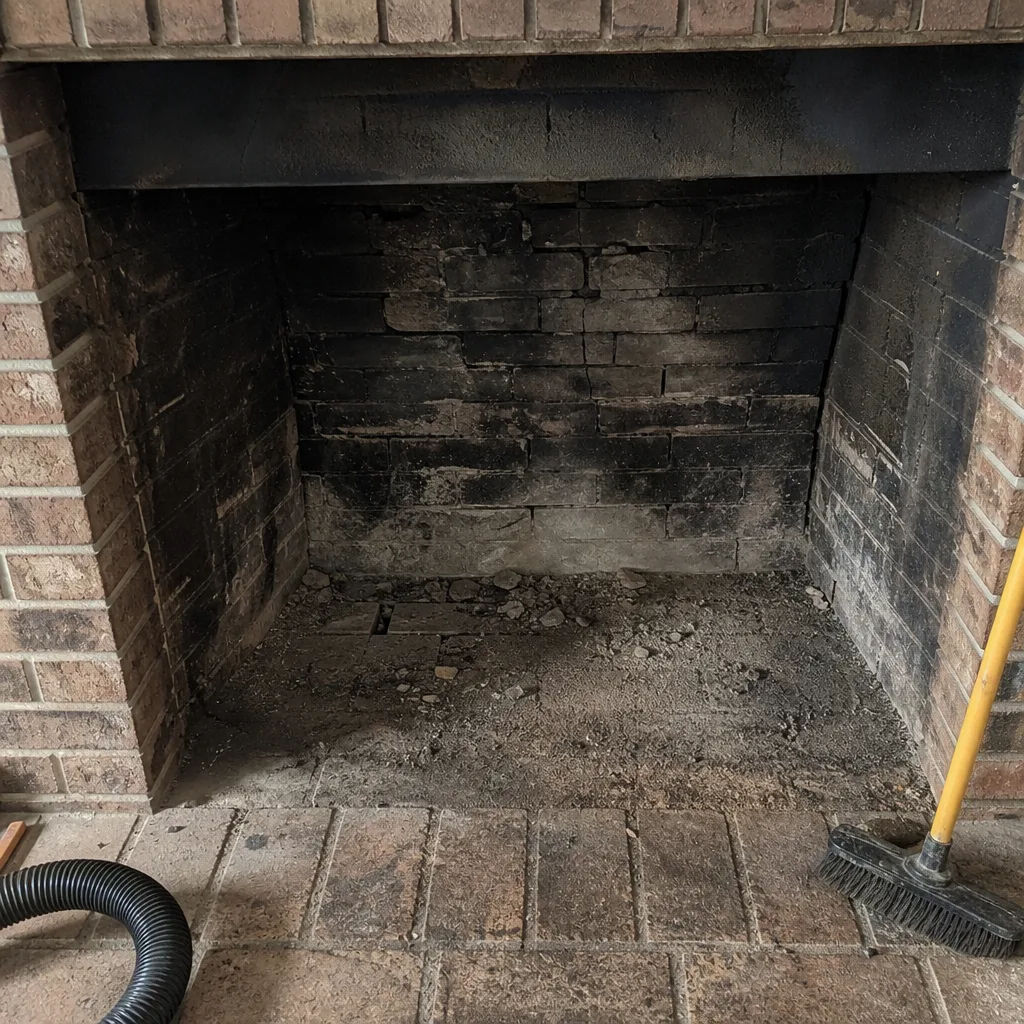 Before
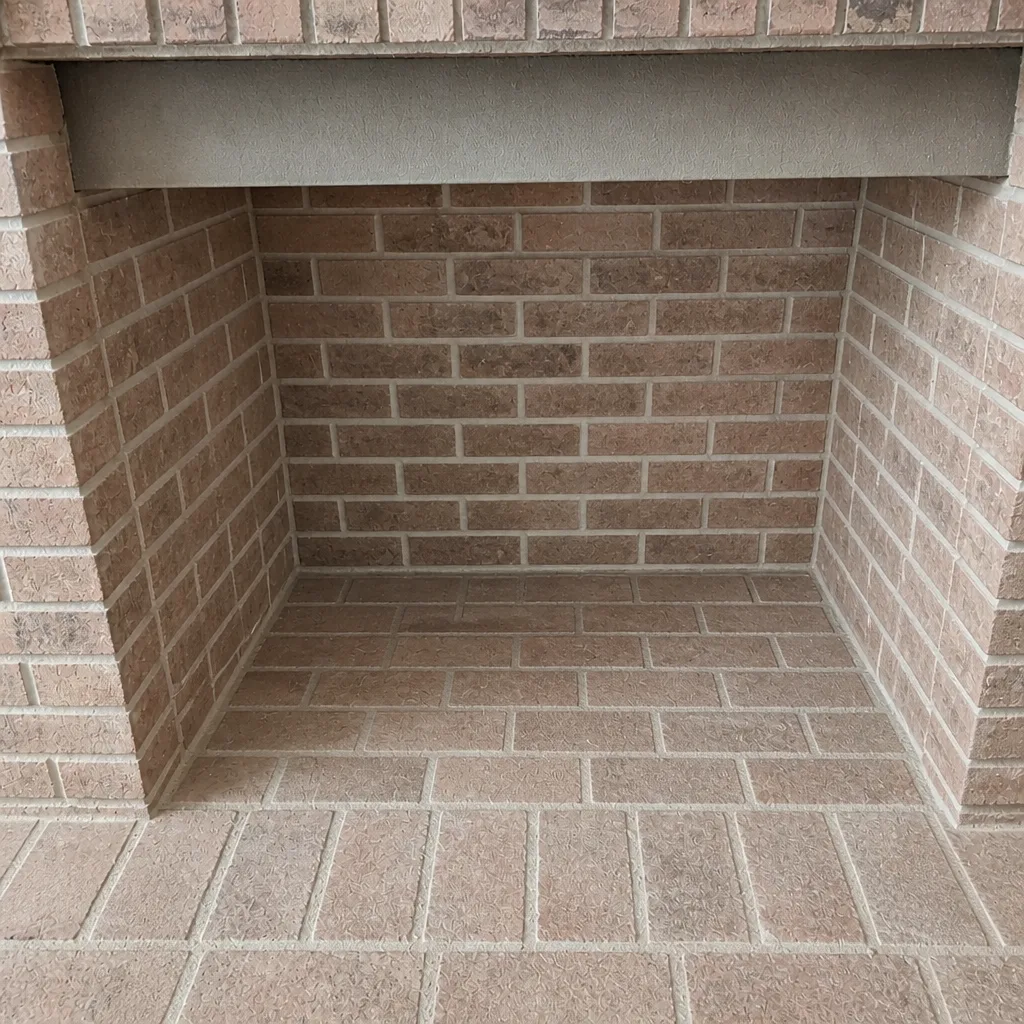 After
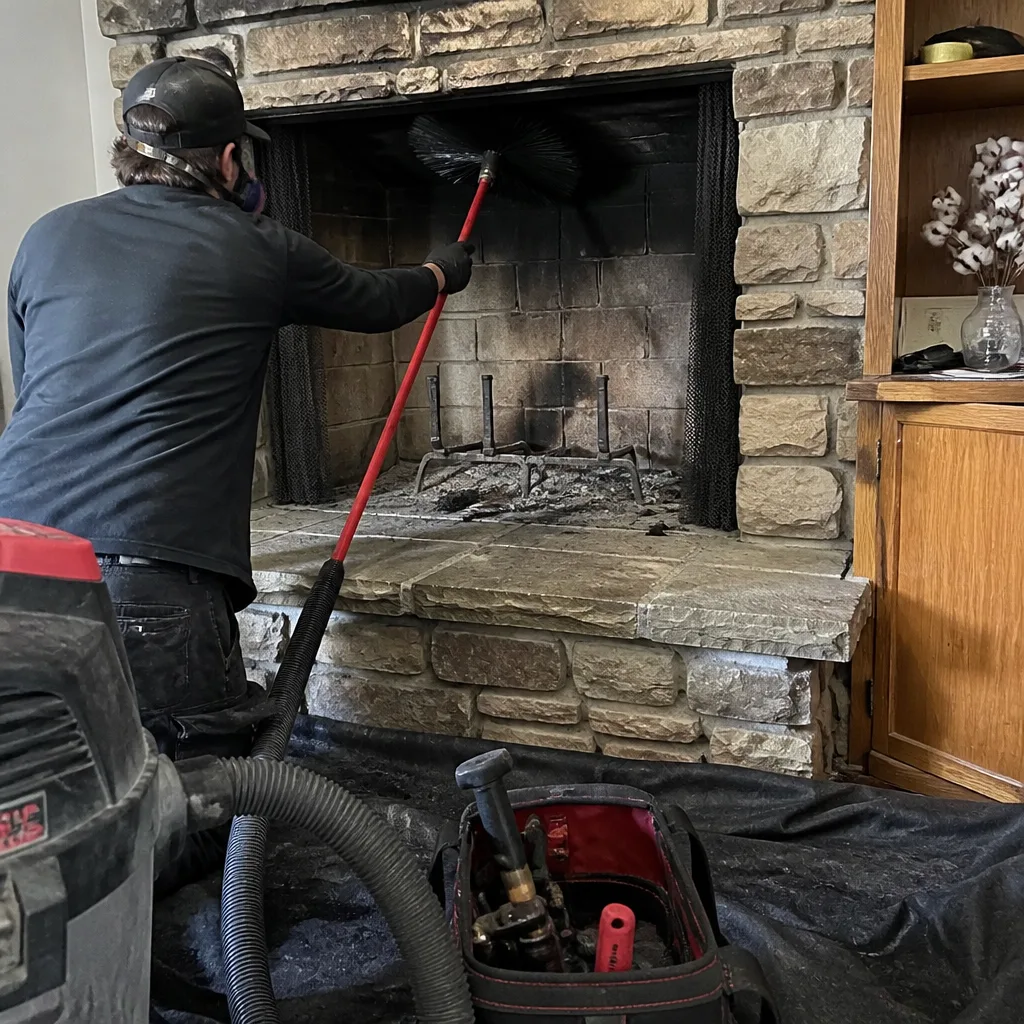 Before
 After
 Before
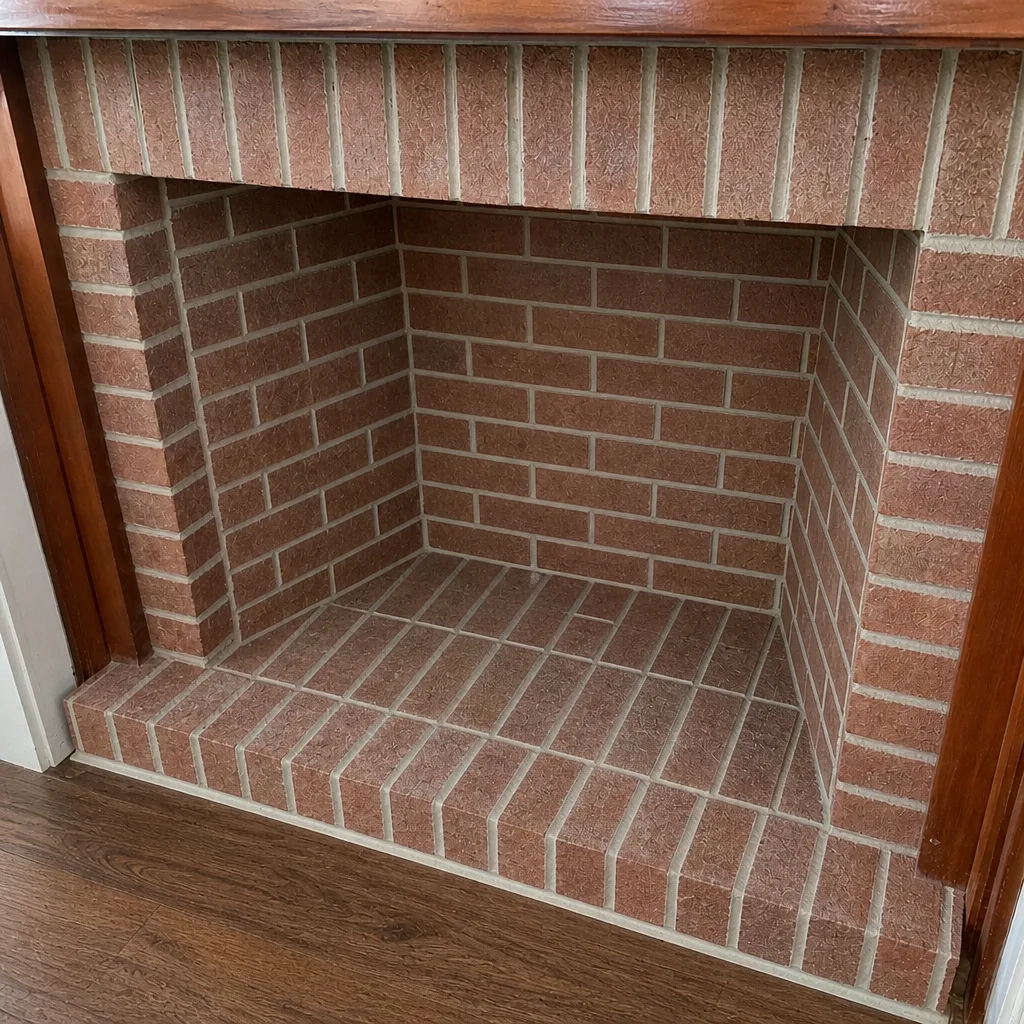 After