
Last updated November 15, 2026
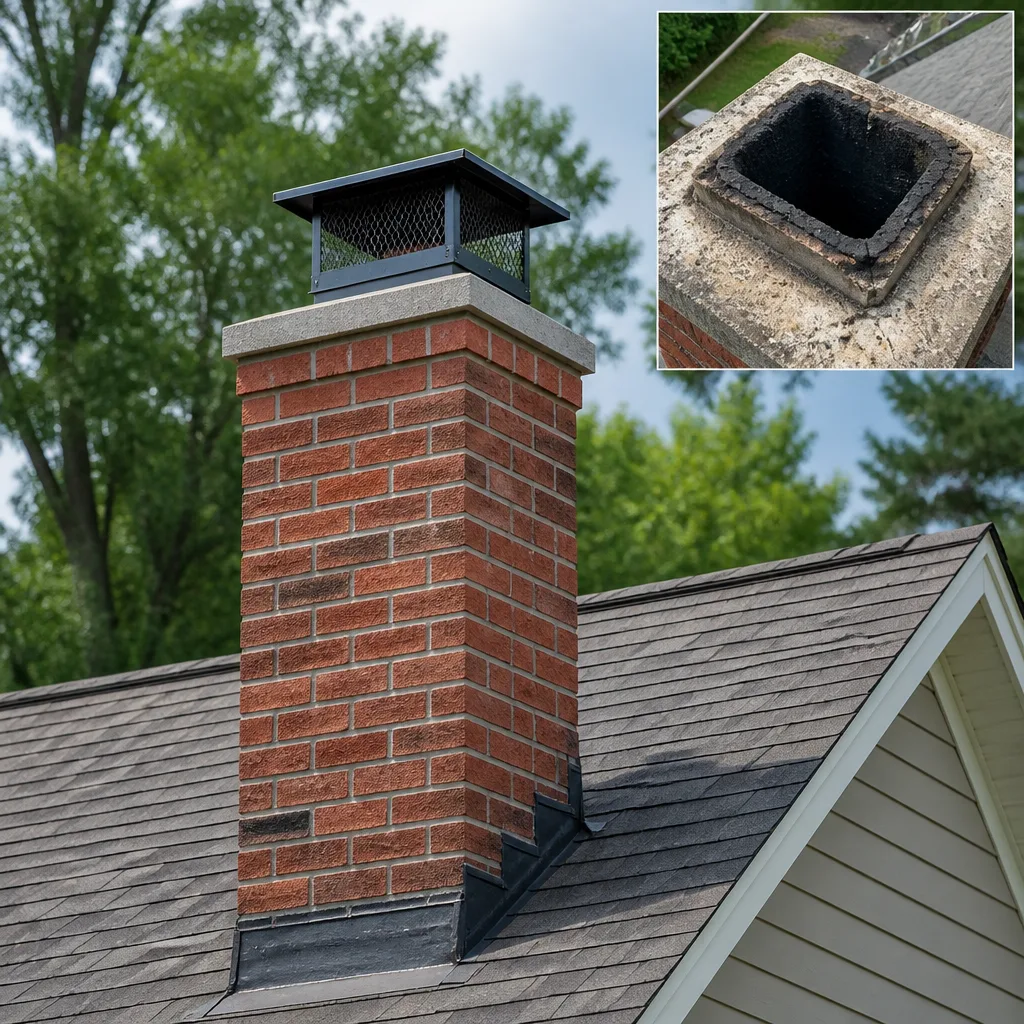 Sweep & inspection
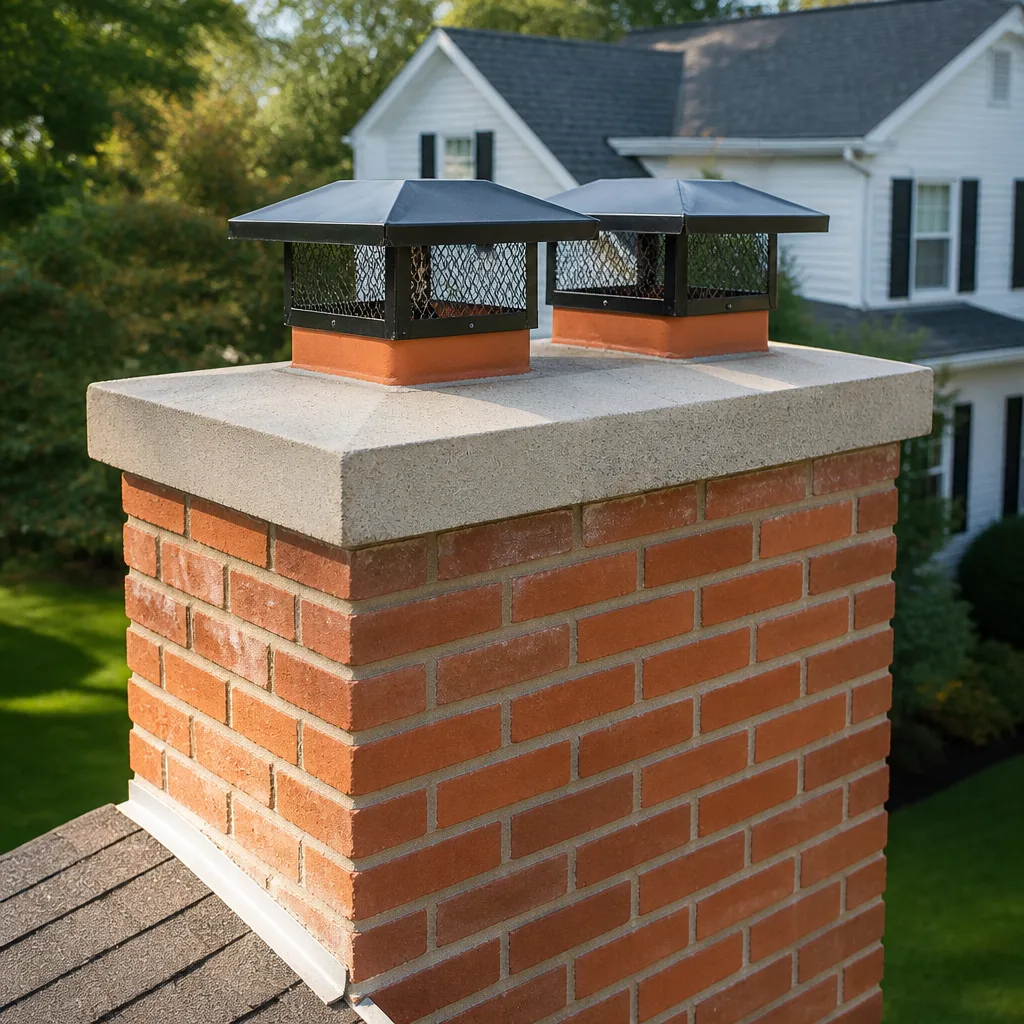 Caps & crowns
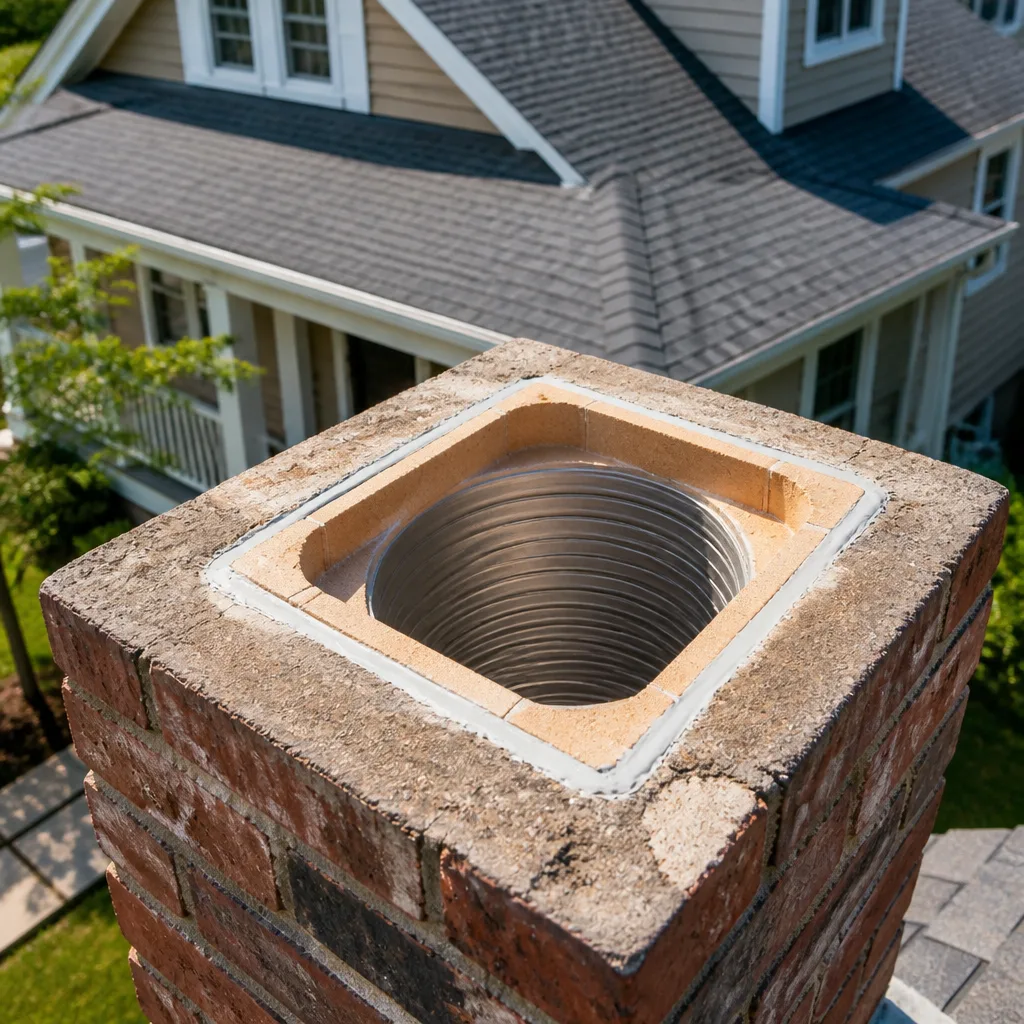 Flue relining
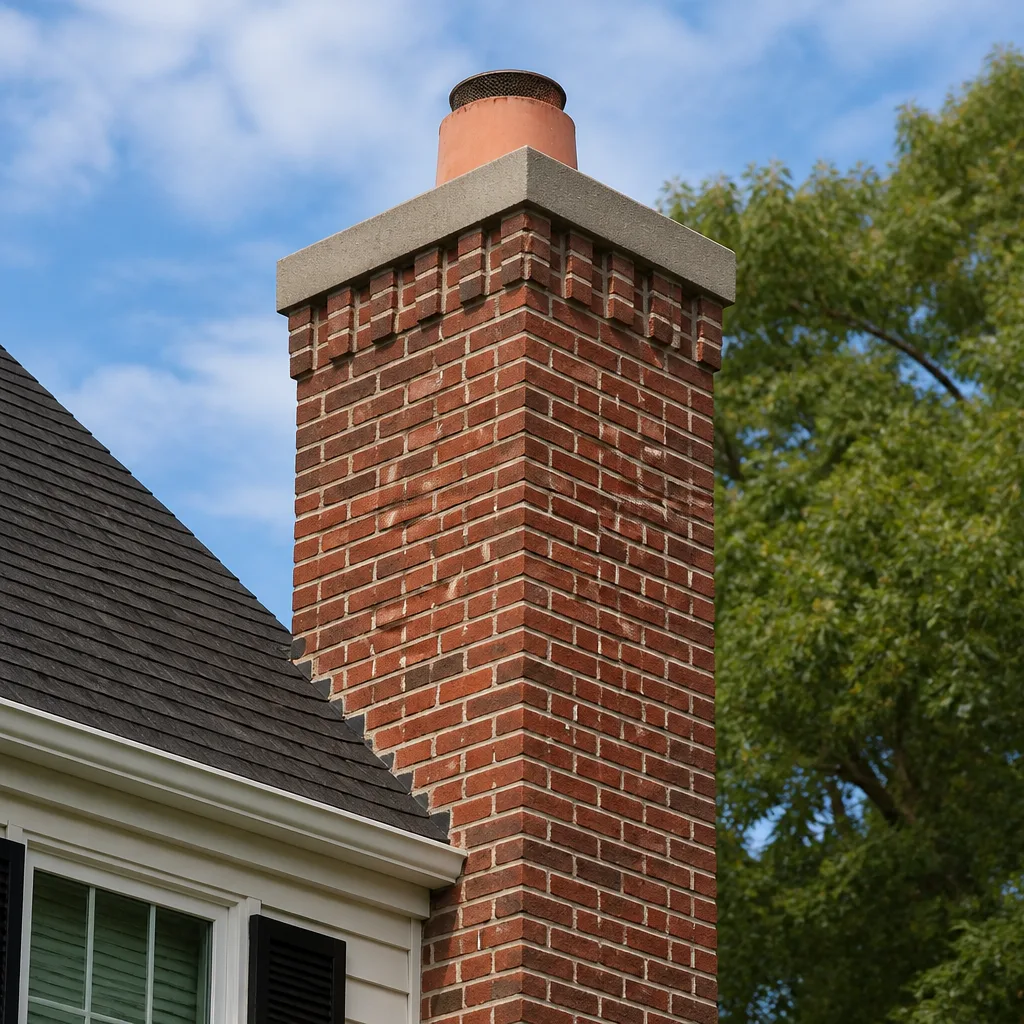 Masonry repair
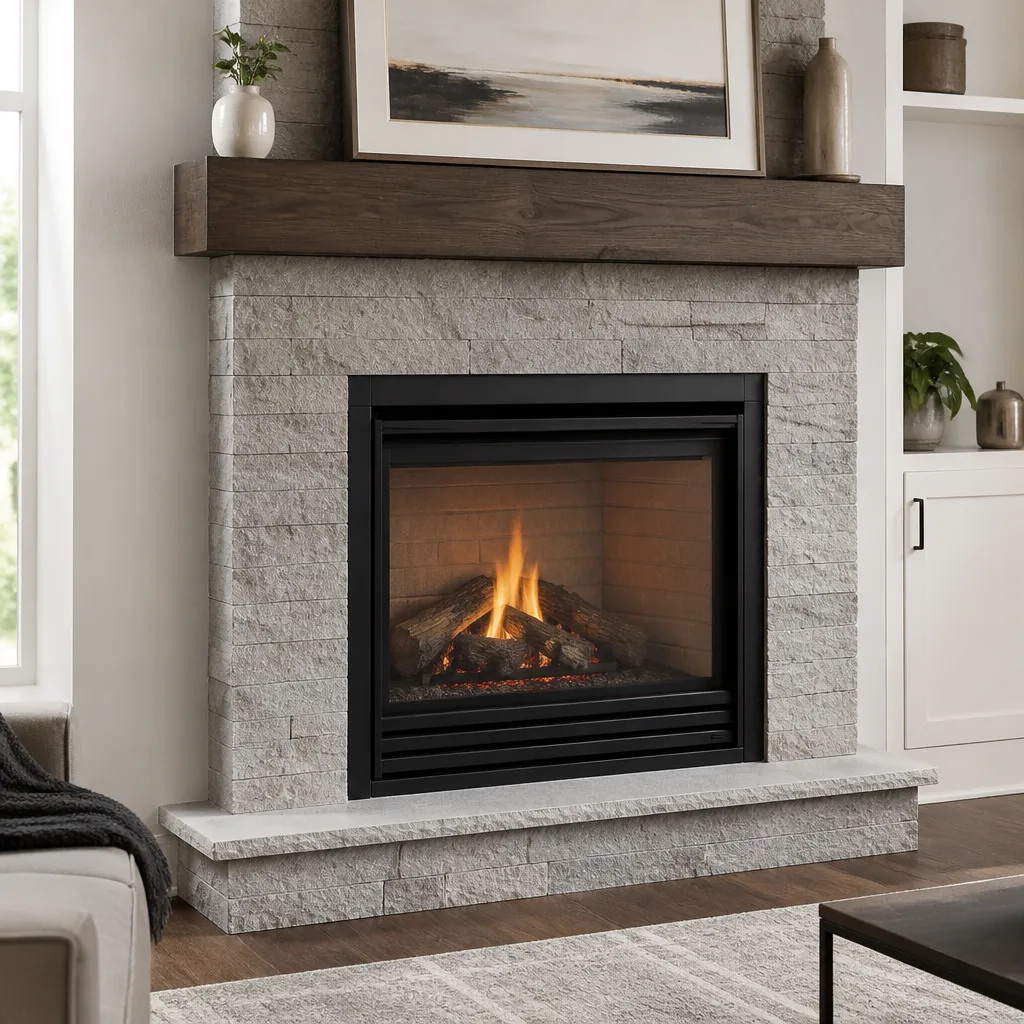 Gas fireplace service
Level 1 sweep and inspection to the NFPA 211 annual standard - flue, crown, cap, and flashing checked and photographed
Chimney sweep logs do not sweep chimneys. They loosen some creosote - which then falls where a brush and vacuum still have to collect it.
Chimney Cleaning Permits, Codes & Inspections in Fayetteville, NC: What You Need to Know
The cleaning itself almost never needs a permit. That’s the part most homeowners get backwards. They assume a permit either covers the whole visit or covers nothing, and the truth sits in a narrow strip between: a sweep is routine maintenance, but the moment that sweep uncovers a cracked flue that needs relining, a firebox that needs rebuilding, or a prefab insert going in, you’ve stepped into permitted work under Cumberland County and City of Fayetteville rules. Knowing where that boundary sits before the work starts is the difference between a clean project and a compliance headache. This guide walks through what triggers a permit, what the NC Residential Code actually governs, how a Level 2 inspection functions in a real estate deal, and how to confirm the contractor is pulling permits when they’re required.
Quick Answer
Routine chimney cleaning and a standard Level 1 inspection in Fayetteville generally do not require a building permit. Any structural work on the chimney – relining the flue, rebuilding a firebox or chimney crown, installing or replacing a prefab insert, or changing the appliance connection – does typically require a permit, and the work must meet the NC Residential Code, which is based on the International Residential Code. A Level 2 inspection is a separate documented service and does not itself require a permit; it’s what you use to prove condition for insurance, a sale, or a repair decision.
Styles & brands we work with
- Sweep & inspection
- Caps & crowns
- Flue relining
- Masonry repair
- Gas fireplace service
Table of Contents
- Where Cleaning Ends and Permit Territory Begins
- What Chimney Work Triggers a Permit in Fayetteville?
- What the NC Residential Code Actually Governs
- What a Level 2 Inspection Means in a Real Estate Transaction
- How to Verify Your Contractor Is Pulling Permits
- Inspection and Project Timeline: What to Expect
- The Three Inspection Levels, Explained
- Why Fayetteville’s Seasons Shape Your Chimney Schedule
Where Cleaning Ends and Permit Territory Begins
Chimney cleaning is maintenance. You’re removing creosote and soot from a flue that is already built and already approved. That’s why a sweep doesn’t pull a permit, and neither does a standard inspection. The appliance and the chimney already exist, and you’re not altering their structure or their connection to the house. In Fayetteville, where a large share of the housing stock has wood-burning fireplaces and older masonry chimneys, a sweep is the most common chimney service by a wide margin, and it’s also the least regulated.
The line moves the instant the work changes something structural or code-relevant. Think of it this way:
- Maintenance (typically no permit): sweeping the flue, removing soot and creosote, a visual inspection, installing a chimney cap on an existing flue, replacing a damaged damper that’s a direct swap.
- Alteration (permit territory): relining the flue, installing a new liner system for a retrofit, rebuilding the firebox, replacing a chimney crown, installing or swapping a prefab insert, changing the appliance from wood to gas or vice versa, extending or re-capping a chimney structure.
The gap catches people because cleaning and repair are often the same visit. A sweep finds a flue with failed tile joints, and suddenly you’re not cleaning – you’re relining. That reline is permitted work. This is exactly why we sweep first, assess honestly, and repair only what the flue actually needs, and why you should never let a contractor fold a reline into a “cleaning” invoice without a permit. If a repair is needed, it’s a chimney repair project with its own scope and its own paperwork. For the routine side of the visit, a chimney sweep stays maintenance.
What Chimney Work Triggers a Permit in Fayetteville?
The clearest way to answer this is by category, because the permit question is really a “did the work change the structure or the appliance” question. Under Cumberland County and City of Fayetteville building code administration, work on the chimney that alters structure, clearances, or the appliance connection is generally permitted and inspected; routine maintenance is not. Here’s how that plays out in practice.
- Liner replacement or retrofit. Removing an old flue liner and installing a new one – whether rigid or flexible – changes the flue’s construction and must meet clearances and listing requirements. This is permitted work. It’s also where the material matters: we use DuraFlex flexible liner systems for the offset and older flues that rigid liners can’t reach, because it’s what the trade actually specifies for retrofits.
- Firebox rebuild or structural masonry repair. Rebuilding a firebox, repairing a cracked chimney crown, or reconstructing damaged masonry changes the structure of the chimney and needs a permit and an inspection.
- Prefab insert installation or appliance change. Installing a wood or gas insert, or changing the fuel type, alters the appliance connection and venting, which is code-governed and permitted.
- Chimney height changes or structural extension. Raising a chimney to meet clearance requirements or altering its footprint is structural and permitted.
- Routine sweeping, Level 1 inspection, cap replacement on an existing flue. These are maintenance and generally do not require a permit.
One caution: local rules can shift, and the authority having jurisdiction makes the final call. Without a stated local amendment, the safe move is to ask the City of Fayetteville or Cumberland County building department directly whether your specific scope is permitted. A permitted job gets inspected; uninspected structural work is what you want to avoid. If you’re unsure which category your project falls into, that’s a conversation worth having before anyone swings a hammer. We answer those questions plainly, and the estimate is free.
What the NC Residential Code Actually Governs
The NC Residential Code, which is based on the International Residential Code, is the document that actually controls how a chimney is built, lined, and connected to the appliance. It’s not a suggestion list – it’s the rulebook the inspector checks against. Knowing what’s in it helps you understand why a liner replacement or insert installation costs what it does and why the permit process exists in the first place.
At a high level, the code governs four things that matter to a homeowner:
- Liner specification. The flue must be lined with an approved material rated for the appliance and the fuel type. A wood-burning flue needs a liner rated for the heat and the corrosive byproducts; a gas appliance needs one rated for its venting. This is why a generic hardware-store liner is a code problem waiting to happen, and why we source from brands like Olympia Chimney that the trade specifies.
- Clearances. The code sets the required distance between the chimney and combustible materials – framing, sheathing, insulation. These clearances are often what a Level 2 inspection checks for, because a hidden clearance failure is a fire risk that a visual sweep would miss.
- Appliance connections. How the appliance connects to the flue, the vent connector sizing, and the termination all fall under the code. Changing this without a permit and an inspection is exactly the kind of work that fails later.
- Termination and height. The chimney must terminate at the required height above the roof and nearby structures to draft properly and vent safely. A too-short chimney drafts poorly and can spill smoke or carbon monoxide back into the home.
When a flue is damaged but not failing, the code-compliant alternative to a full reline is ceramic resurfacing. We use HeatShield, the industry’s leading ceramic resurfacer, for qualifying flues – it restores a damaged liner without tearing out the chimney, and it’s a documented, code-recognized method. Not every flue qualifies. That’s the honest answer, and the flue condition decides it, not a sales target.
What a Level 2 Inspection Means in a Real Estate Transaction
A Level 2 inspection is a documented, in-depth assessment of the chimney – flue, firebox, appliance connection, and accessible clearances – and it produces a written report with photos. It’s the level most often called for when a property is changing hands, when an appliance is being changed, or after a chimney fire or other event. The report is the deliverable. A chimney inspection should give you a document, not just an opinion.
In a Fayetteville real estate transaction, the Level 2 report does two jobs at once. First, it satisfies the insurer’s or the buyer’s need to know the chimney’s actual condition, not a guess. Second, it interacts with the seller’s disclosure obligations – if the report identifies a defect, that becomes a known condition, and known conditions are what disclosure is built around. Buyers and agents use the report to negotiate, to schedule repairs before closing, or to establish that the chimney needs nothing.
What the report typically covers:
- The condition of the flue liner and whether it meets code spec.
- Visible clearances to combustibles and whether they’re within code.
- The firebox, damper, and smoke chamber condition.
- The appliance connection and venting arrangement.
- Photo or video documentation of findings, so the buyer isn’t relying on a verbal summary.
Because inspection work is a standalone, documented service, not an upsell gateway, you can order a Level 2 without being pitched a reline on the spot. If the report finds a defect, that’s a separate repair conversation. For sellers and agents, having the report in hand before listing reduces closing friction, and it’s the same document the buyer’s inspector or insurer will likely want to see. If the chimney needs work, we handle the chimney repair under the same roof, so there’s no finger-pointing between the inspector and the repairer.
How to Verify Your Contractor Is Pulling Permits
Here’s the uncomfortable part: some contractors skip the permit because it costs money and adds an inspection they’d rather avoid. That decision shifts a real liability onto you. As the homeowner, you’re the one who ultimately has to answer for unpermitted, uninspected structural work – when the house sells, when an insurer asks, or when the work fails. The permit is cheap compared to the cost of bringing uninspected work up to code after the fact.
Verifying a permit is straightforward if you know where to look. Here’s the process:
- Ask, in writing, before work starts: “Will this scope be permitted?” A straightforward contractor answers yes without hesitation for permitted work. Evasion is a signal.
- Ask for the permit number once it’s issued. A legitimate permit has a number you can reference. Don’t accept “it’s handled” without it.
- Confirm the permit with the City of Fayetteville or Cumberland County building department. The authority having jurisdiction can verify a permit is open and what it covers. That’s the whole point of the permit system.
- Make sure the permit matches the scope. A permit pulled for one thing doesn’t cover a reline. Check that the description matches the actual work.
- Confirm the final inspection happened. A permit is only half the story. The job isn’t code-compliant until it passes the required inspection, and a closed permit with a passing inspection is your proof.
Why do some skip it? Because a permit means an inspector looks at the work, and uninspected work is easier to hide. That’s exactly why it’s a red flag. When a permit is required for a chimney repair, we pull it and we stand behind the inspection. The crew that inspects is the same trade that repairs, so the accountability runs in one straight line.
Inspection and Project Timeline: What to Expect
Planning around a chimney project is mostly about understanding that inspections and repairs run on different clocks. A sweep or a Level 1 inspection is quick – typically under an hour for a straightforward flue. A Level 2 inspection takes longer because it’s more thorough and produces a report, so plan on a longer appointment window. A repair that requires a permit adds the permit application, the inspection, and the repair itself, and those steps don’t all happen on the same visit.
Here’s a realistic sequence for a permitted repair project:
- Sweep and assess. We sweep first, then assess. The findings determine whether the project is maintenance or permitted repair. This is the step that decides everything else.
- Level 2 inspection if the scope is structural or transactional. A reline, a firebox rebuild, or a real estate transaction usually calls for a documented Level 2 report. This is a standalone appointment.
- Written estimate. The price is set per job by the written estimate, not by a phone guess. That’s when you get the real number.
- Permit application. For permitted work, the application goes in before the repair starts. Timing here depends on the building department’s current workload, so build in some room.
- Repair and inspection. The repair is completed, then the required inspection confirms it meets code. Only then is the project closed.
Two practical scheduling notes for Fayetteville. First, the pre-heating-season window (late summer into fall, before you start burning again) is the busiest time for sweeps and inspections, so schedule early rather than the week you want to light the first fire. Second, if a real estate closing is driving the timeline, order the Level 2 as soon as the contract is signed – the report needs time to be in the buyer’s and seller’s hands before negotiation deadlines. If you’re working a closing, call early and we’ll build the appointment around the deadline.
The Three Inspection Levels, Explained
Not every chimney needs the same inspection. The trade recognizes three levels, and which one you need depends on what’s happening with the chimney. Most routine visits here are Level 1; most real estate transactions and structural changes call for Level 2; a few situations call for Level 3.
- Level 1. A visual check of the readily accessible parts of the chimney – firebox, damper, accessible flue, and cap – during a routine sweep or annual visit. It’s the baseline safety check and does not require a permit.
- Level 2. An in-depth, documented inspection including accessible clearances and the appliance connection, usually with photo or video. It’s the level most commonly required for a property sale, an appliance change, or after a chimney fire. It produces a written report.
- Level 3. A targeted inspection that may involve accessing concealed areas – behind drywall or masonry – when a serious defect is suspected. It’s the most invasive and is called for only when the conditions warrant it.
Here in Fayetteville, a lot of the older masonry chimneys and older prefab inserts have gone without inspection for years, and a Level 1 sweep often turns into a Level 2 recommendation for that reason. That recommendation isn’t a sales move – it’s because a visual sweep can’t see failed tile joints or hidden clearance problems. The report is what tells you, and you, not a salesperson, decide what to do with it. For most homeowners, the annual Level 1 and a periodic Level 2 (especially around a sale) is the right rhythm. If you’re not sure which level you need, ask. It’s a short conversation and the estimate is free.
Why Fayetteville’s Seasons Shape Your Chimney Schedule
Chimney work runs on a seasonal cycle here, and the permit-and-code layer rides on top of it. Fayetteville has hot, humid summers and a burning season that starts as the weather turns cool in the fall. The annual sweep is best done before that first fire, not after – creosote builds up during the burning season, and lighting the first fire of the year on an unswept flue is how small problems become big ones. Scheduling the sweep in late summer or early fall means you find out about repairs before you actually need the fireplace, which leaves time to get a permit and complete permitted work before the season.
Humidity matters too. Fayetteville’s damp summers are hard on masonry chimneys and on the metal of liners and dampers. A chimney crown or cap that’s failing lets water into the masonry, and water plus freeze-thaw cycles over the winter is what cracks crowns and spalls brick. A cap is maintenance and generally doesn’t need a permit; replacing a failing crown is structural and does. Catching the cap or crown problem early is the cheapest kind of chimney work, and it’s the kind a routine sweep plus a Level 1 will flag. That’s a seasonal rhythm, not an hourly one – the urgency is before burning season, not the same afternoon. Book the sweep, then let the findings drive the repair schedule, and if a permit is needed, plan for the application and inspection steps in that same window.
Common Mistakes to Avoid
- Treating a sweep as if it covered repair work. Cleaning doesn’t authorize a reline or firebox rebuild. If a sweep reveals structural work, that’s a separate permitted project, and folding it into a cleaning invoice is a mistake you inherit.
- Assuming a permit is only the contractor’s problem. The homeowner is the one who has to live with unpermitted, uninspected work at resale and at insurance time. Confirm the permit number yourself with the building department rather than taking a verbal “it’s handled.”
- Skipping a Level 2 when the house is changing hands. A pre-sale or pre-purchase need for documented condition is exactly the Level 2 situtation. Skipping it leaves the buyer and seller negotiating on guesswork instead of a report.
- Letting a generic hardware-store liner stand in for a code-spec product. The NC Residential Code governs liner specification by appliance and fuel type. A liner that isn’t rated appropriately is a code problem, not a bargain. That’s why we source from professional brands like Olympia Chimney and DuraFlex.
- Lining up a repair without accounting for the inspection step. A permitted repair isn’t done when the work is done – it’s done when it passes the required inspection. Plan the schedule around both steps, not just the construction.
- Scheduling the sweep after the first fire of the season. Do it before burning season. An unswept flue with built-up creosote is the last thing you want to light up in the fall, and finding a repair in October leaves little room before the cold.
- Taking “you need a new liner” without documentation. Ask to see the evidence – photos, the Level 2 report, the condition findings. Nothing should be recommended without evidence you can see for yourself, and sometimes work can safely wait.
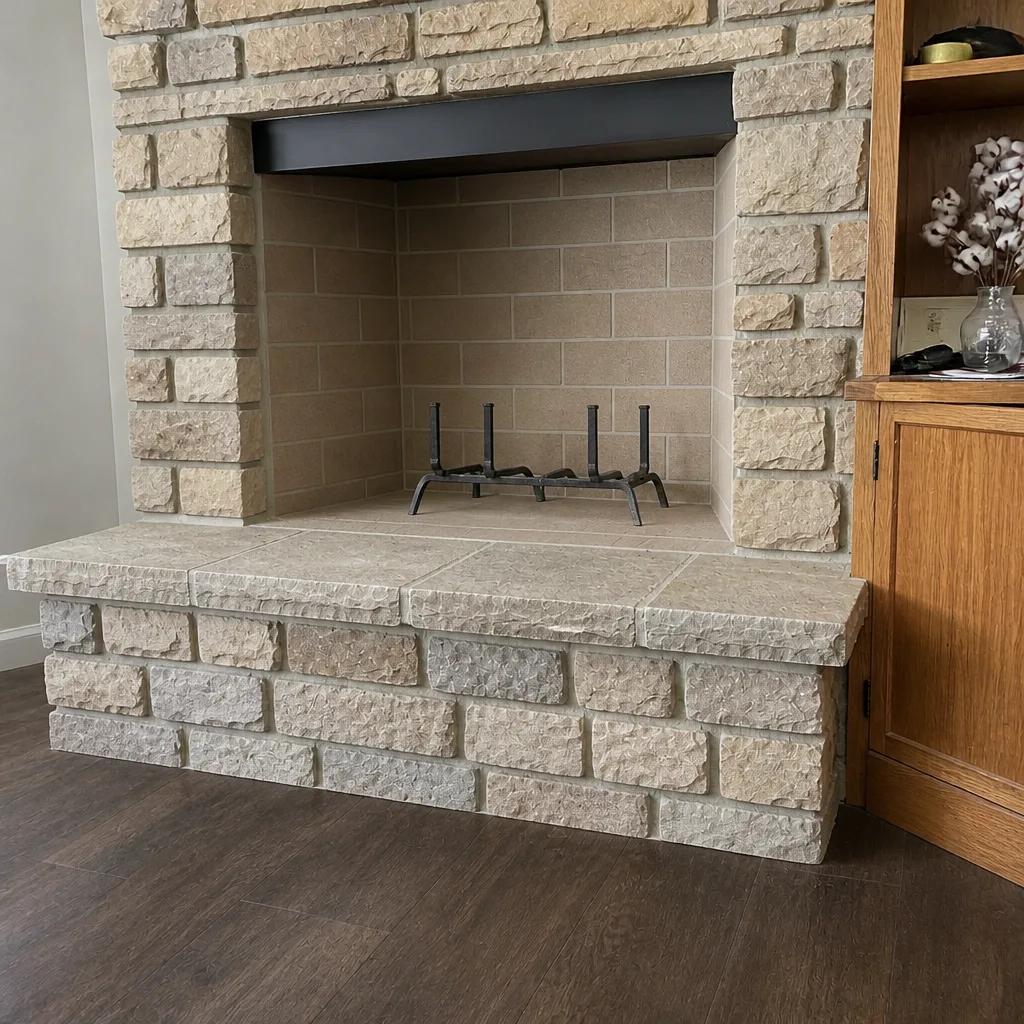
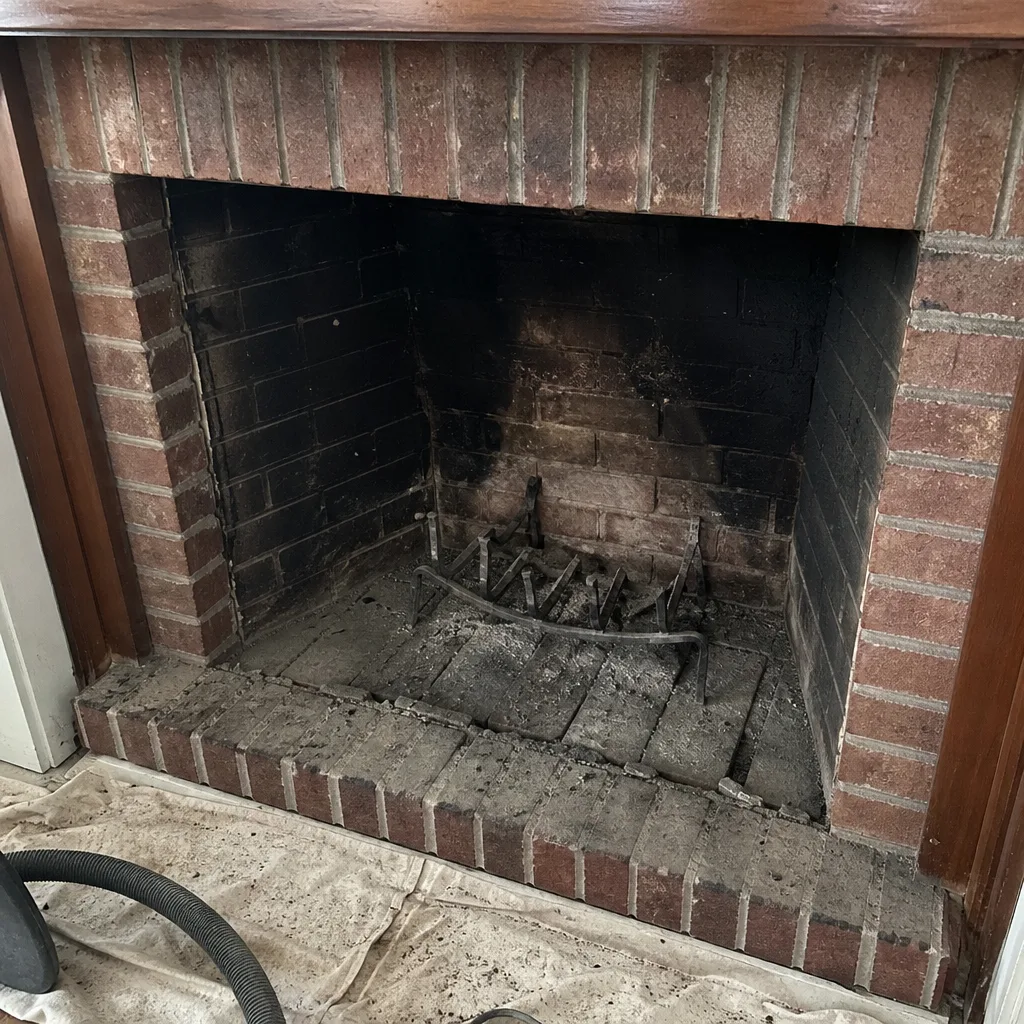
See the difference
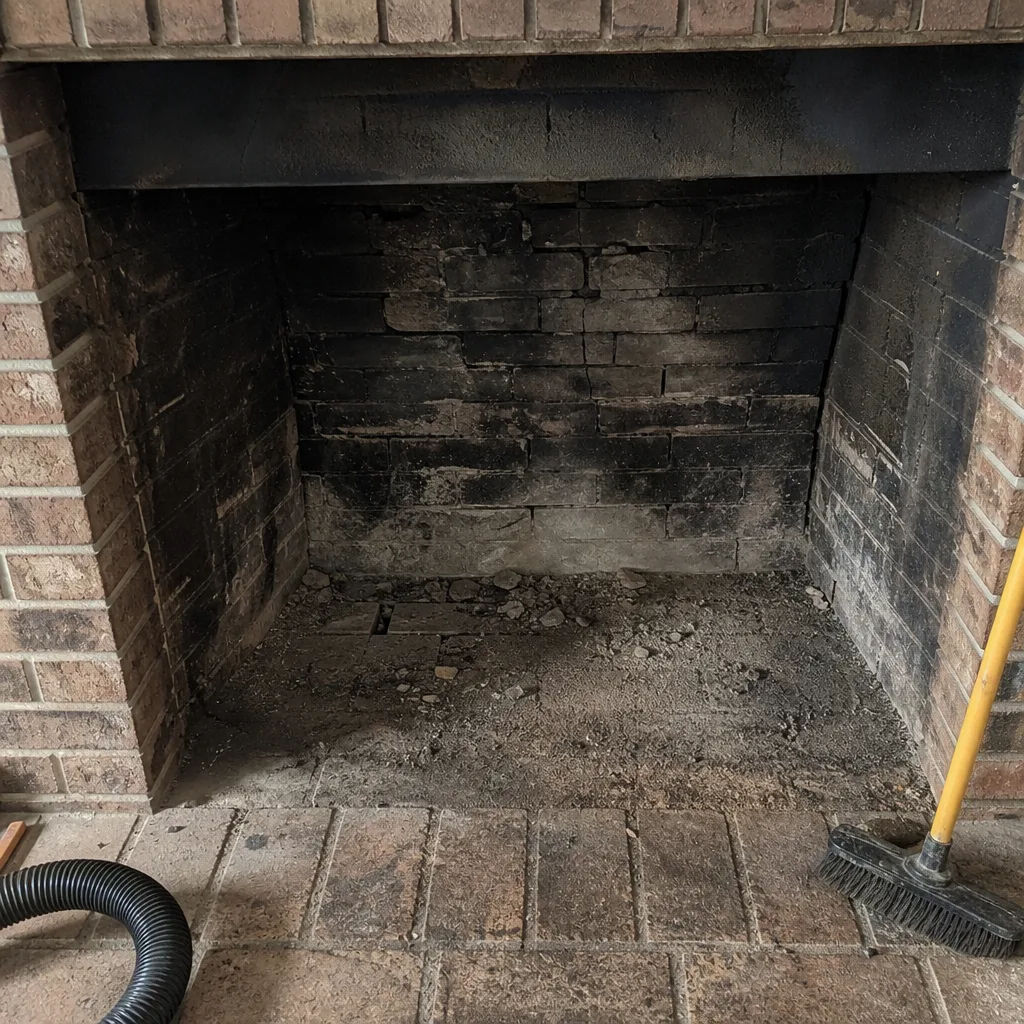 Before
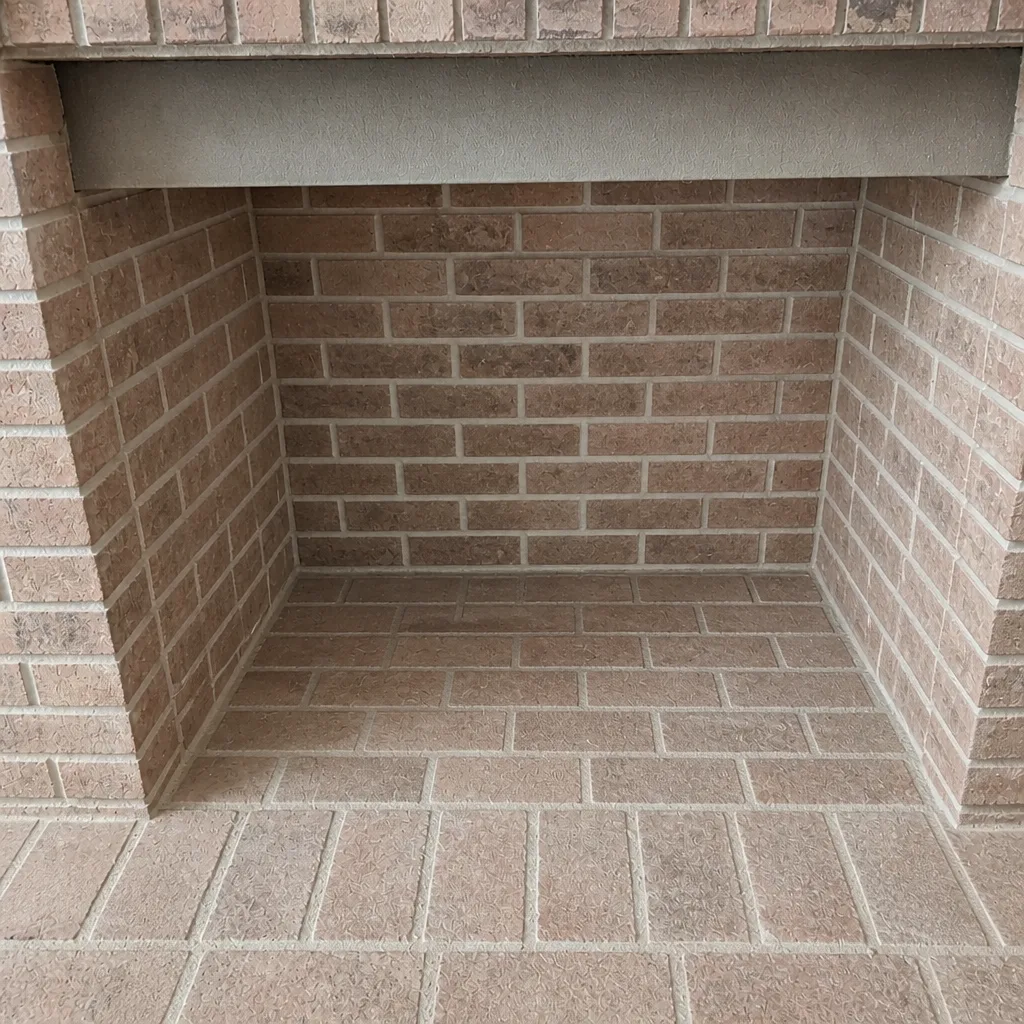 After
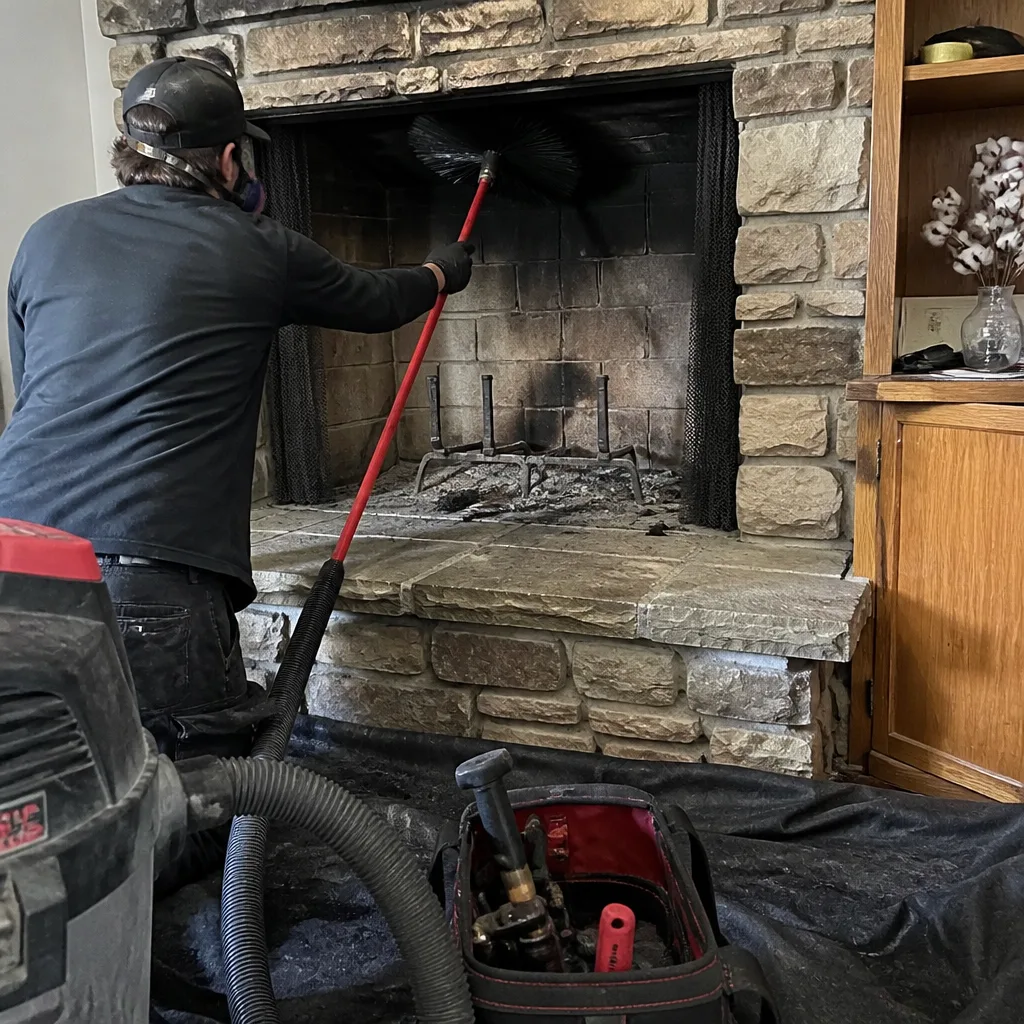 Before
 After
 Before
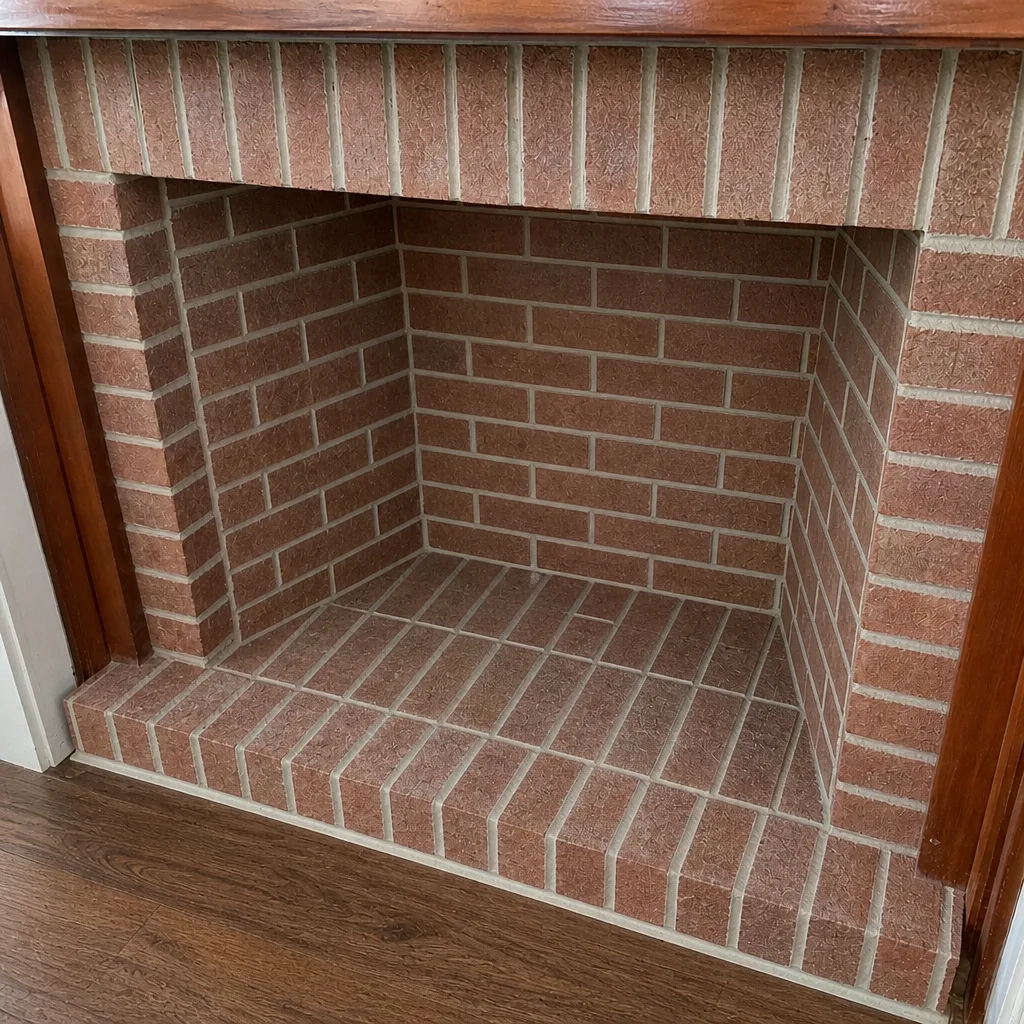 After
When to Call a Professional
Call a professional for anything structural or code-governed. That means a liner replacement or retrofit, a firebox rebuild, a failing chimney crown, a prefab insert installation or appliance change, and any time a permit is required. Call us for a Level 2 inspection if you’re selling or buying a house in Fayetteville, if your insurer has asked for documentation, or if you’ve changed the appliance. Call for the annual sweep before burning season, and call immediately if you smell smoke in the house, see damage in the firebox, or suspect a chimney fire has happened. The higher-tension issues – carbon monoxide risk, failed liners, clearance problems – are exactly what a trained inspection catches before they become serious. Delmar Chimney Sweep offers free estimates in Fayetteville – call (855) 608-7738. We answer 24/7. Fast dispatch from 7am to 7pm, Sunday through Friday.
Frequently Asked Questions
No – routine chimney cleaning is maintenance and generally does not require a permit. The permit requirement attaches to structural work like relining, rebuilding, or installing an insert. Call (855) 608-7738 for an exact quote – estimates are free.
Liner replacement or retrofit, firebox rebuilds, chimney crown replacement, prefab insert installation, appliance changes, and chimney height changes generally require a permit under Cumberland County and City of Fayetteville code, and the work must meet the NC Residential Code. Confirm your specific scope with the building department before work starts. Call (855) 608-7738 to talk through the scope.
A Level 2 inspection is a documented, in-depth assessment of the flue, firebox, appliance connection, and accessible clearances, delivered as a written report with photos. In a Fayetteville real estate transaction, that report proves the chimney’s actual condition to the buyer and insurer and interacts with the seller’s disclosure obligations. Call (855) 608-7738 to schedule one around your closing.
Once a year, ideally before burning season, is the standard rhythm for a wood-burning fireplace in regular use. A gas insert or less-used fireplace may not need it as often, but an annual Level 1 check is still the safe baseline. Call (855) 608-7738 to book the sweep before the fall rush.
Skipping the inspection means flue and clearance problems go undetected, which is where real fire and carbon monoxide risk sits. Skipping a required permit means structural work goes uninspected, and you’re the one who has to bring it up to code at resale or when your insurer asks. Call (855) 608-7738 to get it inspected and permitted correctly.
Yes – a permit has a number you can confirm with the City of Fayetteville or Cumberland County building department, and a Level 2 inspection comes with a written report including photo documentation. We pull permits for permitted repair work and stand behind the inspection. Call (855) 608-7738 for a free estimate.
The Bottom Line
Chimney cleaning is maintenance and generally doesn’t need a permit in Fayetteville. Structural work does – relining, firebox rebuilds, crown replacement, prefab insert installation, or any appliance change – and that work must meet the NC Residential Code, which is based on the International Residential Code and governs liner specification, clearances, and connections. The permit is only half the story; the passing inspection is your proof. Verify the permit number yourself once it’s issued, and don’t fold a repair into a cleaning invoice. For real estate transactions, a documented Level 2 report does the heavy lifting, and it should give you a document, not an opinion. Sweep first, assess honestly, repair only what the flue actually needs, and get the paperwork right when a permit is required.
If you’re planning a project in Fayetteville and want to know whether it needs a permit, or you just need a sweep before burning season, Delmar Chimney Sweep handles sweeping, repair, and inspection under one roof. Call (855) 608-7738 for a free estimate. We answer 24/7. Fast dispatch from 7am to 7pm, Sunday through Friday. Our technicians have up to experience, we source from trade-grade brands like DuraFlex, HeatShield, Olympia Chimney, and Gelco, and we can work with your insurer when documentation is needed.
Written by the team at Delmar Chimney Sweep.