
Last updated November 15, 2026
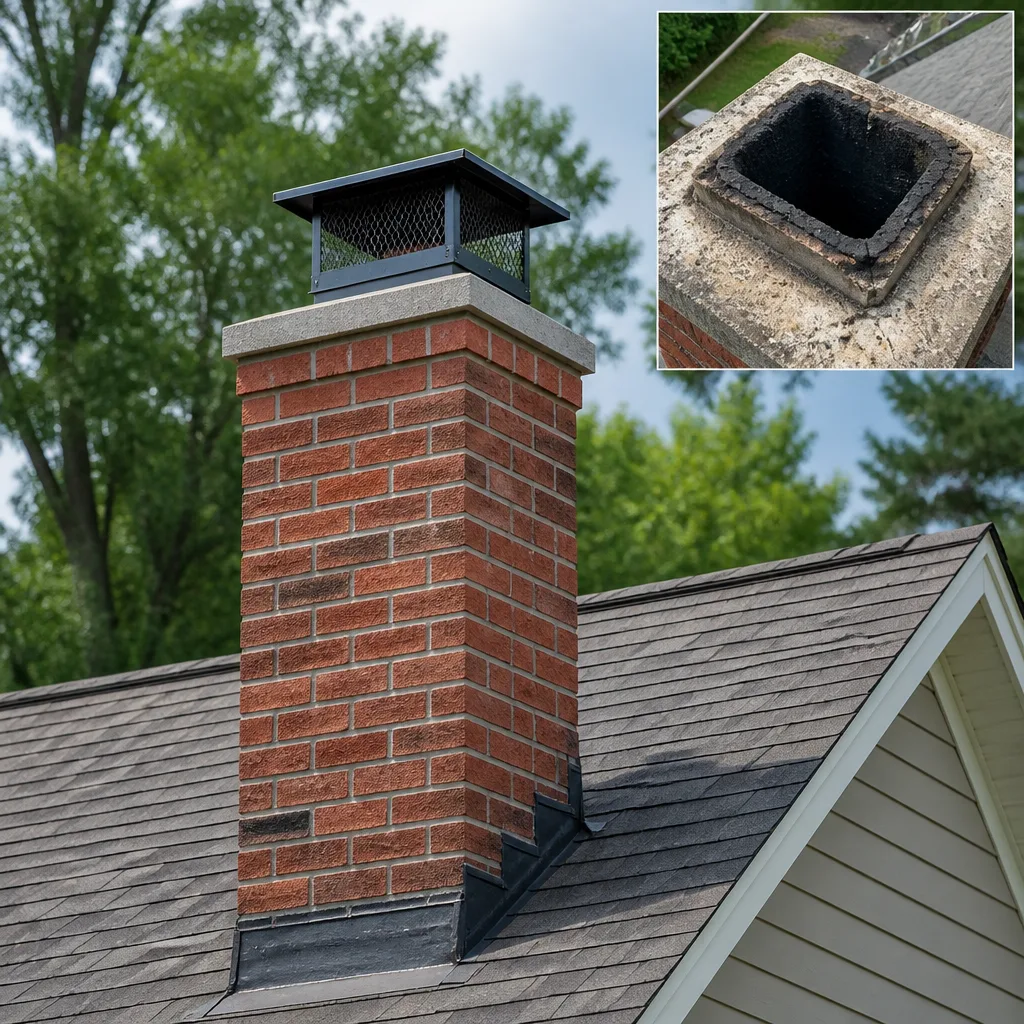 Sweep & inspection
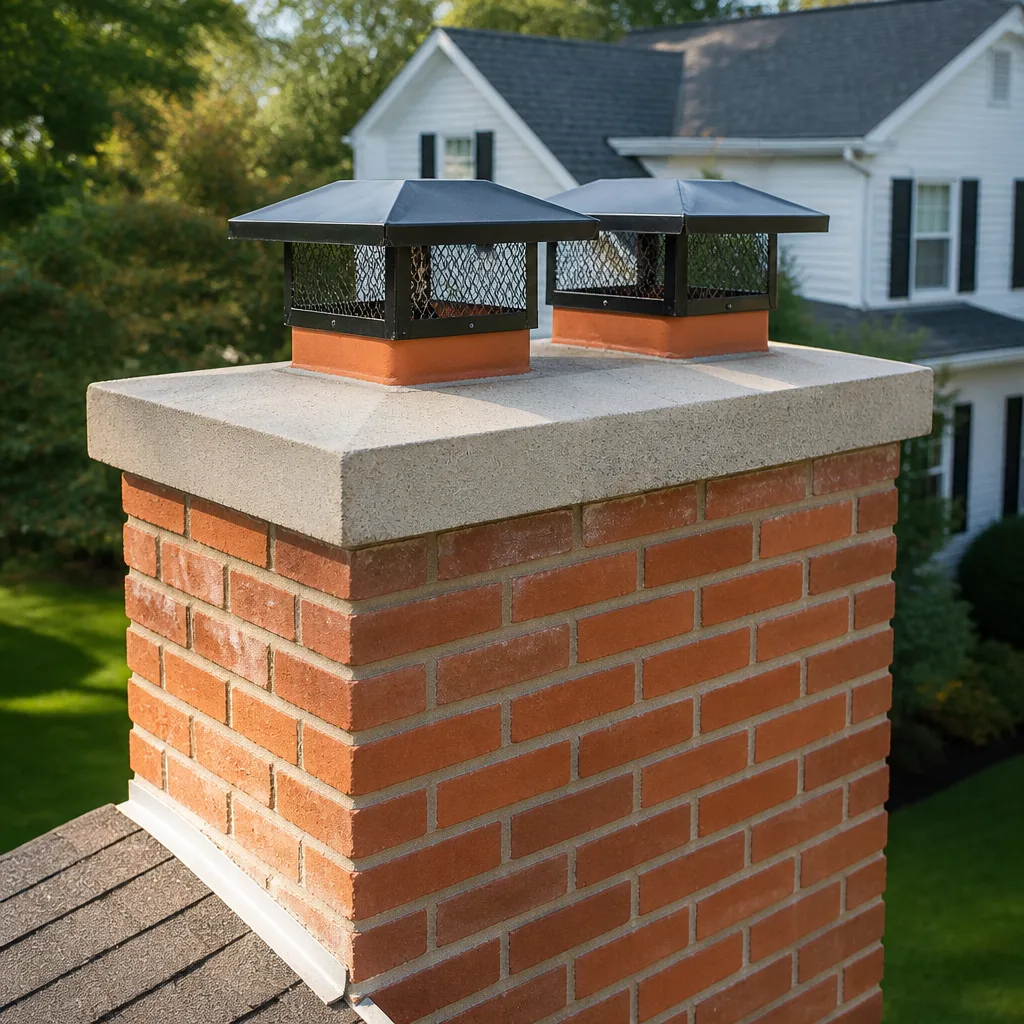 Caps & crowns
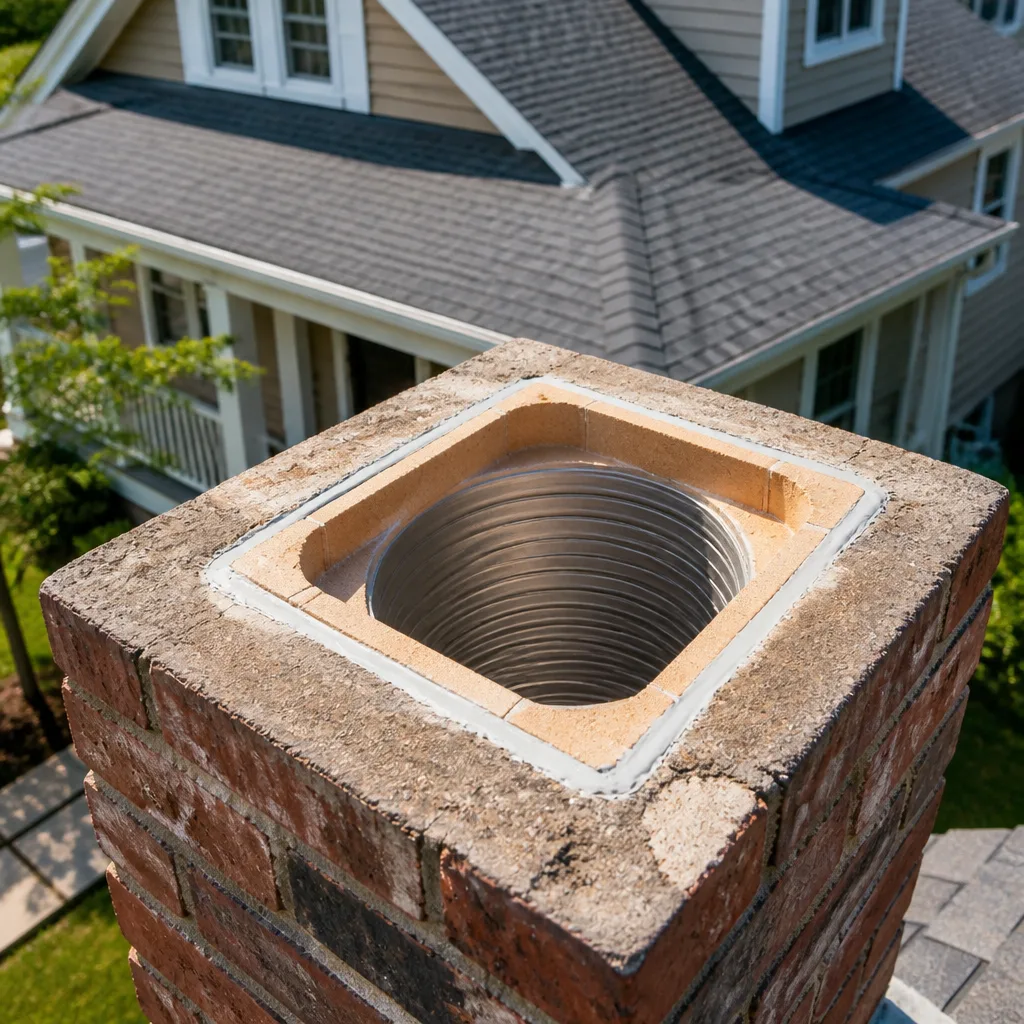 Flue relining
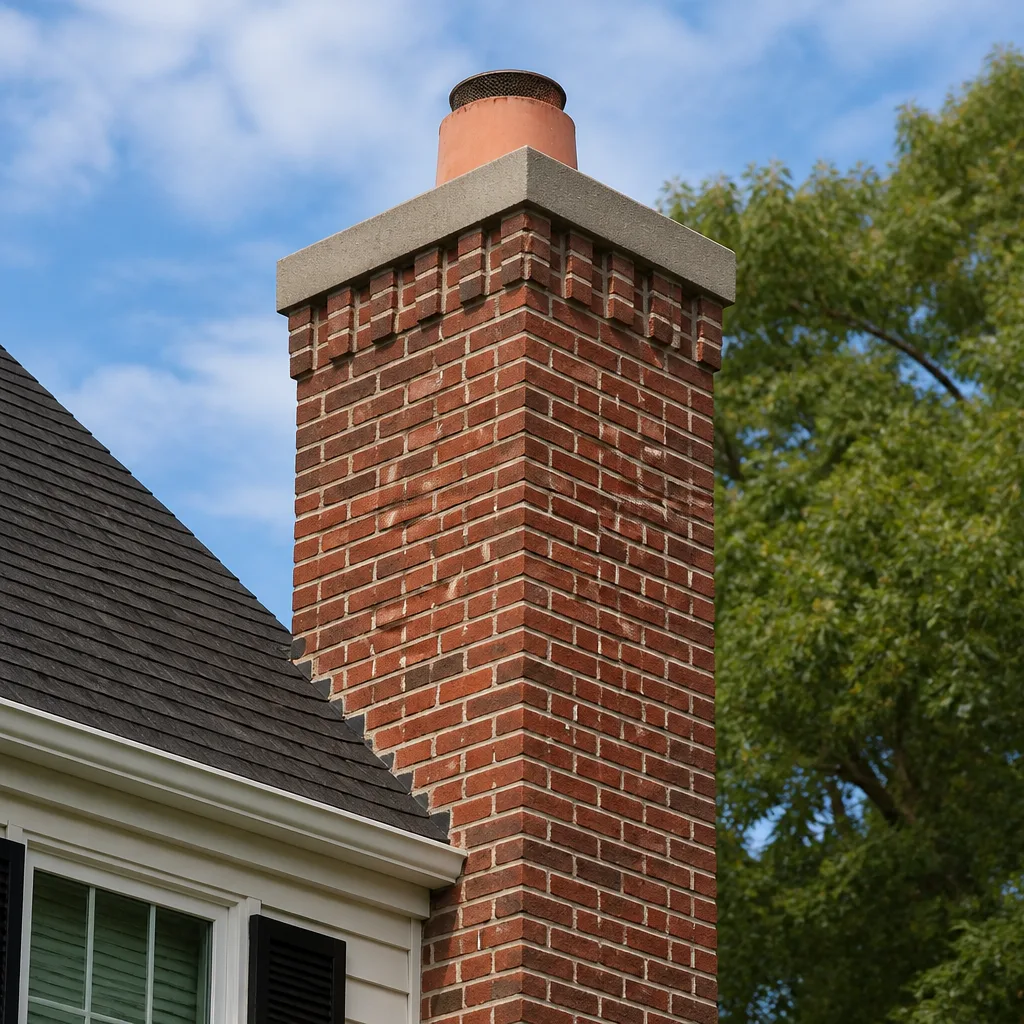 Masonry repair
 Gas fireplace service
Level 1 sweep and inspection to the NFPA 211 annual standard - flue, crown, cap, and flashing checked and photographed
Chimney sweep logs do not sweep chimneys. They loosen some creosote - which then falls where a brush and vacuum still have to collect it.
Chimney Cleaning Warning Signs: A Fayetteville Homeowner’s Reference Guide
A smoky smell drifting from the fireplace on a humid July afternoon in Fayetteville isn’t the same problem as smoke rolling back into the room on a cold January night. Both feel like warning signs. Both make a homeowner reach for the phone. But they point to completely different root causes, and they carry completely different urgency. The July smell is usually a creosote and moisture problem that can wait for a scheduled sweep. The January rollback is often a draft or structural failure that needs attention sooner. Yet most homeowners treat them the same, which leads either to unnecessary panic or to dangerous complacency. This guide separates the two.
Quick Answer
The main chimney cleaning warning signs are a strong smoky odor, black or glazed buildup on the firebox walls, a dropped level of draw, and visible soot flakes on the damper or smoke shelf. In Fayetteville, the smell that shows up in summer points to creosote and humidity, while smoke problems during the burn season usually point to a draft or structural issue. Any glazed, tar-like creosote needs a professional sweep before the next fire.
Styles & brands we work with
- Sweep & inspection
- Caps & crowns
- Flue relining
- Masonry repair
- Gas fireplace service
Table of Contents
- The Two Families of Warning Signs
- Signs That Point to Creosote Buildup
- Signs That Point to Structural or Draft Failure
- What Chimney Odor at Different Times of Year Tells You
- What You Can Safely Check Yourself
- Which Warnings Need Same-Week Attention and Which Can Wait
- How to Describe What You’re Seeing Before We Arrive
- Smoke Escape, Carbon Monoxide, and When to Stop Burning
The Two Families of Warning Signs
Nearly every chimney warning sign falls into one of two families: a cleaning problem or a structural problem. Getting that split right is the single most useful skill a homeowner can develop, because the two demand different responses. A cleaning problem means creosote has built up and the flue needs to be swept. A structural problem means something in the chimney itself has failed or shifted: a cracked tile liner, a deteriorated crown, a damaged cap, or a flue that no longer drafts correctly. A structural issue won’t be fixed by sweeping, and creosote won’t be cleared by patching masonry.
Here in Fayetteville, that distinction matters because of how the local housing stock and climate interact. Much of the older masonry around the city was built for a different era of heating, and a wood-burning fireplace that sees heavy use through the burn season can load up creosote quickly in the cooler months. Then come the long, humid summers, when moisture in the flue activates that creosote and turns it into an odor problem. A homeowner might smell the chimney all summer and assume the chimney is failing, when the flue simply needs a sweep. The opposite mistake is just as common: someone writes off a persistent draft problem as “just how old chimneys behave” and keeps burning into a real structural fault.
We approach every visit with that split in mind. We sweep first, because a swept flue removes creosote from the equation and lets us see the liner clearly. Then we assess honestly and repair only what the flue actually needs. You can read more about our Delmar Chimney Sweep approach if you want the full picture of how the three services fit together.
Signs That Point to Creosote Buildup
Creosote is the tar-like residue left behind when wood burns incompletely. It coats the flue in layers, and it comes in several forms. The whitish, flaky kind brushes off easily. The black, crusty kind is harder. The glazed, shiny, tar-like kind is the dangerous one, because it’s highly flammable and a stray ember can ignite it. In Fayetteville, where humidity is high for several months of the year, creosote absorbs moisture and the smell it produces becomes a reliable early signal.
Signs that usually indicate a creosote problem rather than a structural one:
- A strong smoky odor that never quite goes away. If the smell is at its worst in humid weather, creosote is almost certainly the source.
- Black or glazed buildup on the firebox walls and damper. Shiny, tar-like deposits are the most urgent form and signal that a sweep shouldn’t be postponed.
- Flakes of soot on the smoke shelf. A buildup that drops down onto the shelf means the flue above it is loaded.
- Reduced heat output from the same amount of wood. A coated flue transfers less heat and drafts more weakly.
- Burning wood that hisses or smokes heavily. Wet or unseasoned wood accelerates creosote formation, so the fuel itself is a clue.
If you recognize three or more of these, book a sweep before your next fire. The chimney sweep service clears the flue, gives you a camera view of the liner, and tells you plainly whether the buildup is one that returns quickly or was a one-time accumulation.
Signs That Point to Structural or Draft Failure
Structural warning signs behave differently from creosote signs. They tend to appear during active burning, or in close inspection from the firebox, rather than as a lingering smell. A draft failure means the chimney cannot pull smoke up and out the way it should. A structural failure means the masonry, liner, or cap has a physical problem. Both need a closer look, and neither is something a sweep alone will resolve.
Watch for these signals:
- Smoke rolling back into the room when the fireplace is lit. Some rollback on a very cold first fire is normal as the flue warms, but persistent rollback is a draft problem worth investigating.
- Water stains or efflorescence on exterior masonry. White, powdery staining and brown streaks point to moisture getting in, often through a failing crown or cap.
- Loose or missing mortar joints. Crumbling mortar at the roofline or in the firebox is a masonry issue, not a cleaning one.
- A damaged or missing chimney cap. An uncapped flue lets in rain, animals, and debris, which affects both draft and moisture.
- Cracked flue tiles, visible from the firebox with a bright light. Cracks are a liner concern and need professional assessment.
When we find a damaged liner on a Fayetteville home, we look at the flue’s shape before recommending a fix. Older chimneys often have offsets that a rigid liner won’t pass through. That’s where a DuraFlex flexible liner system comes in; it’s the professional standard for retrofits in complex or offset flues. For qualifying damaged flues, a HeatShield ceramic resurfacing can restore the liner without a full reliner tear-out, which is easier on the chimney and the budget. Sweep, assess, repair only what the flue needs: that order matters.
What Chimney Odor at Different Times of Year Tells You
The smell of a chimney changes with the season, and each version is telling you something different. Reading those differences is where a lot of homeowners get tripped up, because a strong odor in July and smoke in January feel related but usually aren’t.
Summer odor on a humid day
This is the classic Fayetteville pattern. Humidity in the air reacts with creosote residue in the flue, and the whole chimney starts to smell like a campfire that won’t quit. It is almost always a creosote problem, and it’s a reliable cue that a sweep is due before the burn season arrives. It is not usually a sign that the masonry is failing.
Active-burn smoke with a wood smell
While a fire is burning, the air should smell like wood smoke pulled up the flue. If it smells sharp and acrid, or if the smoke stays in the room rather than rising, the draw is weak. Weak draw during active burning points toward a draft or structural issue rather than creosote alone.
Cold-chimney backdraft
When a chimney is cold and the house is warmer than the flue, the first fire of the day can push a puff of smoke into the room before the flue warms and the draft reverses. This is normal on a cold morning. It’s only a concern when it happens every time, consistently, regardless of weather.
The faint musty smell when the fireplace is dormant
A musty smell with no smoke character is more likely moisture in the masonry than creosote. That points toward a water-entry problem, often at the crown or cap, and warrants a closer look before the next burn season.
Paying attention to which of these you smell, and when, gives a technician a head start. We can prioritize the visit correctly before anyone climbs on the roof.
What You Can Safely Check Yourself
You can assess a surprising amount from the firebox and from the ground with binoculars, without needing to climb the roof or open up anything. Everything below is observation only. Don’t reach up into the flue, don’t chip at creosote, and don’t remove any part of the chimney to look further.
- Look up the firebox with a flashlight. You’re checking for black or glazed buildup, cracked tiles, and loose mortar. Note whether the buildup is flaky and light or shiny and tar-like.
- Check the damper and smoke shelf for soot flakes. Piles of flakes on the shelf mean the flue above needs attention.
- Look at the brick around the firebox for white staining or crumbling. This is where water damage often shows first.
- From the ground, use binoculars on the roofline. Look at the chimney crown (the concrete top), the cap, and the mortar joints. Cracked crowns and missing caps are visible from here.
- Note the smoke behavior on the next fire. Does it rise cleanly, or does it hang, drift, or roll back into the room?
Write down what you see. Accurate notes turn a vague “the chimney smells bad” into a concrete description a sweep can act on. In our experience, homeowners who’ve done this small bit of observation get a more useful first visit because we know what to look for before we arrive.
Which Warnings Need Same-Week Attention and Which Can Wait
Not every warning sign carries the same urgency. Sorting them correctly is the difference between a routine service call and a scramble, and between peace of mind and worry. Here’s how we think about the split.
Same-week attention
- Shiny, glazed, tar-like creosote in the firebox or flue. This is the flammable form and a fire risk.
- Persistent smoke rollback every time the fireplace is lit, not just on the first fire of a cold day.
- Visible cracks in the flue tiles, or loose masonry in the firebox.
- Any sign of carbon monoxide, such as headaches or drowsiness that clear when you leave the room. Stop burning and treat it as an emergency.
Can be tracked and addressed at your next service
- A summer odor from the flue when no fire is burning. Plan a sweep before the burn season.
- Flaky, light buildup rather than glazed creosote.
- Efflorescence or mild crown wear that you’ve noted but that isn’t progressing quickly.
- A slightly reduced draw that hasn’t turned into rollback.
The honest answer is that a lot of what looks urgent isn’t, and a little of what looks minor is. That’s exactly why we use camera inspection: you should be able to see the evidence yourself, and nothing should be recommended without it. If a warning sign can safely wait until your next scheduled visit, we’ll tell you so.
How to Describe What You’re Seeing Before We Arrive
The better your description, the more precisely a sweep can prioritize and prepare. Vague calls (“my chimney is dirty”) cost you time on the day because the technician arrives without knowing what to bring or which problem to expect. Specific calls let us plan the visit and choose the right tools and materials upfront.
Use this checklist to build a clear description:
- What do you smell, and when? “Smoky in summer, no fire lit.” “Acrid during a fire.” “Musty all year.”
- What do you see in the firebox? “Black shiny buildup,” “flaky white deposits,” “crumbling mortar on the left wall.”
- How does the fire behave? “Draws fine,” “smokes into the room on lighting,” “rolls back on windy days.”
- What do you see at the roofline? “Missing cap,” “cracked top,” “white staining down the side.”
- Has anything changed? New wood source, first fire of the season, a recent storm, or a new stove insert.
Give that description over the phone and we’ll know whether the visit is a straightforward sweep, a repair call, or an inspection that might produce documentation for an insurer or a real-estate transaction. An inspection should give you a document, not just an opinion, and the more we know going in, the more useful that document is.
Call (855) 608-7738 when you’re ready. We answer 24/7, and fast dispatch runs from 7am to 7pm, Sunday through Friday.
Smoke Escape, Carbon Monoxide, and When to Stop Burning
Some warning signs aren’t about the chimney being dirty or damaged. They’re about the chimney failing to contain smoke and gases, and those carry a real safety consequence. Carbon monoxide is a colorless, odorless gas, so the chimney’s job of venting it out is one homeowners rely on without seeing it happen. When that venting fails, the symptom is often health-related rather than visible: headaches, nausea, or drowsiness that lift when you leave the room and return when you come back.
Stop burning and treat any of the following as an immediate safety concern:
- Smoke entering the room and not clearing as the fire burns.
- Any suspicion of carbon monoxide exposure, even mild and unexplained.
- A carbon monoxide alarm sounding while the fireplace or stove is in use.
- Visible cracks in the firebox or flue that let gases escape the liner.
Don’t relight the fire until the chimney has been inspected. This is where our inspection work matters: it’s a standalone, documented service, and the same trade that inspects is the one that repairs. There’s no finger-pointing between contractors. If you live in Fayetteville and you’re unsure whether a symptom is a real problem, that uncertainty is worth a call. A chimney fire and a carbon monoxide risk are the two reasons chimney work is worth doing properly, and both are much easier to prevent than to fix after the fact.
Common Mistakes to Avoid
- Assuming summer odor means the chimney is failing. More often it means creosote plus humidity and a sweep is due. Jumping to a reliner conclusion you can’t verify is exactly the kind of unnecessary panic we’ve seen cost homeowners money.
- Assuming winter smoke rollback is normal. A first fire that puffs a little while the flue warms is normal. Smoke rolling back every time points to a draft or structural problem you shouldn’t ignore.
- Burning wet or unseasoned wood to stretch a cord. In Fayetteville’s humid climate, wood stored uncovered stays damp and accelerates creosote formation. Dry, seasoned wood is a maintenance decision, not just a fuel one.
- Waiting until the burn season starts to schedule a sweep. Booking during the off-season gives you time to address anything the inspection finds before you need the fireplace.
- Treating glazed creosote like powdery soot. The shiny, tar-like form is flammable. It needs a professional sweep, not a do-it-yourself brush.
- Using a general handyman for liner work. Liner systems like DuraFlex and HeatShield require correct sizing and installation. The brands certified institutes rely on are the ones that hold up, not what’s cheapest at the hardware store.
- Skipping the inspection document before a sale. Real-estate transactions and insurance carriers often need documented clearance. A sweep without documentation can leave you scrambling at closing.
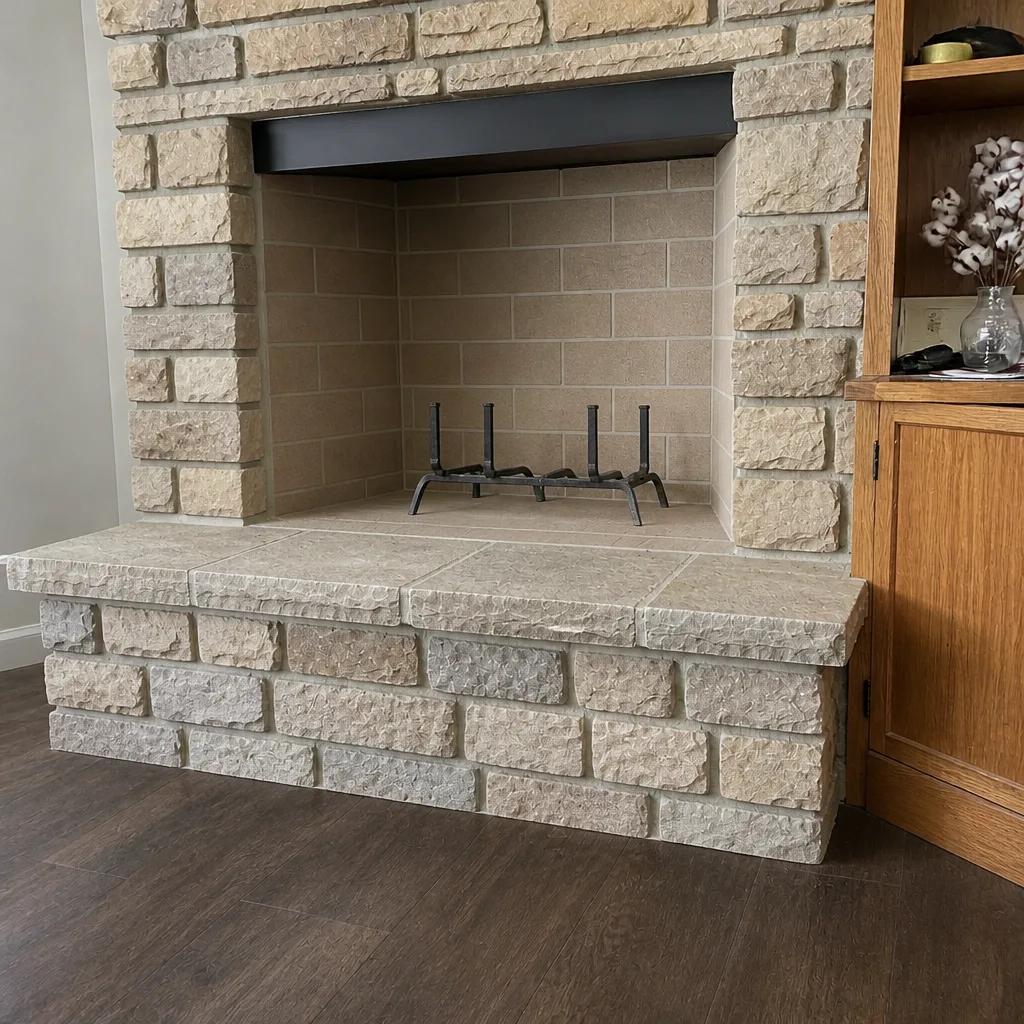
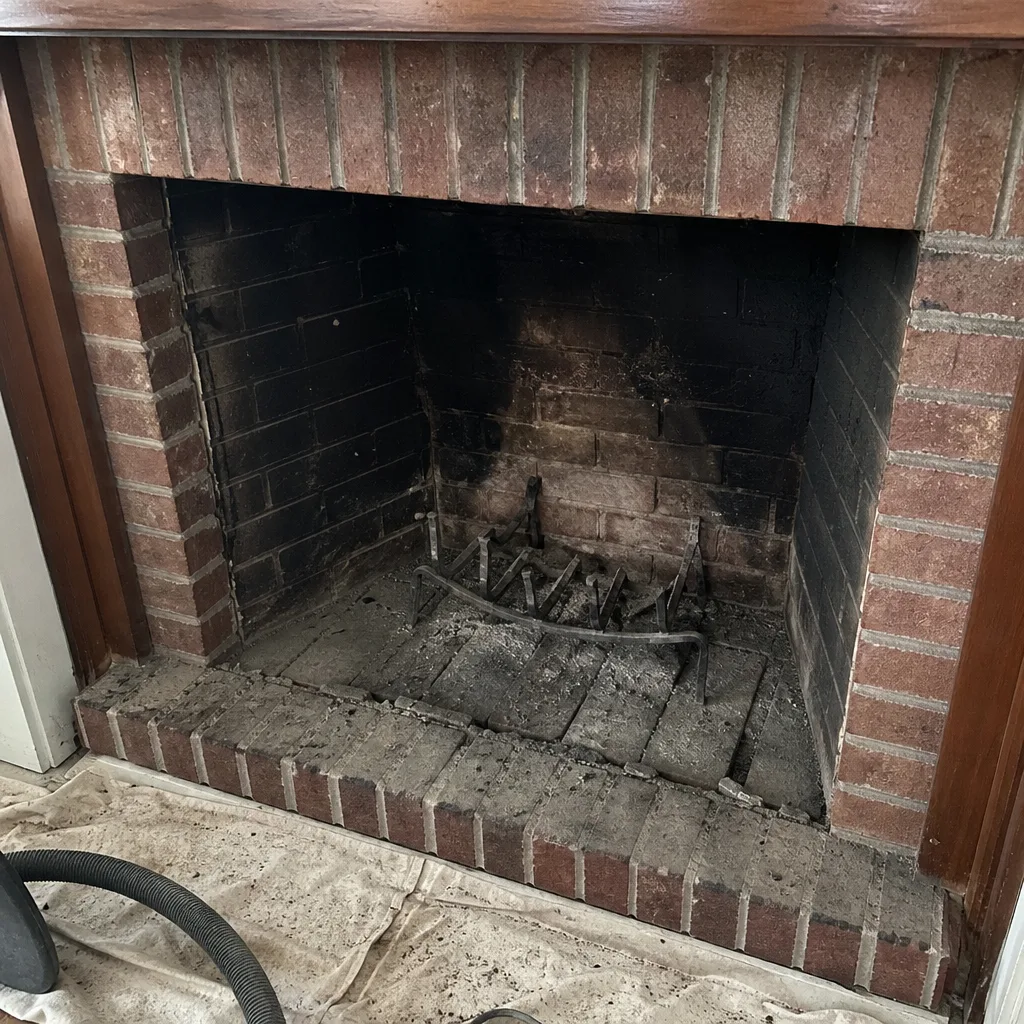
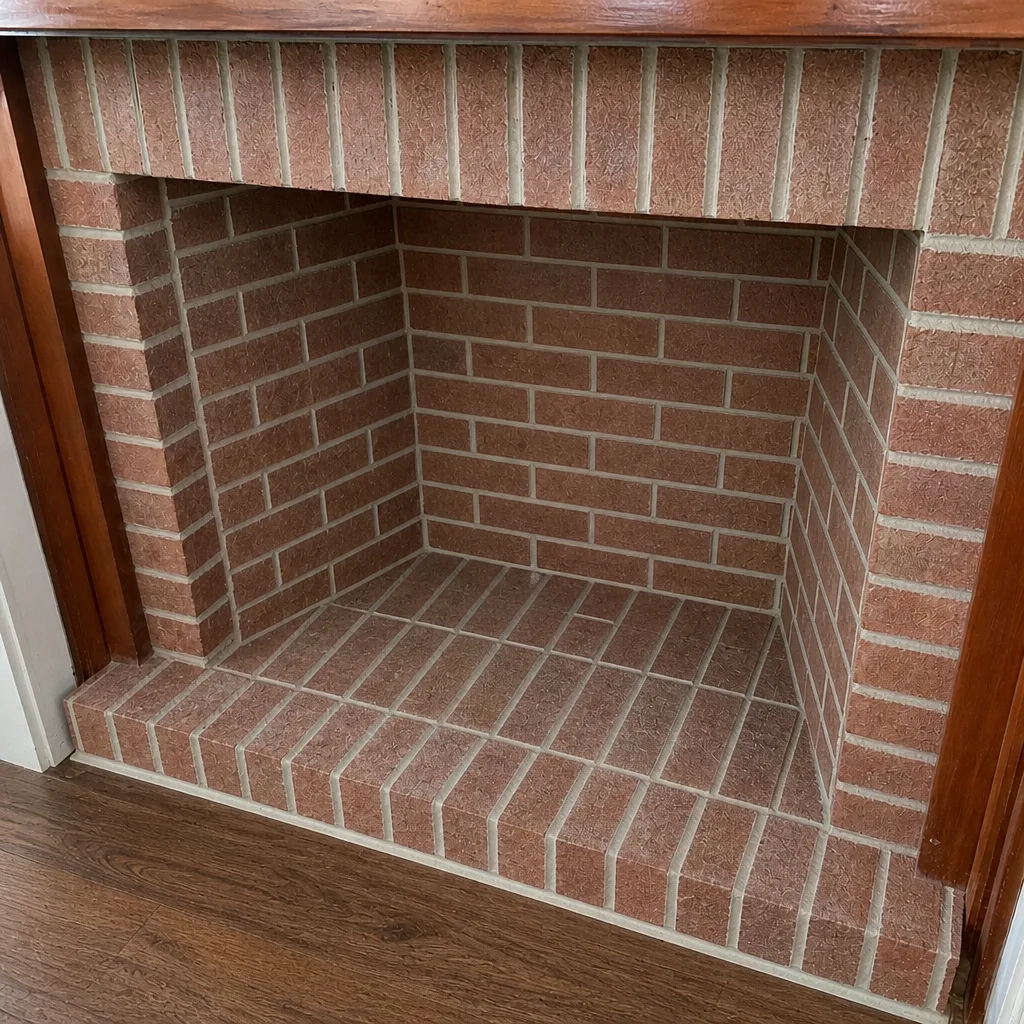
See the difference
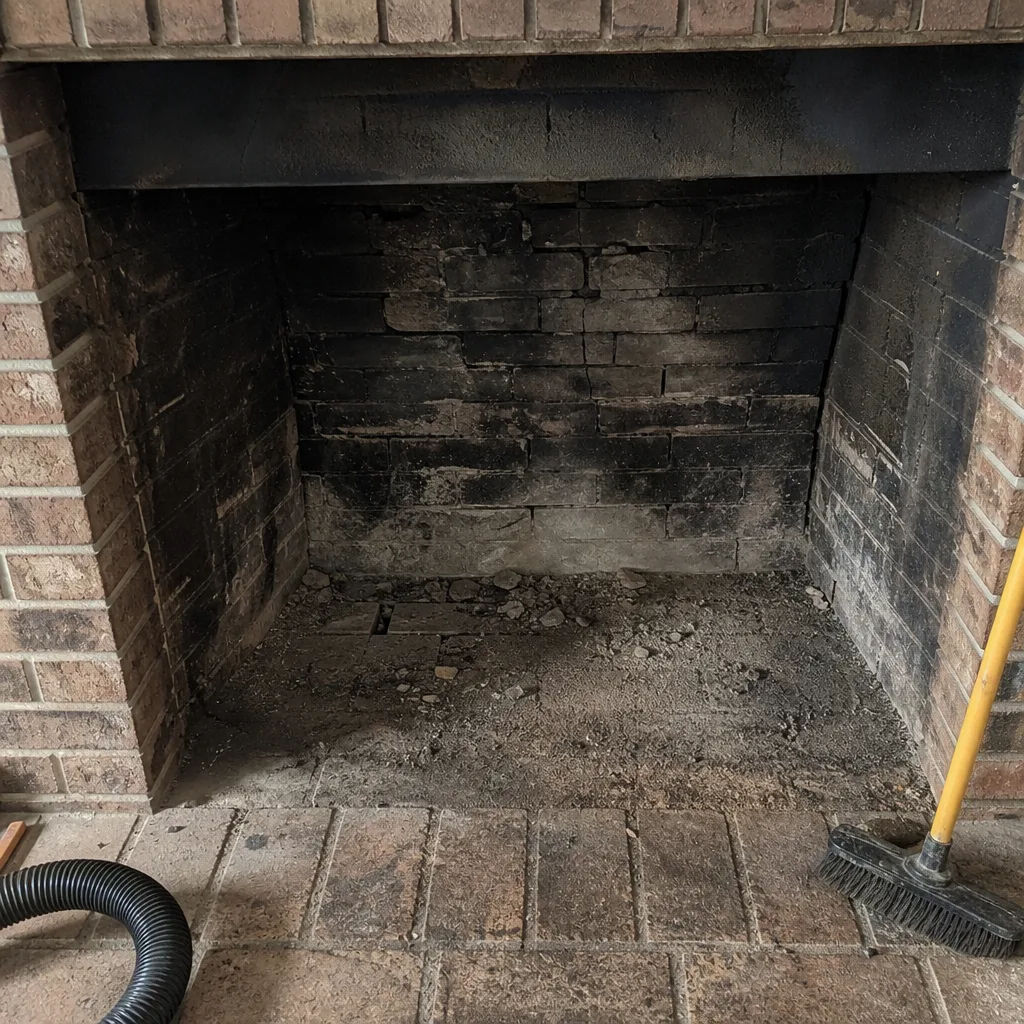 Before
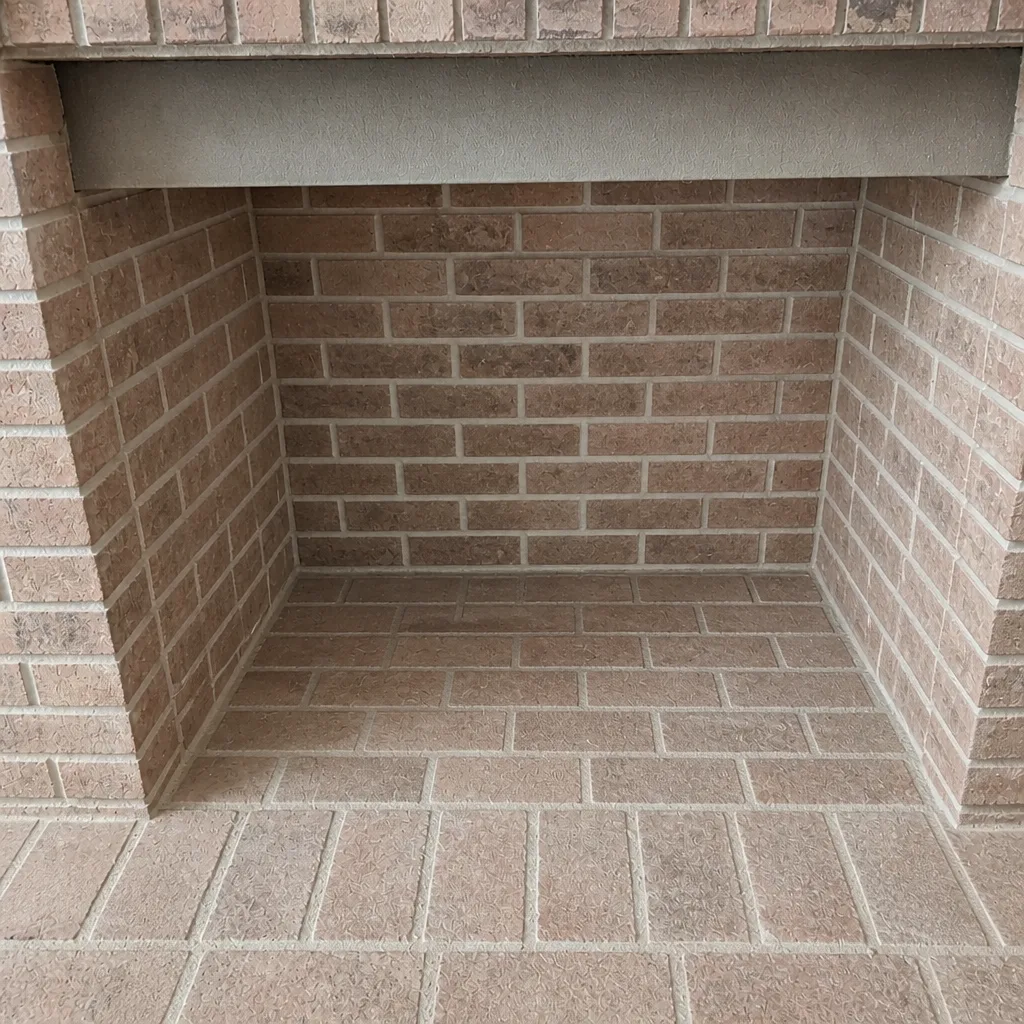 After
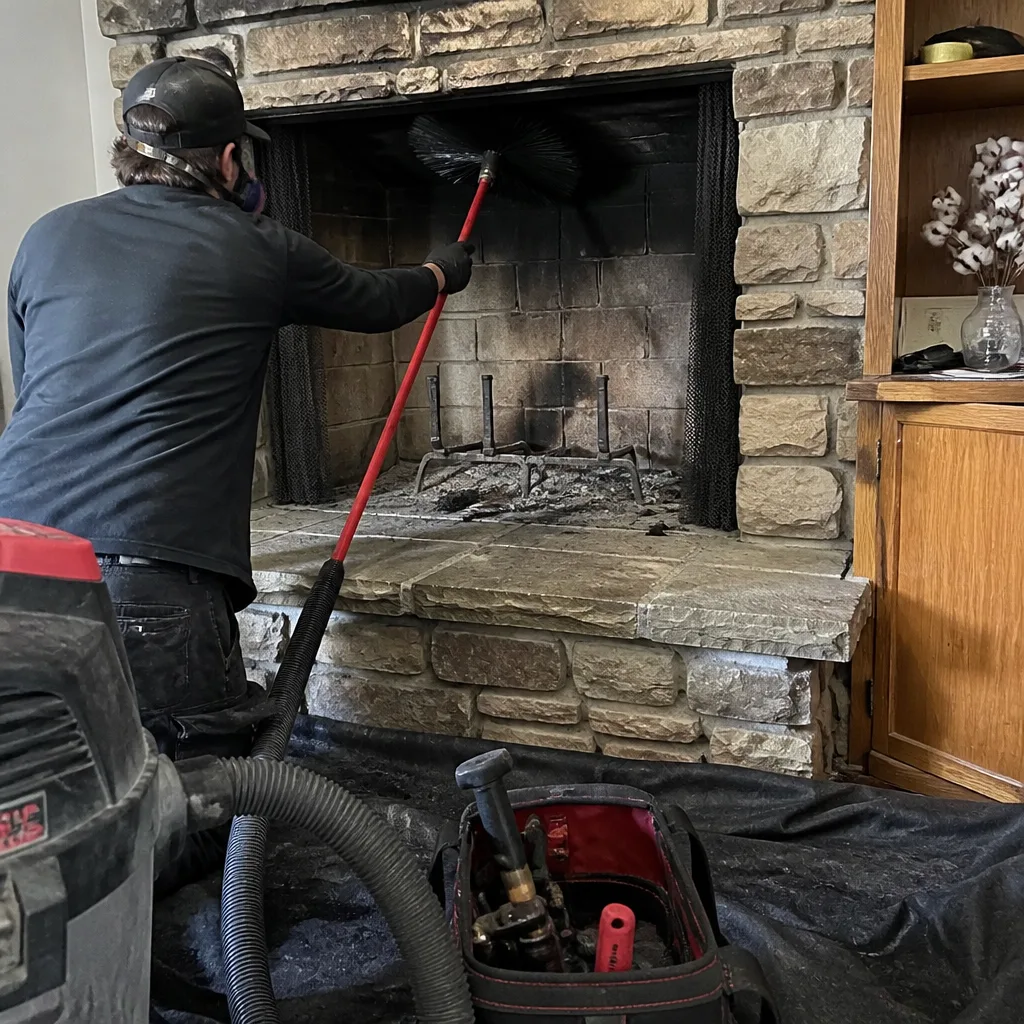 Before
 After
 Before
 After
When to Call a Professional
Call a professional when a warning sign crosses from “worth watching” into “needs eyes on it.” That means glazed creosote, smoke rolling back into the room, visible liner cracks, a loose or missing cap, water stains that keep spreading, or any suspicion of carbon monoxide. Call too if you’re buying or selling a home and need documented chimney clearance, or if you simply can’t tell whether what you’re seeing is a cleaning problem or a structural one. If an inspection finds only flaky buildup and a marginal crown, we’ll tell you the work can wait until your next scheduled service, with the photo evidence so you can see it yourself. Delmar Chimney Sweep offers free estimates in Fayetteville. Call (855) 608-7738. We answer 24/7, and fast dispatch runs from 7am to 7pm, Sunday through Friday.
Our technicians have up to experience, and we bring the same trade-grade materials to repair that certified institutes specify, including Gelco caps and components, DuraFlex liners, and HeatShield resurfacing, so a repair holds up as well as the sweep that revealed it.
Frequently Asked Questions
Most wood-burning chimneys should be swept once a year with regular use, and more often if you burn frequently or notice heavy creosote buildup. The reliable trigger is the amount of buildup, not the calendar. If your firebox shows glazed or tar-like deposits, book a sweep regardless of when you last had one.
Only if the inspection shows the existing liner has failed, and you should be able to see the evidence yourself. We don’t recommend a liner based on a hunch. Many damaged flues can be restored with HeatShield ceramic resurfacing instead of a full reliner tear-out, which saves significant cost when the flue qualifies.
Creosote keeps accumulating, and the glazed form becomes a chimney fire risk. A fire in a loaded flue can damage the liner and masonry, and a cracked liner can then let gases escape the chimney. Skipping a sweep doesn’t save money; it just moves the cost to a bigger repair later.
Summer odor is almost always creosote reacting with humidity in the flue. A prior season’s residue absorbs moisture and the whole chimney smells. It usually means a sweep is due before the burn season, not that the masonry is failing.
Pricing is set per job by a written estimate, so we quote your specific chimney rather than a flat number. The estimate is free, and it accounts for the flue’s condition and access. Call (855) 608-7738 for an exact quote; estimates are free.
Routine sweeping with the right brushes is possible for some homeowners, but glazed creosote and any liner assessment are jobs for a professional. Climbing on the roof to assess the crown or cap adds a fall risk, and a home sweep can’t produce the camera inspection you’d want before a repair or a real-estate decision.
The Bottom Line
Most chimney warning signs show up long before anything dangerous happens, and the skill is sorting them correctly. Smell and flaky buildup usually point to creosote and a sweep. Smoke rollback, cracks, and water staining usually point to structure and an inspection. Learn the difference, observe what you safely can from the firebox and the ground, and describe it accurately when you call. In Fayetteville, the humid summers make summer odor a normal early cue while winter smoke tells a different story. When in doubt, sweep first, assess with a camera you can see, and repair only what the flue actually needs. The chimney you can read is one you can trust.
If you’re in Fayetteville and unsure which category your warning sign belongs to, the honest way to find out is a documented look at the flue. Call (855) 608-7738. We answer 24/7, and fast dispatch runs from 7am to 7pm, Sunday through Friday. Our chimney repair work and inspections come with the evidence you need to make a clear decision, and estimates are free.
Written by the team at Delmar Chimney Sweep.