
Last updated November 15, 2026
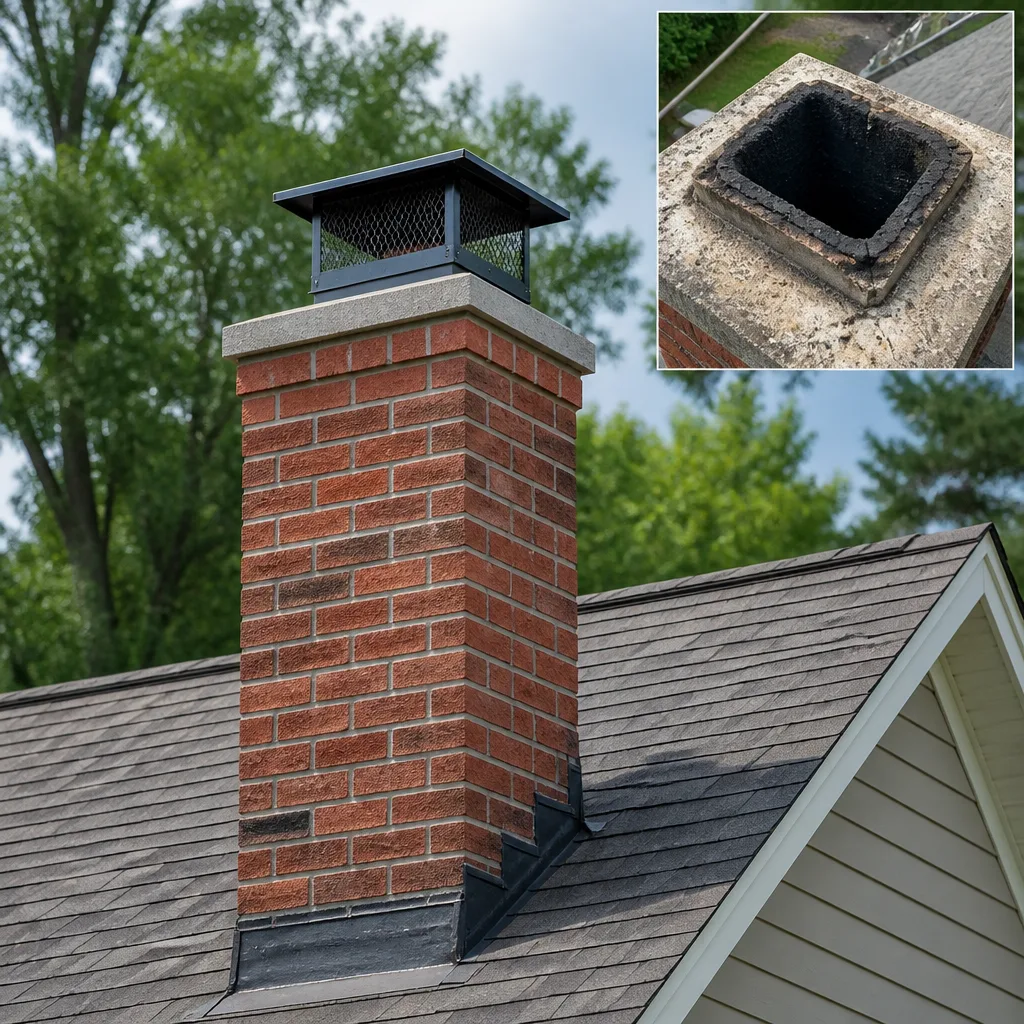 Sweep & inspection
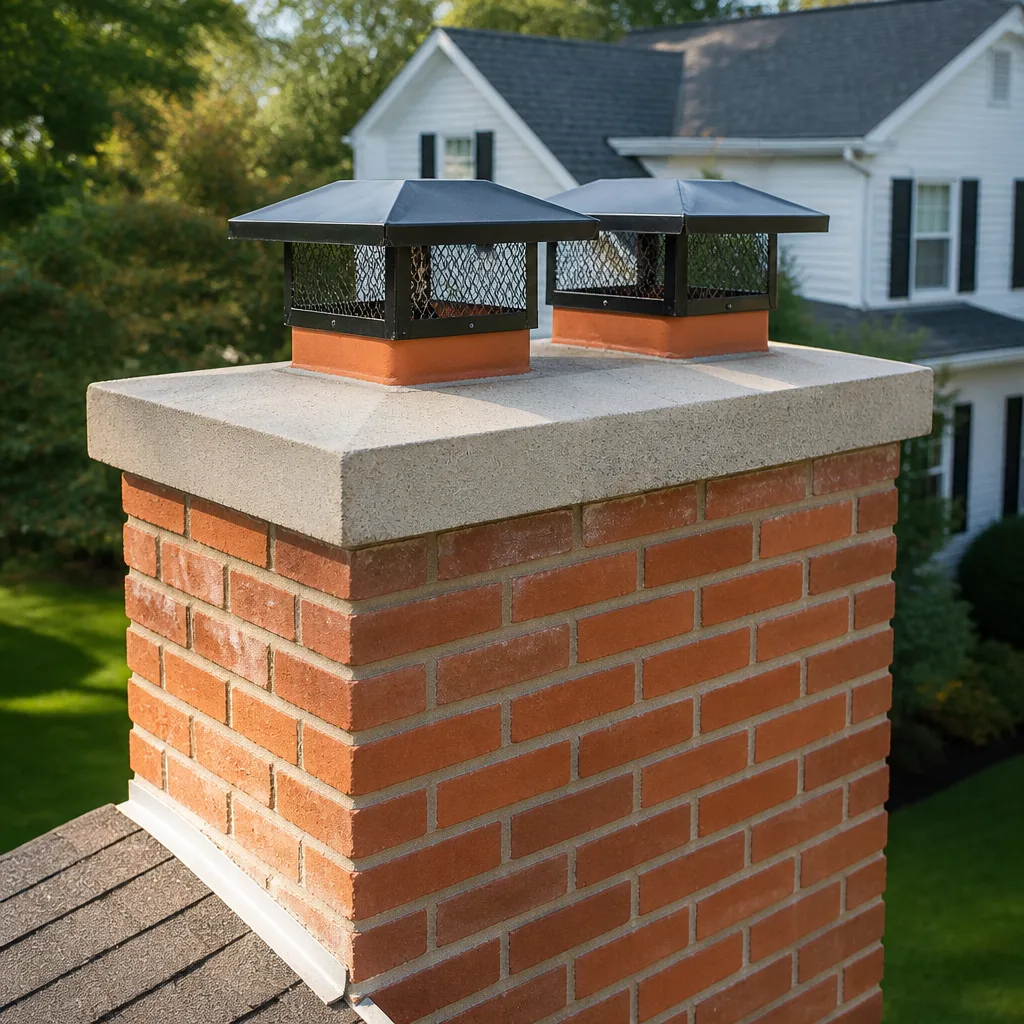 Caps & crowns
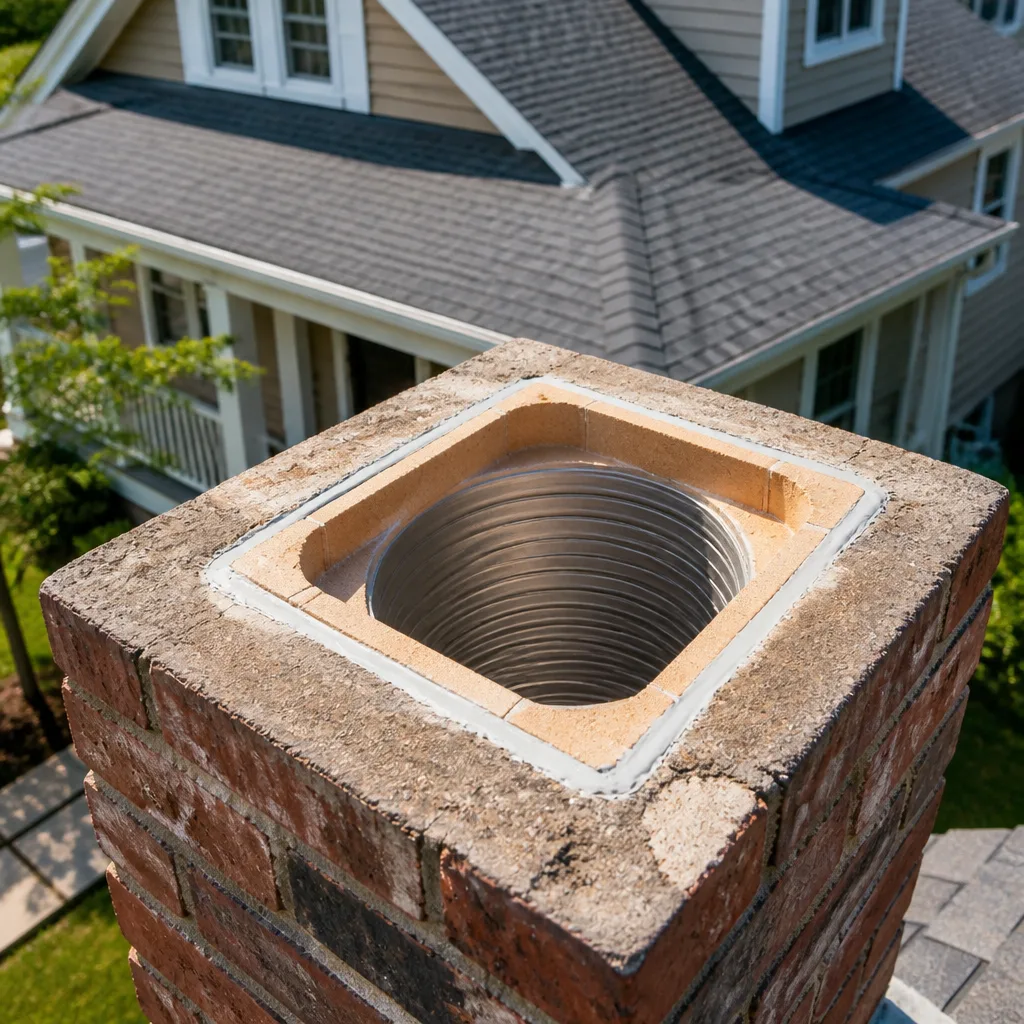 Flue relining
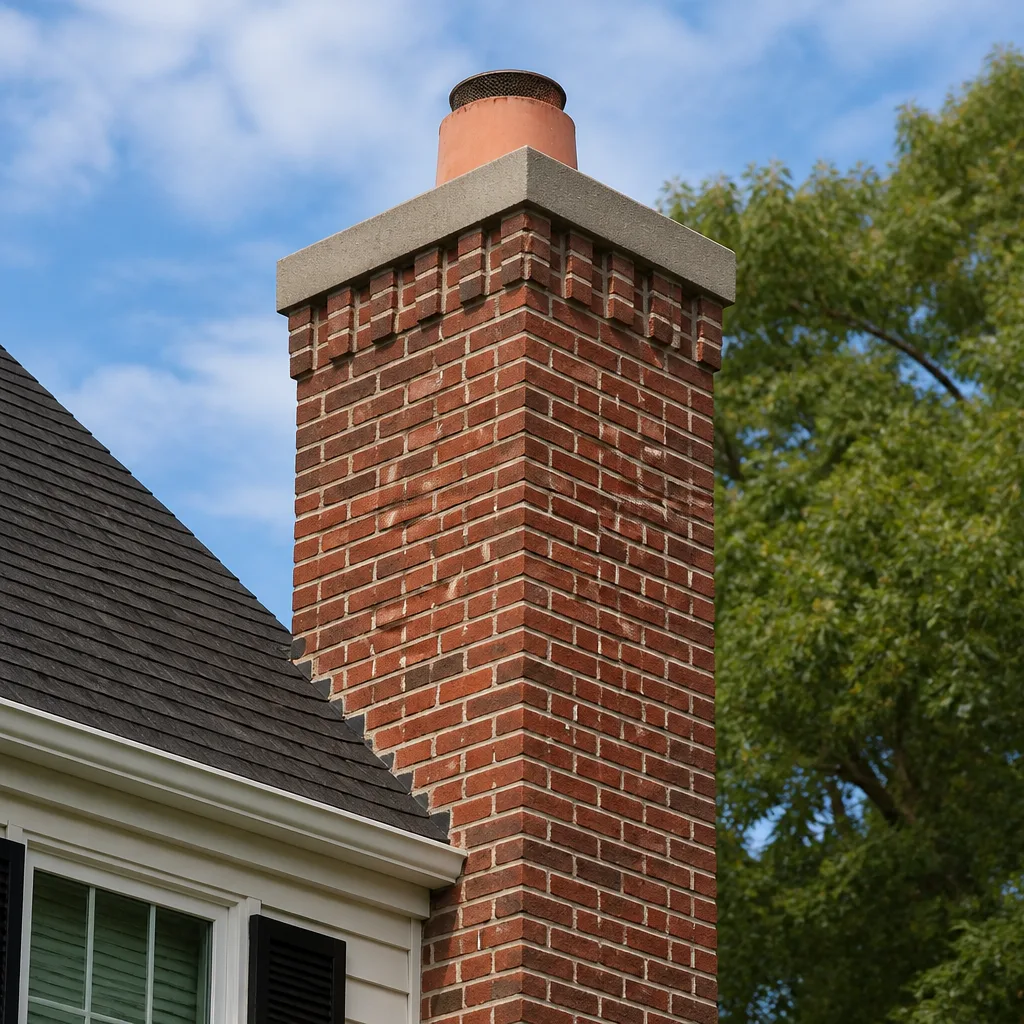 Masonry repair
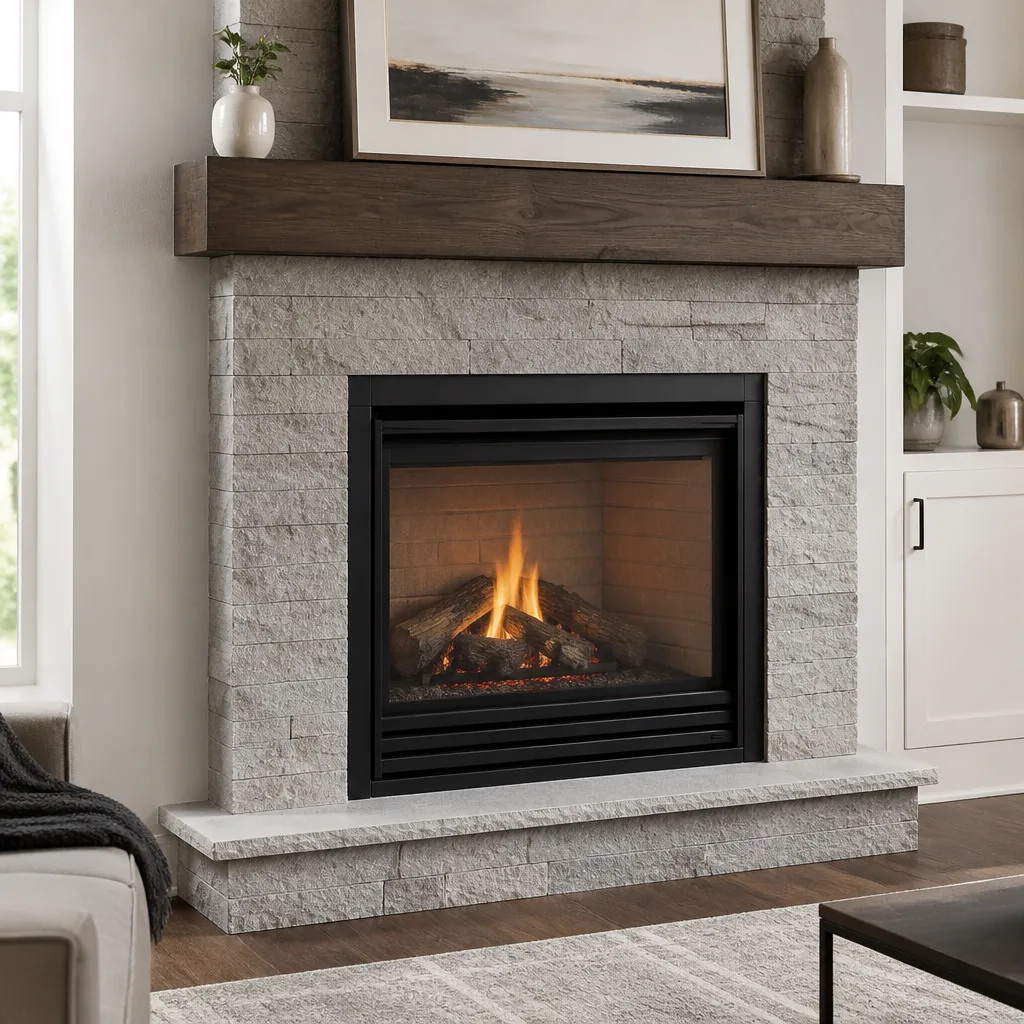 Gas fireplace service
Level 1 sweep and inspection to the NFPA 211 annual standard - flue, crown, cap, and flashing checked and photographed
Chimney sweep logs do not sweep chimneys. They loosen some creosote - which then falls where a brush and vacuum still have to collect it.
Chimney Cleaning Emergency Preparedness Guide for Fayetteville Homes
Most people picture a chimney fire as something that announces itself: flames at the cap, a roar in the flue, smoke where smoke shouldn’t be. In our experience, that’s the version that shows up in movies. A real chimney fire in a wood-burning system can burn above 2,000°F and travel into framing in under a minute, and plenty of them burn quietly enough that the homeowner only learns about it later, when a sweep opens the flue and finds puffy, honeycombed creosote or cracked tiles. The Fayetteville houses most exposed here aren’t the neglected ones. They’re the houses where the fireplace gets used a handful of times each winter and the owner figured occasional use meant low risk. This guide covers what a chimney fire actually does, what records matter to an insurer, how gas inserts change the carbon monoxide picture, and what to do in the first ten minutes.
Quick Answer
Chimney fire preparedness in Fayetteville comes down to three things done before the season starts: a professional sweep and inspection, documented in writing; a working smoke and carbon monoxide alarm layout checked at the same time; and a clear plan for the first ten minutes of a suspected fire (call 911, get everyone out, and only close the damper on the way out if it’s safe to do so). The inspection report is what tells your insurer a maintenance program exists, and it’s the single most useful piece of paper you can own when a claim is filed.
Styles & brands we work with
- Sweep & inspection
- Caps & crowns
- Flue relining
- Masonry repair
- Gas fireplace service
Table of Contents
- What Actually Happens During a Chimney Fire
- Why Some Chimney Fires Burn Without Being Detected
- The Records That Speed Up an Insurance Claim
- Pre-Season Checklist: Risk Reduction Before the First Fire
- Carbon Monoxide Risk for Gas Log and Gas Insert Users
- The First Ten Minutes of a Suspected Chimney Fire
- What to Do in the Weeks After
- Alarms, Exits, and the Parts People Forget
What Actually Happens During a Chimney Fire
A chimney fire is staged creosote igniting inside the flue. Creosote forms whenever wood burns and the smoke cools before it leaves the chimney, and it builds in three rough stages: a sooty dust, then a flaky crust, then a glazed, tar-like layer that’s genuinely hard to remove. That third stage is the fuel load. When it lights, the flue becomes a torch pointing straight up through the middle of the house.
What most homeowners imagine is a fire in the firebox that spreads. What usually happens is different: the fire is in the flue itself, and the damage comes from heat transfer outward. Brick and mortar absorb that heat, and if it’s sustained long enough, the wood framing that sits against the chimney chase on the outside of the flue can reach ignition temperature. That’s the path a chimney fire takes into a house. It’s also why a fire that looks minor from the living room can be serious inside the wall.
Thermal shock is the other mechanism. A flue that goes from 200°F to 2,000°F in a short span expands unevenly, and clay tiles crack. Once a tile cracks, the flue has a path for heat and gases to reach the masonry and framing directly, which is exactly the condition a liner is there to prevent. What looks like a small event on the night it happens becomes a structural problem a year later.
- Air-starved secondary combustion is a common trigger in tight, well-sealed Fayetteville homes: the fire smolders, the smoke is cool, creosote deposits quickly.
- Wet or unseasoned wood produces more smoke and more deposit per cord than dry wood.
- Long, slow burns overnight create the coolest smoke and the heaviest creosote.
Why Some Chimney Fires Burn Without Being Detected
A roaring chimney fire announces itself. A quiet one doesn’t. Quiet fires happen when the creosote ignites but the air supply is limited, so it burns low and slow against the flue wall instead of roaring up the stack. You might hear a soft rumbling or a sound like distant wind, or nothing at all. The people who live there go to bed and wake up fine, and the fire is over.
The evidence shows up later. Puffy creosote that has clearly been through a burn. Warped or discolored damper hardware. Cracked flue tiles. Heat-stained metal on a liner. In our experience, this is the most common way a Fayetteville homeowner finds out they’ve had a chimney fire: they didn’t, not at the time. A sweep found the aftermath during a routine cleaning months afterward.
This is the quiet argument for a real inspection every year rather than only when something seems wrong. An inspection is looking for evidence, not just asking the homeowner whether they had a problem. If you want to understand what separates a cleaning from an inspection, our page on a proper chimney sweep walks through the difference.
There’s a second reason these go unnoticed: the house never smells like smoke inside. A flue fire that stays inside the flue doesn’t necessarily push smoke into the living space. The house stays clean, the fire looks normal, and the only trace is damage the owner can’t see. If you’ve never had your flue inspected and you’ve burned wood in it, that gap in knowledge is worth closing.
The Records That Speed Up an Insurance Claim
When a chimney fire claim lands on an adjuster’s desk, the questions are predictable. Was the system maintained? When was it last inspected? Who did the work? Was the liner in serviceable condition? A homeowner who can produce dated inspection reports answers those questions before they’re asked. A homeowner who can’t gets a claim that stalls.
We produce documentation because it’s the useful product of the visit. A chimney inspection should give you a document, not just an opinion. That’s why we treat inspection as its own service at Delmar Chimney Sweep, with a written report and photos that hold up to scrutiny, rather than as a sales pitch attached to a cleaning.
What a good file looks like for a Fayetteville homeowner:
- Annual inspection reports, dated, with the technician’s findings and any conditions noted.
- Sweeping records showing the flue was cleaned to the code-required standard, not just brushed at the top.
- Repair invoices for any liner replacement, crown repair, or resurfacing, listing the materials used.
- Photos of the flue interior from a camera run, showing condition at the time of inspection.
- The original installation or relining documentation if the house came with it, especially if a liner was installed by a prior owner.
Keep these in a folder with your homeowner’s policy documents. When a claim is filed, you produce copies, not a scramble. If you’re buying a home in Fayetteville and the seller can’t produce any of these, that’s information worth having before closing. A pre-purchase inspection is a standalone service, and we encourage buyers to request one through a full chimney repair evaluation so any defects are scoped on paper.
Pre-Season Checklist: Risk Reduction Before the First Fire
Preparedness is mostly a fall exercise. The work happens before the first burn, when the flue is cold and the schedule is flexible. Here’s what to have confirmed before the season starts in Fayetteville:
- Schedule a sweep and inspection for every flue you plan to use. That includes the fireplace you don’t use often; occasionally used fireplaces accumulate creosote too, just more slowly.
- Have the report in hand before the first fire. Not scheduled, in hand. A booking for later in the season leaves the flue in unknown condition through the coldest weeks.
- Test every smoke alarm on the floor with the fireplace, and every carbon monoxide alarm in the house, including the one near the bedrooms.
- Check the cap and crown for cracks or a missing screen. A cap keeps rain, birds, and debris out of the flue; a failed crown lets water into the masonry.
- Confirm your wood is dry. Seasoned wood burns cleaner and deposits less. If you can’t tell, it isn’t ready.
- Clear the hearth area of anything combustible and confirm the firebox doors and screen operate correctly.
- Confirm your damper opens and closes fully. A damper stuck partly closed is a smoke and carbon monoxide problem waiting to happen.
- Write down your plan for the first ten minutes of a suspected fire and make sure everyone in the house knows it.
That’s a two-hour list, done once. It removes the conditions that cause most chimney fires before they can form. Our team handles the first two items and documents them; the rest you can do from the living room in an afternoon.
Carbon Monoxide Risk for Gas Log and Gas Insert Users
Gas log sets and gas inserts change the risk profile. There’s no creosote to speak of, because there’s no wood smoke with the same composition. But there’s still a flue, and the flue still has to vent combustion gases out of the house. When it doesn’t, carbon monoxide stays inside.
Carbon monoxide has no color, no smell, and no taste. You can’t detect it with your senses, which is why an alarm is the only reliable warning. The Fayetteville homes where we see elevated risk share a few characteristics:
- A gas insert installed into an existing masonry chimney without confirming the flue is sized and lined correctly for the insert’s venting.
- A flue that has deteriorated, with cracked tiles or gaps in the mortar, so combustion gases can migrate into the wall cavity instead of up and out.
- A blocked or partially blocked flue, from debris, a bird nest, or a collapsed liner section.
- Negative pressure inside the house, common in tightly built homes and in houses with powerful kitchen or bath exhaust fans running, which can pull flue gases back down the chimney.
- A missing or failed cap that lets water into the flue, damaging the liner and eventually the venting path.
If you use gas logs or an insert, the annual visit isn’t about creosote. It’s about confirming the venting path. An inspection checks the flue for obstruction, verifies the liner or flue lining is intact, and looks at the appliance connection. If the flue needs a new lining, we install DuraFlex flexible liner systems, which is the professional standard for retrofit work in older or offset flues where a rigid liner won’t fit. If the existing flue is sound but has surface damage, HeatShield ceramic resurfacing can restore it without a full tear-out. The right answer depends on what the camera finds, not on a default recommendation.
The First Ten Minutes of a Suspected Chimney Fire
The first ten minutes are the whole emergency. After that, either the fire is out or the fire department is there. Here’s the sequence we want every Fayetteville homeowner to have drilled:
- Get everyone out of the house. Nobody stays to watch. This is not negotiable, and it’s not a judgment call.
- Call 911 from outside. Say chimney fire. The fire department will respond.
- If you can do it on the way out, close the damper and the firebox doors. Closing the damper limits the air feeding the flue fire, but only do this if you’re already heading out and it takes a second. Never go back inside for it, and never open the firebox to check.
- Don’t put water on it. Water on a 2,000°F flue can crack masonry and send steam and debris back at you.
- Stay out until the fire department clears the scene, even if the fire seems to have gone out on its own. The flue can reignite.
The distinction people ask about is when to call 911 versus when to call a sweep. If there’s any sign of fire beyond the firebox (flames or smoke outside the chimney, a roar, an unusual smell of hot metal, smoke in the house), that’s a 911 call. If the fire seems minor, or if the fireplace has gone out and you’re not sure anything happened, that’s a sweep call for an inspection before the next burn, not an emergency. When in doubt, call 911. A false alarm costs nothing.
What to Do in the Weeks After
Once the fire department has cleared the scene, the chimney is in an unknown condition. It has been through a thermal event, and the tiles, liner, damper, and mortar may all have been affected even if nothing is visibly wrong. The house needs two things: a documented inspection and, if damage is found, a scoped repair.
The inspection is the first step, and it’s not optional. Camera work is what tells you whether the flue has cracked tiles, a deformed liner, or a compromised joint. From that report, you and the insurer have a factual basis for the claim. Our team can work with your insurer on the documentation side, and the report is designed to be usable for that purpose.
The repair conversation follows the evidence. HeatShield resurfacing can restore a flue with surface damage if the structural condition allows it. A liner replacement with a DuraFlex system is the appropriate answer if the existing lining is no longer serviceable. The flue decides which is correct. We don’t recommend either without showing you the images the recommendation is based on.
Alarms, Exits, and the Parts People Forget
Hardware is the part of emergency preparedness people skip. The reasoning goes that the real preparation is the sweep and the inspection, and the alarms are already installed. In our experience, the alarms are the part most often out of date, in the wrong place, or both.
What Fayetteville homeowners should confirm:
- A carbon monoxide alarm on every level of the home and near every sleeping area, tested monthly.
- Smoke alarms tested and replaced on the manufacturer’s timeline, not just battery-swapped indefinitely.
- A clear exit path from every bedroom, with a meeting point agreed before an event.
- Fire extinguishers in the kitchen and near the fireplace, with the correct rating, checked for charge.
The alarm part matters most because a chimney fire that starts quietly doesn’t give the senses anything to work with. Carbon monoxide doesn’t either. The alarms are the only warning some of these events will ever give. That’s the whole reason to check them annually rather than once when the house was purchased.
Common Mistakes to Avoid
- Assuming occasional use means low risk. A fireplace used twice a year still deposits creosote, and it sits in the flue for the other ten months. That deposit doesn’t care how often it gets hot.
- Sweeping without inspecting. A sweep cleans the flue. An inspection tells you whether the flue is sound. The two are separate services for a reason, and skipping the inspection means you never know what the flue has been through.
- Relying on a “looks fine” from someone who didn’t run a camera. The interesting damage is inside the flue where nobody can see it. If nobody put a camera in it, nobody knows.
- Letting the inspection report go into a drawer. The report is the document that answers insurance questions later. Keep it somewhere findable, not lost in a file of appliance manuals.
- Treating a gas insert like a fireplace that needs no service. There’s no creosote, but the venting path still needs annual confirmation. Gas appliances produce carbon monoxide, and the flue is what removes it.
- Skipping the alarm check. An alarm that fails when it’s needed is the same as no alarm. Test them at the same time you schedule the sweep.
- Figuring out the emergency plan during the emergency. The plan has to exist before the event, not during it.
See the difference
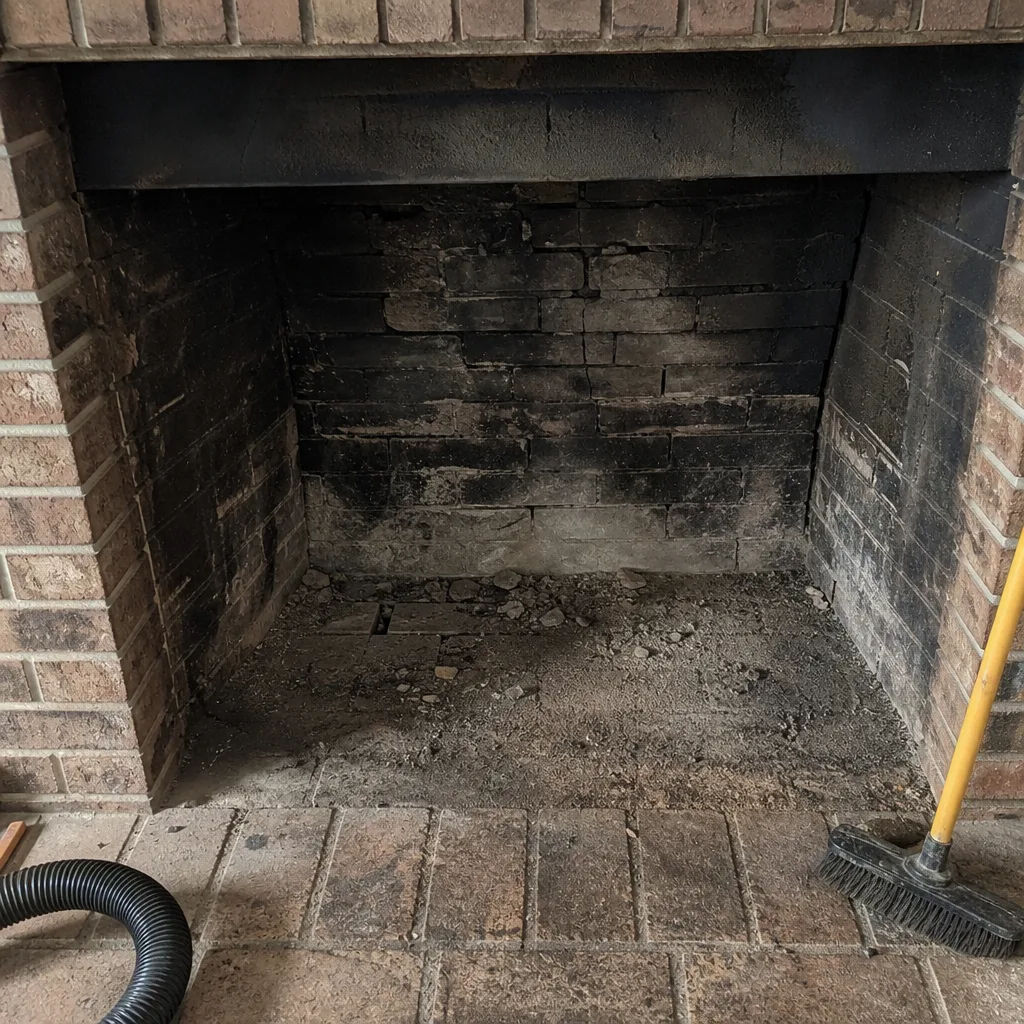 Before
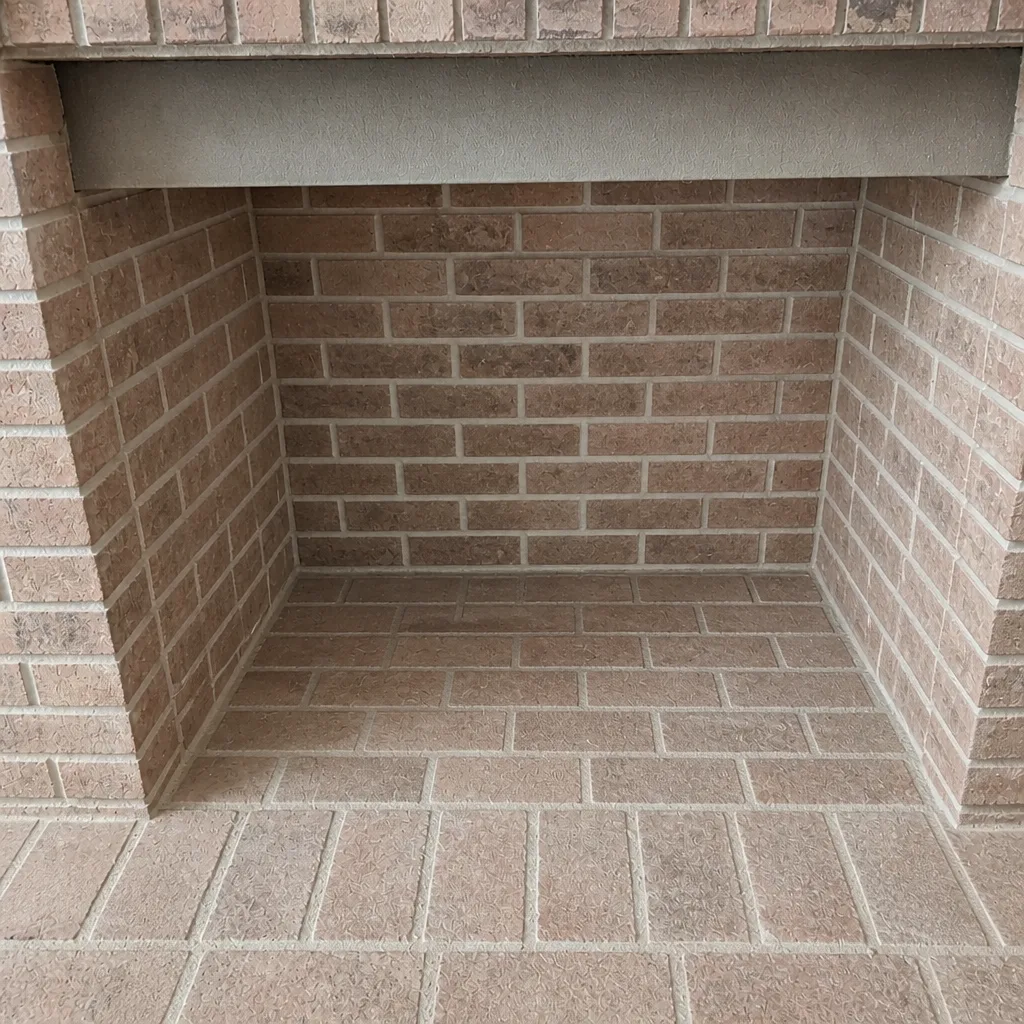 After
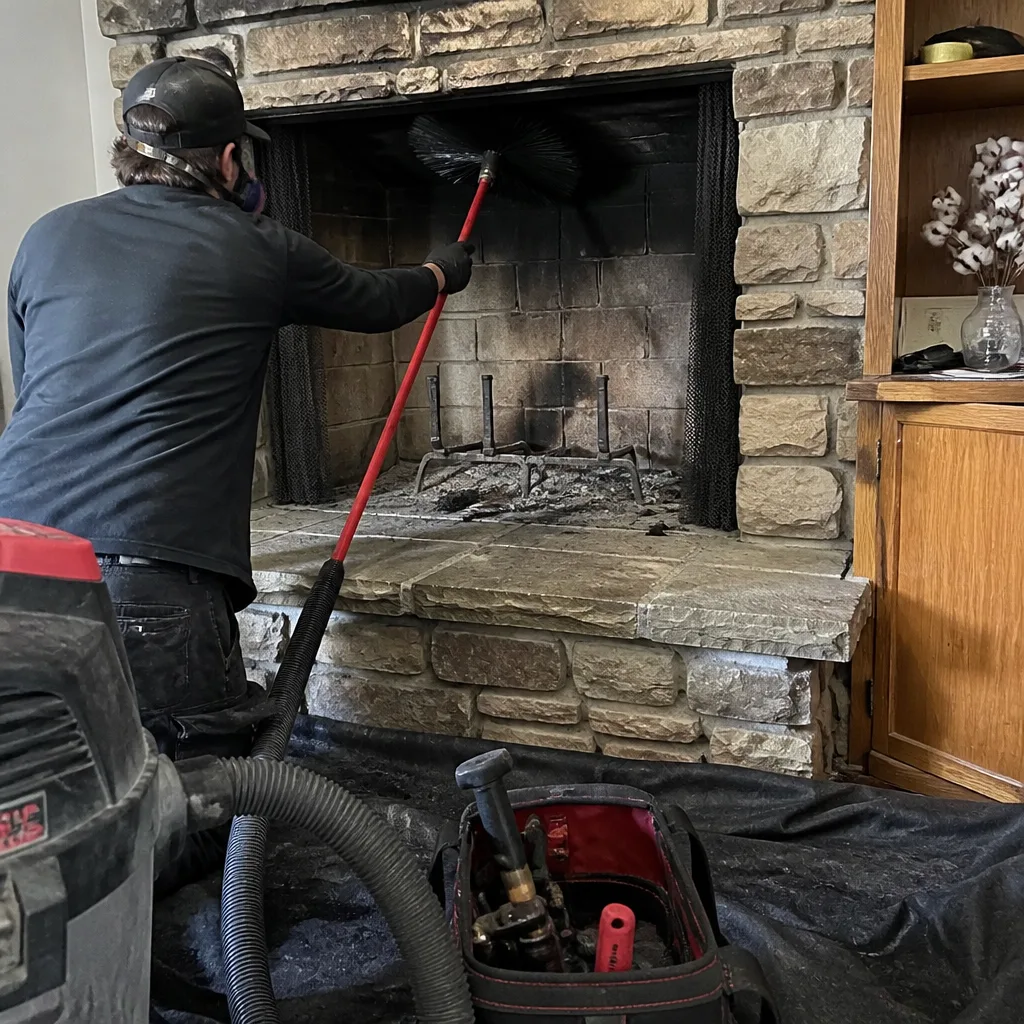 Before
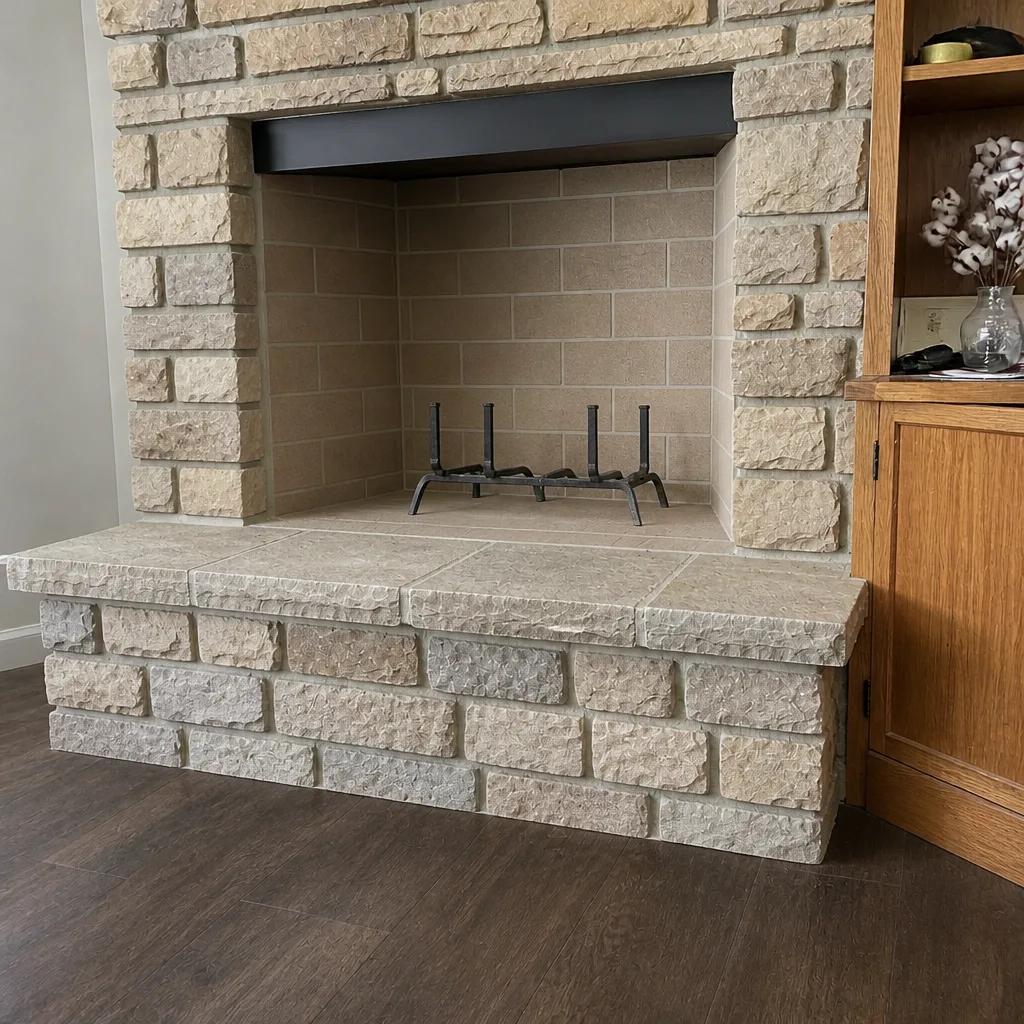 After
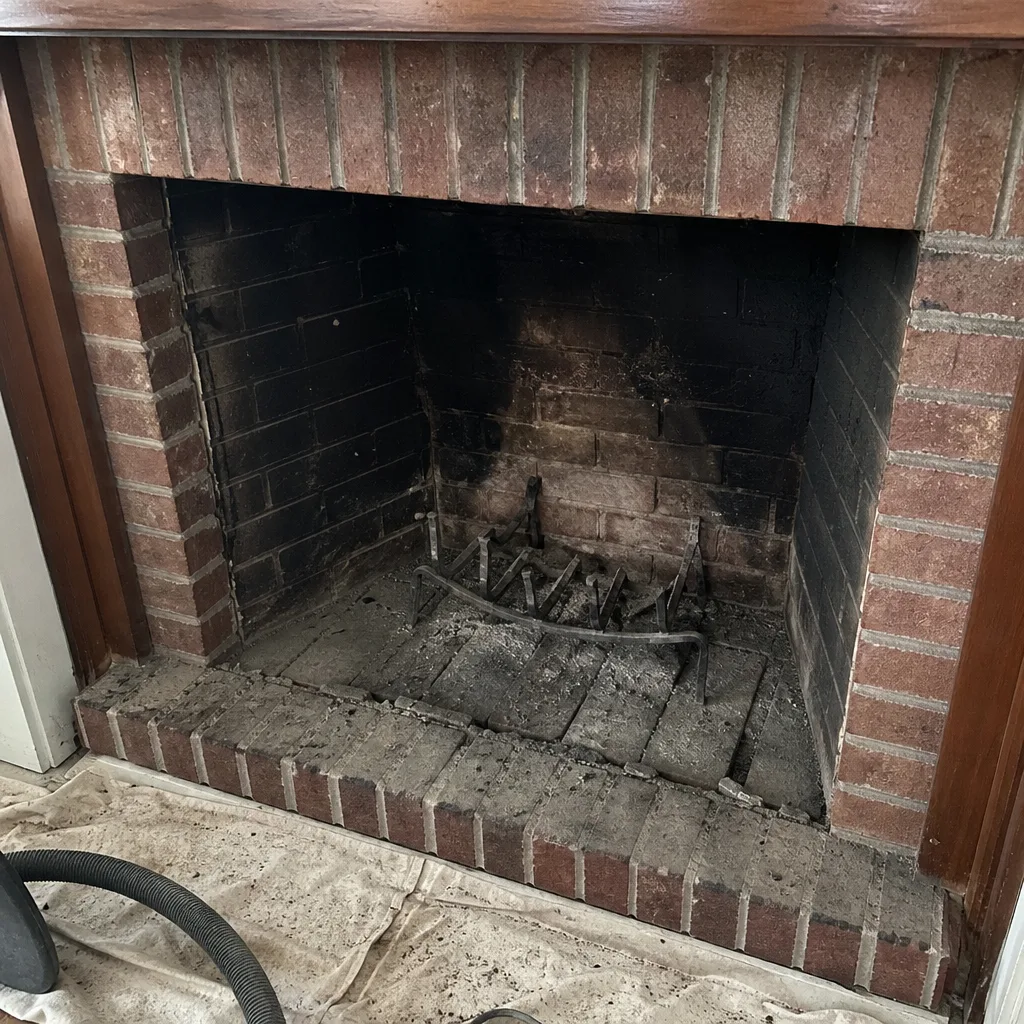 Before
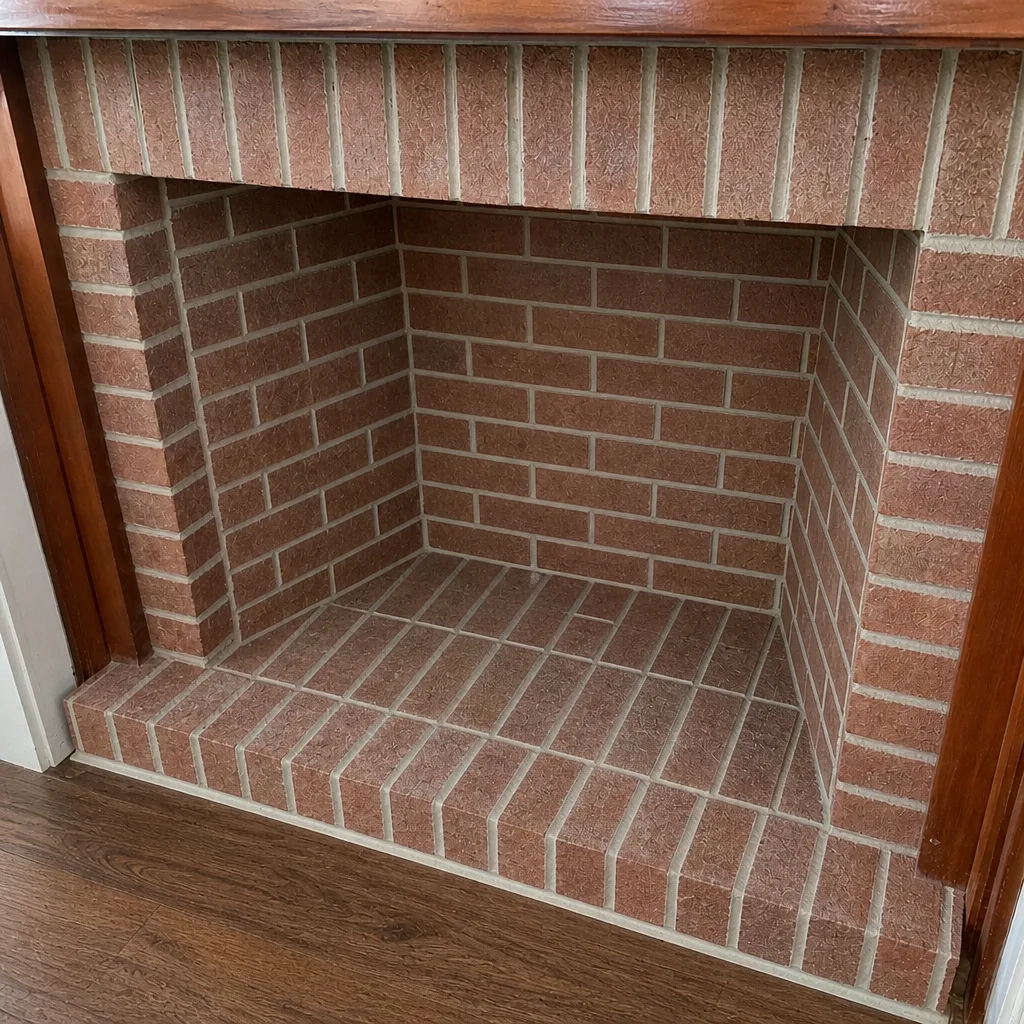 After
When to Call a Professional
Call a professional when the flue has never been inspected and you’ve burned wood in it. Call when you’re moving into a house with a fireplace and the seller has no service records. Call when you smell smoke in the house during a burn, when the fire smokes back into the room, when the damper is hard to operate, or when the cap or crown is visibly damaged. Call after any suspected chimney fire, quiet or not, before the next burn. Call if you use gas logs or an insert and can’t remember when the venting was last checked. Call if the insurance company asks for documentation and you don’t have any. Delmar Chimney Sweep offers free estimates in Fayetteville – call (855) 608-7738. We answer 24/7. Fast dispatch from 7am to 7pm, Sunday through Friday.
Frequently Asked Questions
Once a year for wood-burning fireplaces that get regular use, and once a year for occasional use too, since creosote builds over time regardless. The inspection is annual, and if the inspection shows heavy deposit the flue gets swept then. If you burn a lot and the flue deposits quickly, the sweep may be needed more often, and the inspection report will tell you what schedule fits the actual deposit rate.
Not always. A flue with minor surface damage can often be restored with HeatShield ceramic resurfacing rather than a full relining, and that’s the reason we use it. A flue with cracked tiles, gaps, or a compromised liner needs a new liner, and our team installs DuraFlex flexible liner systems for that. The camera is what decides between the two, and you should see the images before you agree to either.
Yes. A low-air chimney fire can burn quietly and go out on its own without any obvious sign inside the house. The evidence shows up later, during a sweep, as puffy creosote, warped hardware, cracked tiles, or heat staining. That’s why the annual inspection matters even when nothing seems wrong.
Open the damper fully if it isn’t already, confirm the flue isn’t blocked, and stop using the fireplace until it’s inspected. Smoke in the house means gases aren’t leaving the way they should, and that’s a venting problem rather than a small annoyance. Get the flue looked at before the next burn. Call (855) 608-7738 for an inspection in Fayetteville.
Yes, annually, and specifically for the venting path. There’s no creosote to remove, but the flue can be obstructed, the tiles can crack, and the liner can fail, all of which send carbon monoxide into the house instead of out of it. The inspection confirms the flue is intact and correctly sized for the appliance.
At Delmar Chimney Sweep, our chimney inspection service is a standalone, documented visit with a written report and photos suitable for insurance carriers, real-estate transactions, and annual safety compliance. It’s not tied to a repair or a sweep. Call (855) 608-7738 for a free estimate, and if you’re new to the area, our Fayetteville page covers how we work in the city. For more about the company, see Delmar Chimney Sweep.
The Bottom Line
Chimney fire preparedness is a fall maintenance program with a written record, not a set of instructions for the night of the event. The houses at risk in Fayetteville aren’t the neglected ones. They’re houses where the fireplace gets used now and then, the flue hasn’t been inspected, the alarms haven’t been tested, and nobody has thought about the first ten minutes because nothing has ever gone wrong. Close those gaps before the first burn: a sweep, an inspection with a report you keep, working alarms, and a plan everyone in the house knows. Our technicians have up to experience, and we source from trade-grade brands like Famco, Copperfield, DuraFlex, and HeatShield because the material has to match the job. Call (855) 608-7738 for a free estimate. We answer 24/7. Fast dispatch from 7am to 7pm, Sunday through Friday, and we’re closed Saturday.
Written by the team at Delmar Chimney Sweep.