
Last updated November 15, 2026
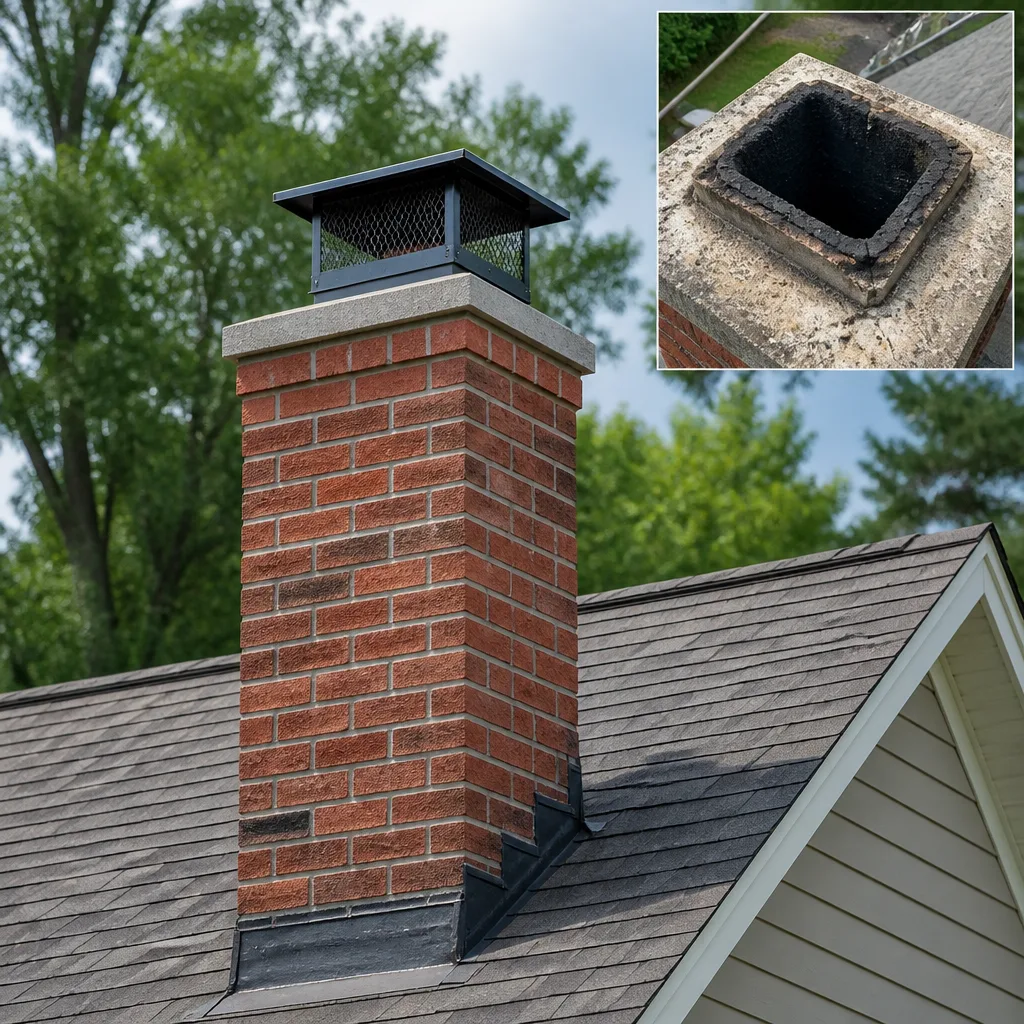 Sweep & inspection
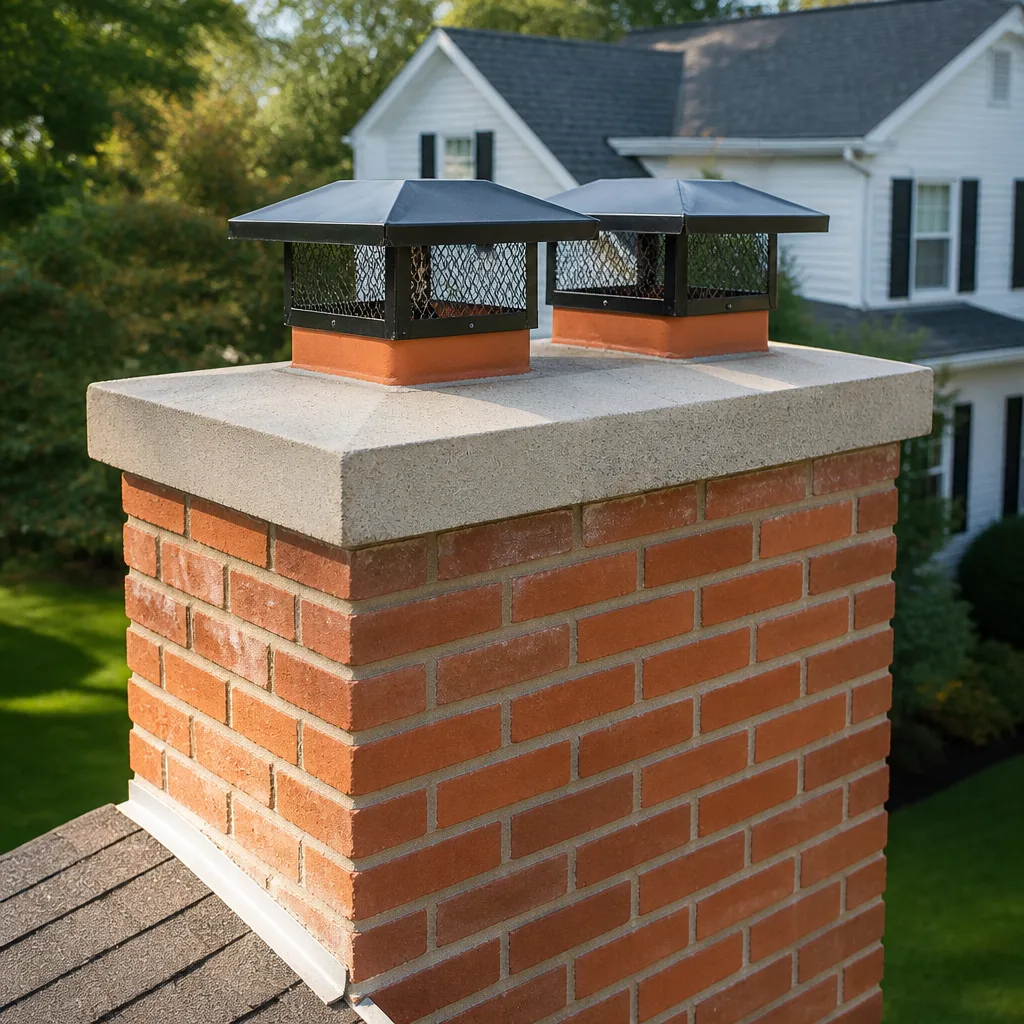 Caps & crowns
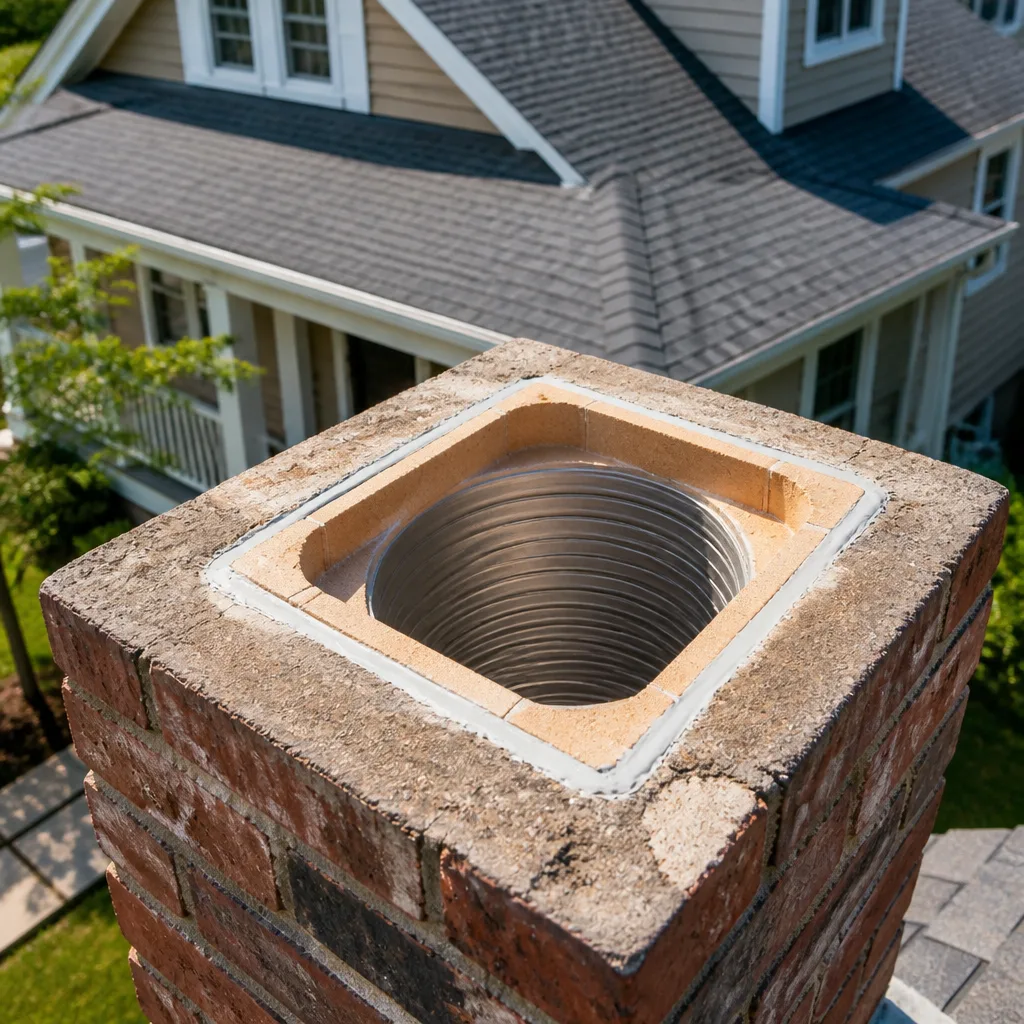 Flue relining
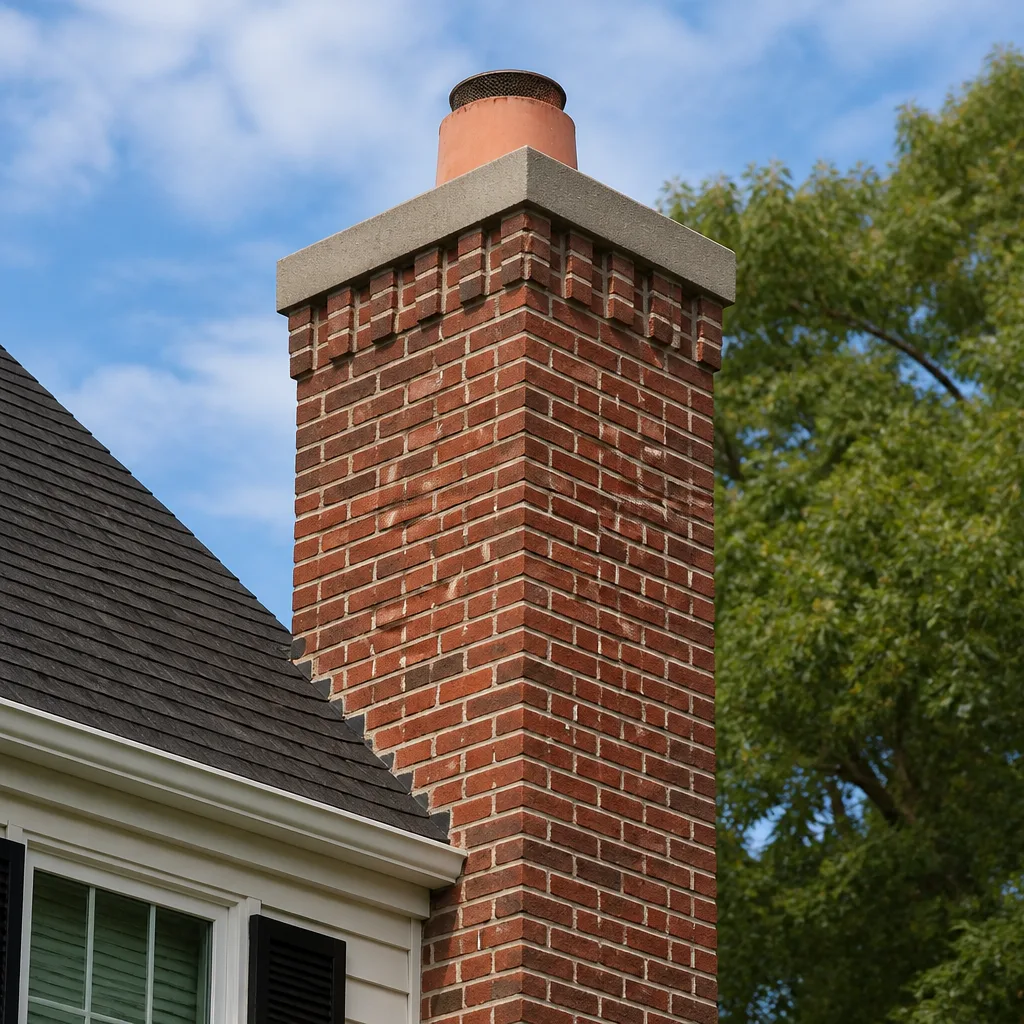 Masonry repair
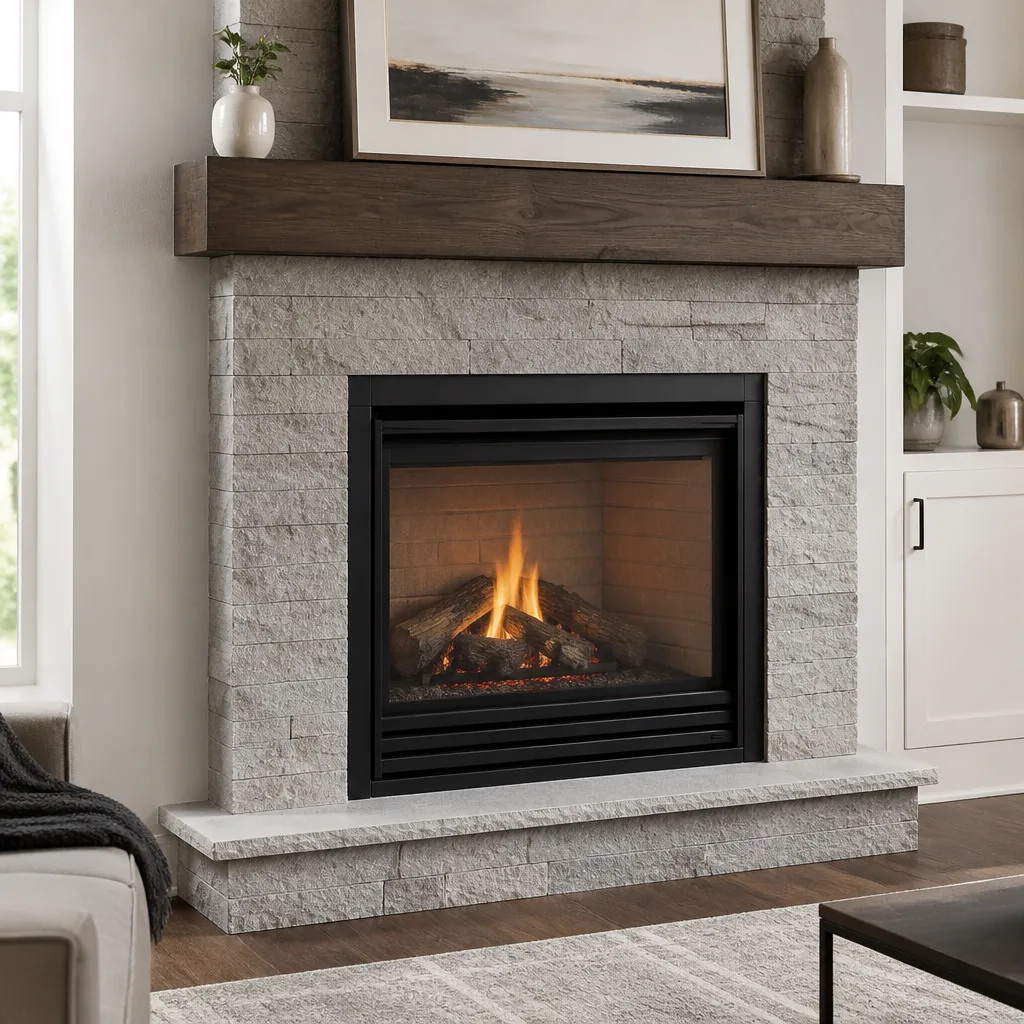 Gas fireplace service
Level 1 sweep and inspection to the NFPA 211 annual standard - flue, crown, cap, and flashing checked and photographed
Chimney sweep logs do not sweep chimneys. They loosen some creosote - which then falls where a brush and vacuum still have to collect it.
Choosing the Right Chimney Cleaning Brand: A Buyer’s Guide for Fayetteville
Most homeowners never ask what brand of liner goes into their chimney. They ask about price, and they ask how soon the work can happen. The brand decision gets made for them, quietly, by whoever shows up. That’s backwards, because the products a contractor specifies are the clearest signal of whether the job is built to professional standards or to whatever the hardware store had on the shelf. In a humid southeastern climate like ours, that difference shows up years later, when one flue is still sound and another needs opening up again. This guide covers the four product categories that matter most, how to ask about them without sounding adversarial, and why the answers should raise or lower your confidence before any work starts in Fayetteville.
Quick Answer
The right chimney brand is the one a contractor can name, explain the reason for, and show on the invoice. Professional-grade flexible liners, caps, crown sealants, and firebox mortars come from a defined roster of trade suppliers, and a contractor who works from that roster is sourcing to standards that certified installation requires. Brand names matter less as logos than as evidence: they tell you the repair was specified, not improvised.
Styles & brands we work with
- Sweep & inspection
- Caps & crowns
- Flue relining
- Masonry repair
- Gas fireplace service
Table of Contents
- The Four Product Categories That Actually Matter
- Professional-Grade Brands vs. Big-Box Store Products
- How to Ask a Contractor About Material Sourcing
- Why Liner Brand Matters in Fayetteville’s Climate
- Material Specification and Warranty Validity
- Sweep, Repair, and Inspection as Three Separate Answers
- What a Material-First Assessment Looks Like On Site
- Common Mistakes to Avoid
- When to Call a Professional
The Four Product Categories That Actually Matter
Not every product that touches a chimney carries the same weight. Four categories do most of the structural work, and each one has a different failure mode when the wrong material gets used. If you only learn four brand families in this trade, learn these.
Flexible liner systems. This is the one that matters most. A stainless liner is the flue’s actual vent path, and it’s the component that either holds up to heat and condensate or doesn’t. For retrofits in older masonry chimneys with offsets or unusual geometry, flexible systems are the professional standard because rigid sections physically will not pass. DuraFlex is the name that comes up most often for those jobs.
Chimney caps. A cap keeps water, animals, and debris out of the flue. Copperfield caps are built from heavier stock than the stamped steel versions sold at hardware stores, and that difference matters most at the seams and mounting points, where thin metal fatigues first.
Crown sealants. The crown is the concrete top of the chimney, and hairline cracks in it are one of the most common paths for water intrusion. Sealants formulated for crown work stay flexible through freeze-thaw movement instead of going brittle and re-cracking within a season or two. Gelco products are common in this category among contractors who do crown work regularly.
Firebox repair mortars. The firebox takes direct flame and the most extreme heat cycling of any part of the system. Mortar formulated for firebox use holds at temperatures that turn ordinary masonry mortar to powder. This is not a place where a generic bag of mix is a reasonable substitute.
We work from an intentional roster of trade-grade suppliers in all four categories: DuraFlex, HeatShield, Gelco, Olympia Chimney, Famco, and Copperfield. That roster isn’t a marketing list. It’s the set of materials we can specify, install correctly, and stand behind.
Professional-Grade Brands vs. Big-Box Store Products
The hardware store sells chimney products. That’s the honest starting point. What it doesn’t sell is the specification behind them, and in this trade the specification is most of the value.
A flexible liner from a professional supply house arrives with a defined alloy, wall thickness, and listed application. The manufacturer has tested it for a stated use and will honor a warranty on that basis, provided the installation follows the approved method by an approved installer. A hardware-store liner kit is often thinner, uses an unspecified alloy, and comes with no meaningful listing for the flue it’s going into. It may work in a light-duty application. It is not the same product.
The gap shows up structurally in a few predictable ways:
- Wall thickness and alloy. Professional liners specify both. Discount kits often state neither, or state a thickness that won’t survive long exposure to flue condensate.
- Joint and seam construction. Flexible liners are joined and terminated at the top and bottom. Cheap terminations are where leaks begin, and a leak at the top plate sends water straight down the outside of the liner.
- Cap gauge and fasteners. Thin caps deform at the mounting flange, which opens a gap. Heavy-gauge caps from brands like Copperfield hold their shape and their seal.
- Mortar chemistry. Firebox mortar is a formulated product, not a generic mix. The difference is the binder and the aggregate, and it decides whether the repair lasts or crumbles.
- Documentation. Professional materials come with listings and installation instructions. That paperwork is what an inspector or an insurance carrier can actually read.
HeatShield sits in a slightly different category. It’s a ceramic resurfacing product used to restore a damaged flue from the inside, and it’s the documented alternative to tearing out and relining when the flue’s structure qualifies. That distinction matters for homeowners facing a four-figure liner quote they never expected.
How to Ask a Contractor About Material Sourcing
You don’t need to sound like an inspector to get a useful answer. You need three or four plain questions, asked once, and then you need to listen to how the answer comes back. A contractor who knows their materials will answer without hesitating. One who doesn’t will get vague, and vague is the answer.
Here’s a sequence that works:
- Ask what brand of liner they’d use and why. “What brand, and what’s the reason for that one?” is enough. A confident answer names the product and gives a technical reason: the flue’s geometry, the fuel type, the appliance’s venting requirements.
- Ask whether the material is listed for the application. Every professional liner is listed for a specific use. If the answer is “it’s all the same stuff,” that’s a signal.
- Ask what happens to the old liner and whether the new one’s installation method is the manufacturer’s approved one. Approved installation is what keeps a warranty valid, and it’s a fair question to ask directly.
- Ask for the brand names on the written estimate. Not a verbal promise. On the estimate. A contractor sourcing to professional standards has no trouble putting product names in writing.
- Ask what they’d recommend if the flue turns out not to need the work. The answer to this one tells you more than the other four combined. “Then we won’t do it” is the right answer.
What should lower your confidence: refusing to name a brand, describing all products as equivalent, quoting a liner price before anyone has looked inside the flue, or answering a material question with a safety speech. What should raise it: naming specific products, connecting the product choice to what’s actually in your chimney, and volunteering that some work can wait.
Why Liner Brand Matters in Fayetteville’s Climate
Fayetteville’s climate does two things to a chimney that a drier climate doesn’t. It cycles the flue through repeated heating and cooling, and it keeps ambient humidity high enough that moisture sits on metal and masonry long after a fire has gone out. Both of those pressures land hardest on the liner.
Thermal cycling is the expansion and contraction of the liner every time the fireplace is used and every time it cools. Over a season, that’s a lot of movement. A liner with a specified alloy and adequate wall thickness is designed for it. A thin liner flexes more, work-hardens faster, and develops the kind of failure that only shows up when someone runs a camera down the flue.
Humidity is the slower problem. Flue gases carry water vapor, and when they condense on a cool liner they leave an acidic residue that attacks stainless steel. In a humid climate the liner spends more of the year at risk. Creosote buildup compounds it, because creosote holds moisture against the metal. This is one reason a chimney sweep on a regular schedule is about protecting the liner as much as preventing a flue fire.
It’s also why resurfacing deserves a fair hearing before relining does. HeatShield ceramic resurfacing restores a damaged flue from the inside and extends the chimney’s life without a full tear-out when the flue qualifies. In a climate where the masonry itself is under constant moisture pressure, keeping the original structure sound is often the better outcome, and it’s less expensive.
Older masonry chimneys around Fayetteville also tend to have offsets and irregular geometry that rigid liners can’t navigate. DuraFlex flexible systems exist for exactly those flues, and specifying one is a technical decision, not a preference.
Material Specification and Warranty Validity
Here’s the part most homeowners learn too late: a manufacturer’s warranty on a liner or a cap generally requires installation by an approved installer, using the manufacturer’s approved components, following the manufacturer’s approved method. Meet those conditions and the coverage is real. Miss any one of them and the warranty is a piece of paper.
The practical consequence is that material choice and installation method are a package. A contractor who specifies a professional-grade liner but installs it with unapproved termination components has voided the coverage on the part that matters. A contractor who uses an unlisted liner has nothing to warrant in the first place.
This is why we don’t treat the brand roster as a shopping preference. DuraFlex, HeatShield, Gelco, Olympia Chimney, Famco, and Copperfield are suppliers whose products come with defined installation requirements and whose warranties depend on those requirements being followed. When we specify a DuraFlex system for an offset flue, we install it the way the manufacturer requires, because that’s what makes the warranty mean something.
Ask your contractor two warranty questions before work begins: what manufacturer warranty covers this product, and what conditions does the manufacturer place on that coverage? Then ask whether the installation being proposed meets them. A contractor sourcing to professional standards answers all three without needing to look anything up.
Sweep, Repair, and Inspection as Three Separate Answers
A chimney problem doesn’t arrive labeled. It might be a creosote issue, it might be a cracked crown letting water in, and it might be a flue that needs relining. Sorting those apart is the actual job, and it goes better when each service is scoped on its own terms instead of bundled into one price.
We keep our services separate for a reason.
- Sweeping removes creosote and debris. It’s a maintenance service, and it’s the one that should happen on a schedule regardless of what else is going on.
- Repair addresses what the inspection found. Sometimes that’s a cap, sometimes a crown, sometimes resurfacing, and sometimes a liner.
- Inspection is documentation. It’s a standalone service with a report at the end, and it’s not a gateway to a sales pitch.
That last point matters more than it sounds. An inspection should give you a document, not just an opinion. If you’re selling a house in Fayetteville, buying one, or satisfying an insurance carrier, you need the report itself, with what was examined, what was found, and photographs of the flue interior. We produce inspection documentation suitable for insurance carriers and real-estate transactions, and the report stands on its own whether or not any repair work follows.
Single-company accountability is the other half of keeping these separate. The trade that inspects is the trade that repairs, so there’s no gap where one contractor points at another’s work. You can read more about how we scope each service on our Delmar Chimney Sweep page.
What a Material-First Assessment Looks Like On Site
An assessment that starts with the material question looks different from one that starts with the sales pitch. Here’s the sequence, in order.
- Camera inspection first. A camera goes down the flue before anyone quotes anything. Creosote level, liner condition, crown condition, and the firebox all get looked at, and you see the images.
- Findings, stated plainly. What’s damaged, what’s sound, and what can wait. Work that can safely be postponed gets named as such.
- Options, not a single number. Where resurfacing is a valid alternative to relining, both come up. Where DuraFlex is the only system that will pass an offset, that gets explained.
- Material specification in the estimate. Brand names, product types, and the installation method, in writing, with a price per job attached to it.
- The written estimate sets the price. Our estimates are free, and the written estimate is what the final price follows. No fees added after the fact.
Our technicians have up to experience, and none of that experience changes the fundamental rule: sweep first, assess honestly, repair only what the flue actually needs.
Neighborhood Context: How Chimney Stock Varies Around Fayetteville
Chimney construction in Fayetteville isn’t uniform, and the material question lands differently depending on what’s on the roof. Older masonry chimneys in and around the Haymount area tend toward unlined or clay-tile flues that may not meet current venting requirements, which pushes the conversation toward resurfacing or a flexible liner retrofit. Homes in neighborhoods like Terry Sanford and the neighborhoods around the Cape Fear River often have the offset flues that flexible systems handle better than rigid sections.
Newer construction on the outer edges of town usually has a factory-built or pre-fabricated system, where the liner isn’t a stainless retrofit at all. It’s a listed component that has to be replaced with the same type, and specifying the right one matters just as much. Getting the category right before getting the brand right is the first step.
Our Fayetteville page covers what we typically see on local roofs, and the chimney repair page covers how those findings translate into work.
Common Mistakes to Avoid
- Accepting a liner quote before anyone has seen inside the flue. A price given over the phone is a guess dressed as an estimate. Camera inspection comes first, every time.
- Assuming all stainless liners are interchangeable. Alloy and wall thickness vary widely, and the cheapest option usually has neither documented. In Fayetteville’s humidity, that gap decides how long the liner lasts.
- Letting a contractor bundle sweep, repair, and inspection into one line item. Bundling hides what’s being done and what’s being charged, and it removes your ability to say yes to one service and no to another.
- Skipping the written estimate’s product details. If brand names and installation methods aren’t in the document, you have no way to check the warranty later. Ask for them before you sign.
- Replacing a cap with the stamped-steel version from the hardware store. It will fit and it will look fine. It will also deform at the fasteners within a few seasons and open a gap over the flue.
- Opting for a full reline when resurfacing would do. HeatShield exists to restore a qualifying flue without tearing the chimney out. If nobody has offered it as an option, ask why.
- Treating an inspection report as paperwork rather than information. The camera images tell you what condition your chimney is actually in. Read them, and ask questions about anything you don’t understand.
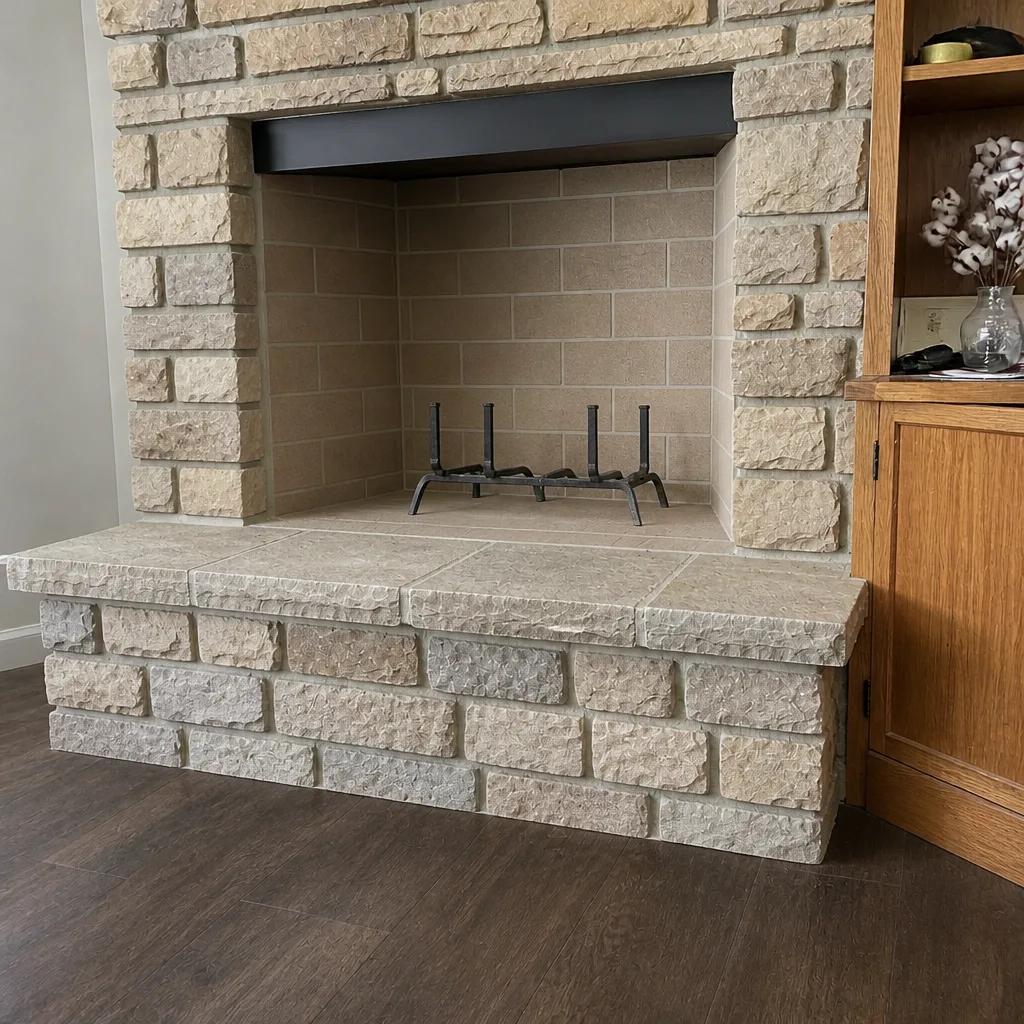
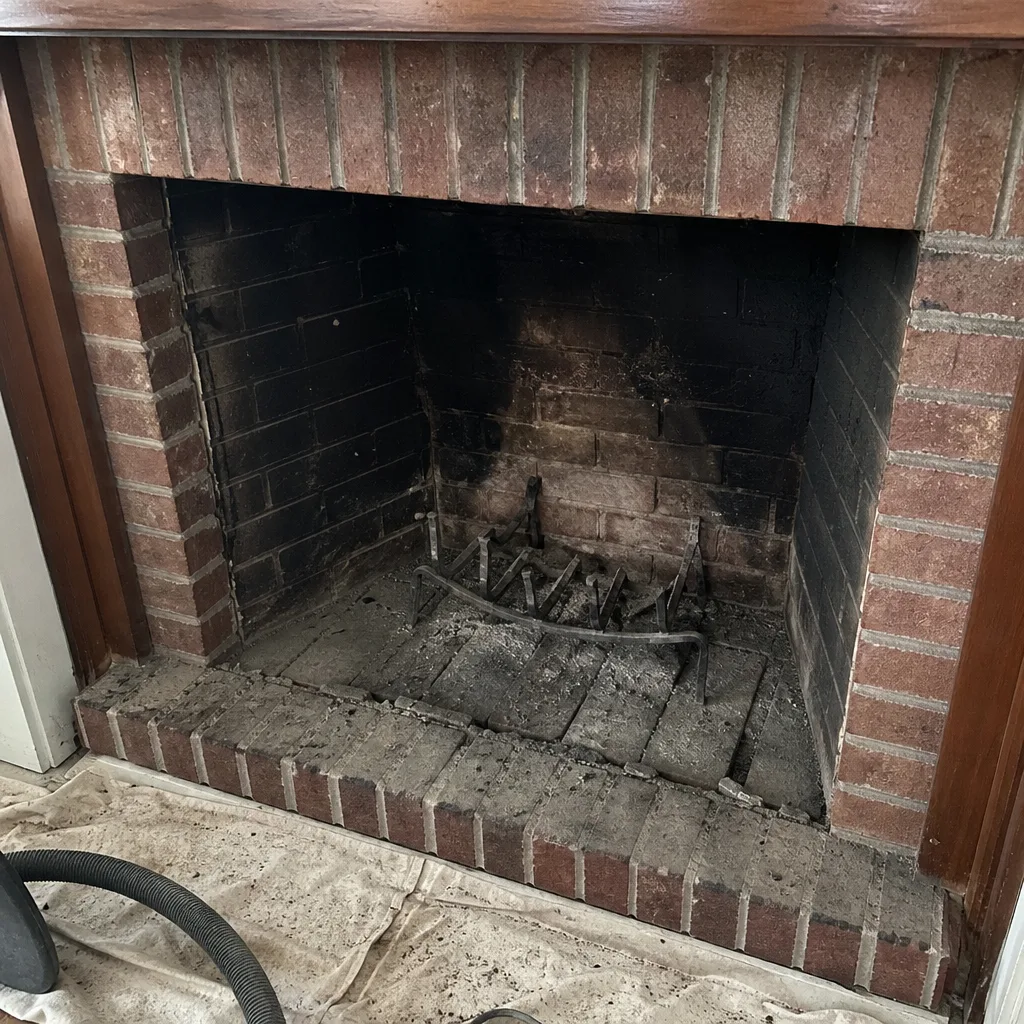
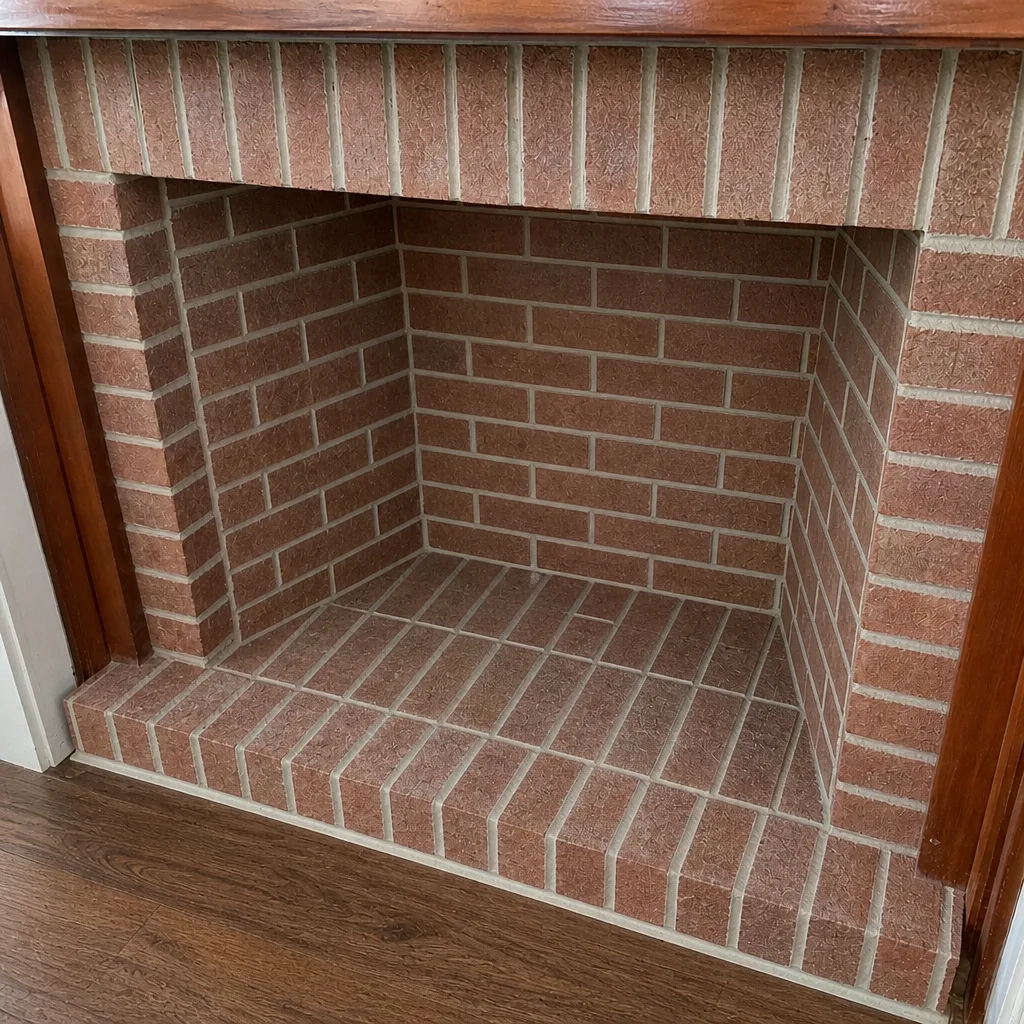
See the difference
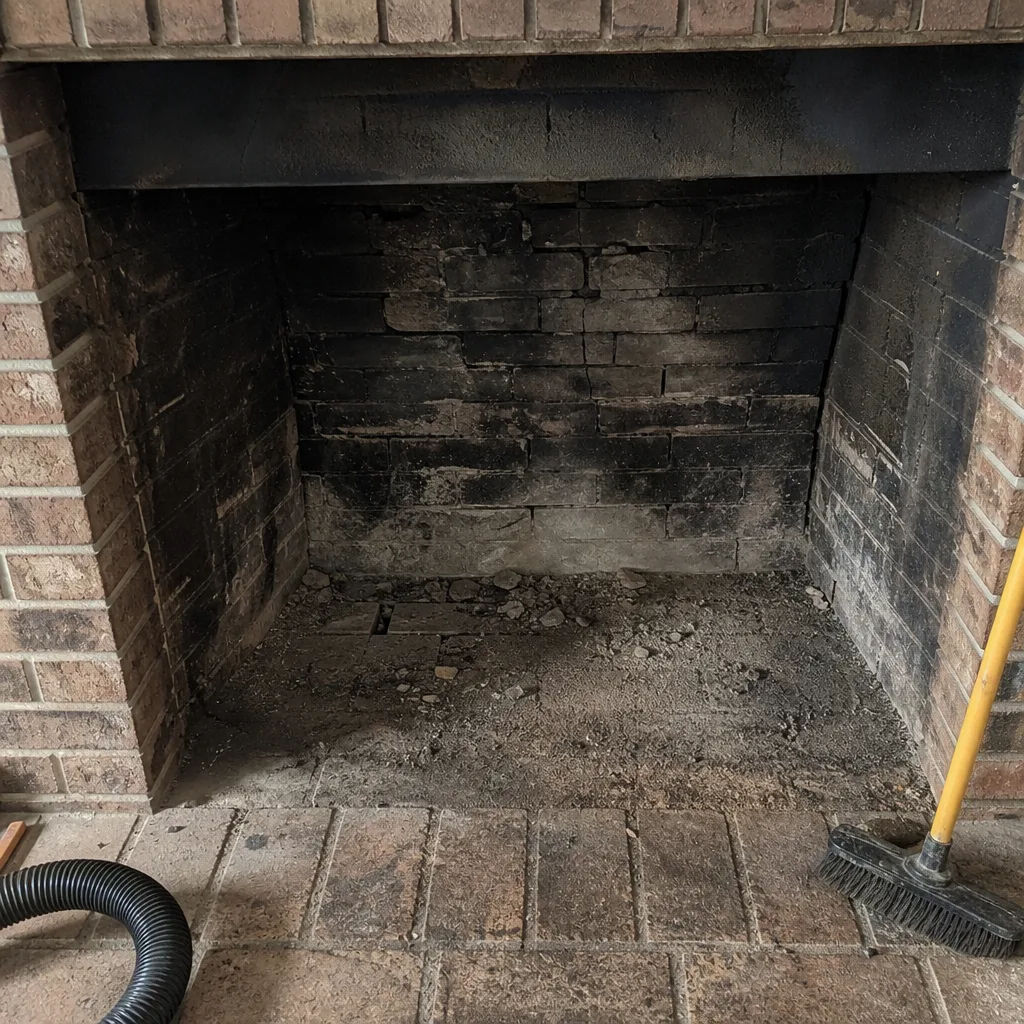 Before
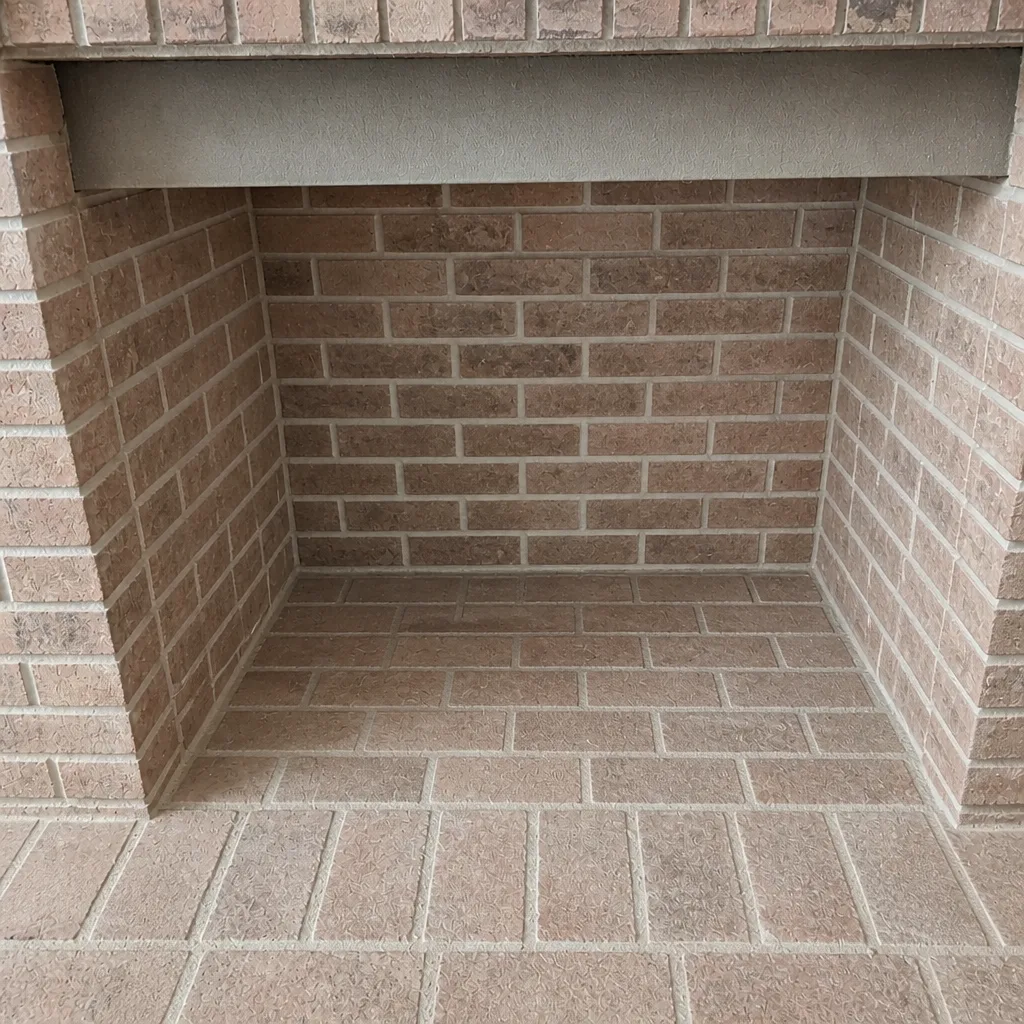 After
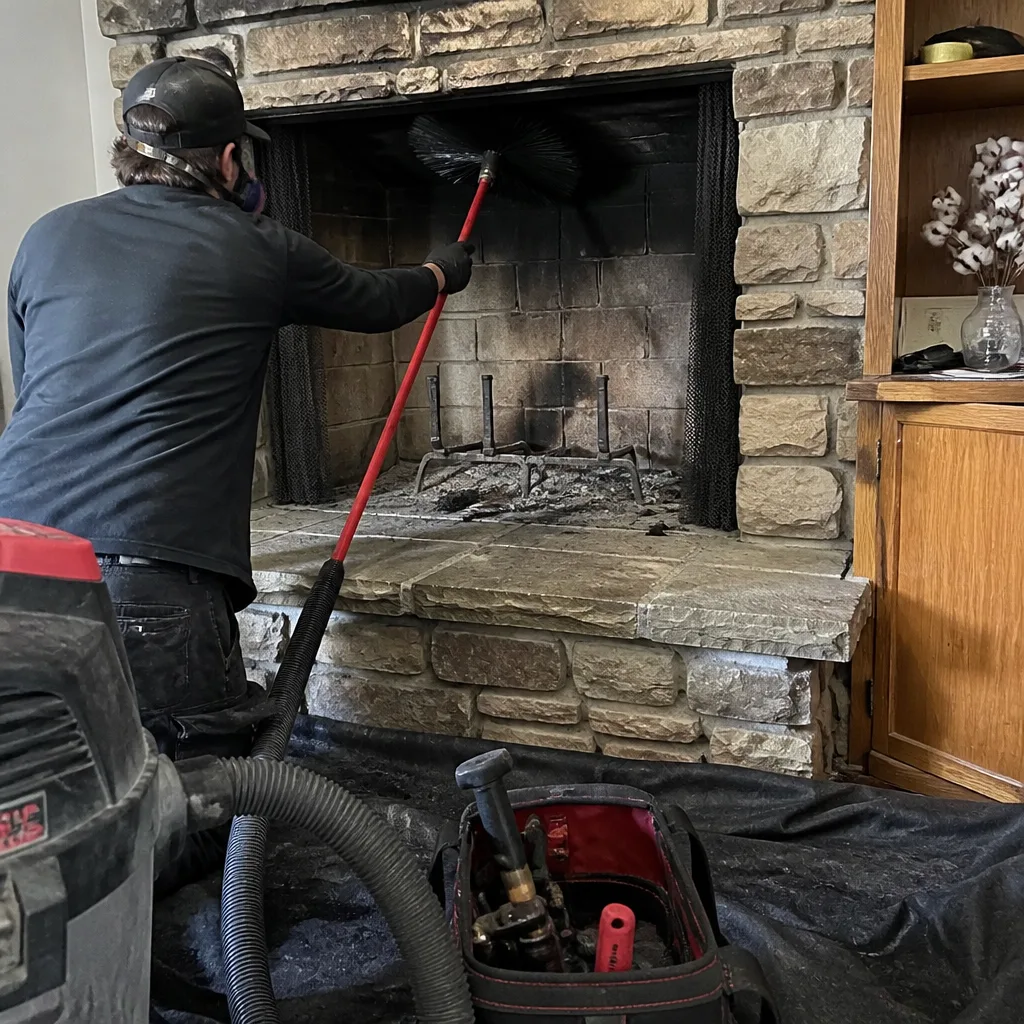 Before
 After
 Before
 After
When to Call a Professional
Some chimney work isn’t a judgment call. A flue that has never been evaluated, creosote that has built up past a light coating, a crown with visible cracks, or a firebox where the mortar is crumbling all warrant a professional assessment. If you’re buying or selling a house in Fayetteville and need the chimney cleared before closing, that’s an inspection, and it produces a document you can hand to the other side. If your insurer has asked for documentation, the same service covers it. High-tension components, gas appliance connections, and structural masonry are not homeowner jobs, and a real professional will tell you so rather than walk you through something dangerous over the phone.
Delmar Chimney Sweep offers free estimates in Fayetteville. Call (855) 608-7738 – we answer 24/7, with fast dispatch from 7am to 7pm, Sunday through Friday.
Frequently Asked Questions
For an offset or irregular masonry flue, ask about DuraFlex flexible liner systems, and for a flue with surface damage that may qualify, ask whether HeatShield resurfacing is an option. The right answer depends on what’s actually in your chimney, so ask what brand and what reason, and expect a technical answer, not a brand slogan. Call (855) 608-7738 for an exact quote – estimates are free.
They name the products and explain why those specific ones fit your flue. A contractor sourcing to professional standards will put brand names, product types, and the installation method on the written estimate without being pushed. Vague answers, or a claim that all products are equivalent, are the signal to ask more questions. Call (855) 608-7738 for an exact quote – estimates are free.
Because humidity and thermal cycling put more stress on the liner here. Flue condensate stays on the metal longer, and repeated heating and cooling works the material harder. A liner with specified alloy and wall thickness is engineered for that load. A thinner, unspecified one isn’t. Call (855) 608-7738 for an exact quote – estimates are free.
Only if the camera shows the flue’s condition requires it. Resurfacing with HeatShield is a documented alternative for qualifying damaged flues and it costs less than a full reline. Nothing should be recommended without camera evidence you can see yourself, and if the flue is sound, the honest answer is that it can wait. Call (855) 608-7738 for an exact quote – estimates are free.
Only if the installation follows the manufacturer’s approved method using their approved components. Most manufacturer warranties are conditioned on certified installation, which is why the material and the method have to be specified together. Ask what the warranty requires, then ask whether the proposed installation meets it. Call (855) 608-7738 for an exact quote – estimates are free.
Creosote accumulates, and the risk of a flue fire climbs with it. In Fayetteville’s humidity, that same buildup holds moisture against the liner and speeds up corrosion. Skipping maintenance doesn’t save money; it moves the cost to a repair later. Call (855) 608-7738 for an exact quote – estimates are free.
The Bottom Line
The brand of liner, cap, sealant, or mortar in your chimney is a proxy for something simpler: whether the work was specified or improvised. Ask four questions before any repair begins. What brand, why that one, is it listed for this application, and what does the manufacturer require for the warranty to hold. Then ask whether the work can wait, and listen to the answer. A contractor working from a professional roster answers all of that plainly and puts it in writing. That’s the standard worth holding in Fayetteville, and it’s cheaper than finding out later.
Call (855) 608-7738 for a free estimate. We answer 24/7. Fast dispatch from 7am to 7pm, Sunday through Friday.
Written by the team at Delmar Chimney Sweep.